
Pruning
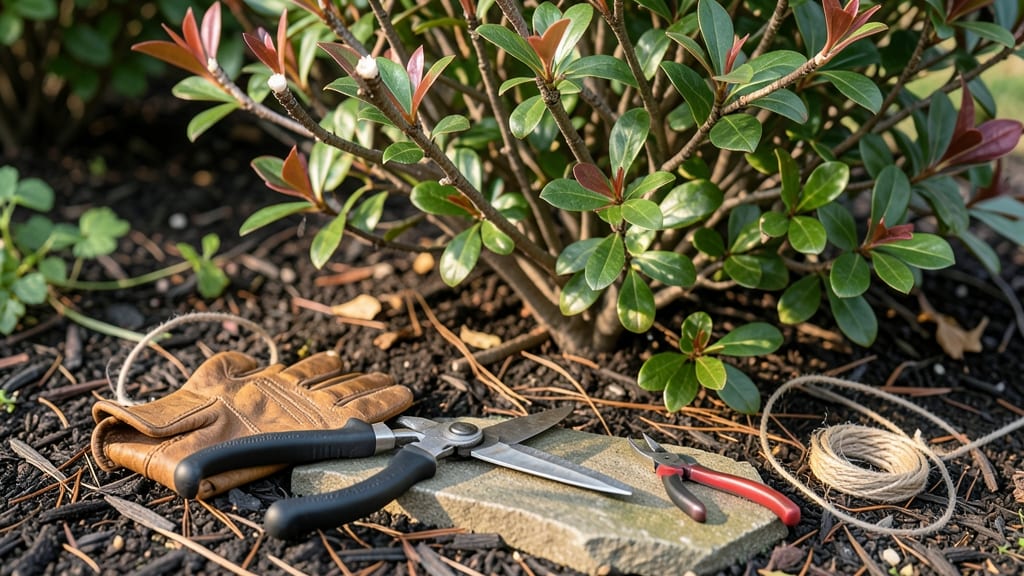
Pruning euonymus plants transforms tangled messes into neat, vibrant shrubs—the difference between a wild thicket and a showstopping garden centerpiece. ✂️ I’ve spent years pruning these tough, adaptable plants, and the right cuts make all the difference, whether you’re shaping ornamental varieties or reviving overgrown growth.
The best time to prune is late winter or early spring, before new growth begins. You’ll need sharp pruners, gloves, and a clear vision—euonymus responds well to bold cuts, but timing and technique prevent unsightly stubs or dieback.
For ornamental varieties, focus on opening the canopy to let light reach inner branches. You’ll end up with a plant that looks intentionally sculpted, not hacked.
The key is cutting just above outward-facing buds to encourage fuller growth, and avoiding heavy pruning in fall, which can stress the plant before winter. Even neglected euonymus can bounce back with the right approach. Works for both boxwood-like varieties and sprawling types—just adjust the cuts to your goal.
Let’s get those branches looking intentional!
📚 In This Guide
- What you need
- Instructions
- Tips and common mistakes
- Wrapping up and next steps
What you need
- ● Pruning shears: Bypass pruners (for clean cuts on smaller stems, ¼"–½" thick)
- ● Loppers: Bypass or anvil type (for thicker branches, ½"–1½" diameter)
- ● Pruning saw: Curved-tooth saw (for branches 1½"–3" thick)
- ● Disinfectant: 70% isopropyl alcohol or rubbing alcohol (to sterilize tools between cuts)
- ● Garden gloves: Heavy-duty, cut-resistant (for protection and grip)
- ● Rag or paper towels: For wiping tools and cleaning sap
- ○ Marking twine or tape: (Optional) To flag branches for removal
- ● Hand pruners with ratchet: For larger pruning tasks (reduces hand fatigue)
- ● Extension pole pruners: If your Euonymus is tall or bushy
- ● Pruning sealant: (For large cuts >1" diameter) To prevent disease entry
- ● Sharpener: File or stone (to maintain tool sharpness)
- ● Wheelbarrow or bucket: For collecting pruned branches
Step-by-step guide to pruning euonymus for healthier growth
Euonymus thrives when you prune strategically—here’s my method for shaping it without stressing the plant.
✂️ Step 1: Time Your Pruning for Optimal Growth
Prune euonymus in early spring before new growth begins, or late winter when the plant is still dormant. This timing lets you shape the plant without encouraging late-season growth that won’t harden off before frost. Avoid pruning in fall—new growth won’t mature before winter, leaving tender stems vulnerable to cold damage.
If you must prune in summer, do it early (June at the latest) and avoid heavy cuts. Summer pruning can stress the plant, especially in hot climates, and may lead to sunburn on exposed branches. Watch for new leaf buds—when they’re just starting to swell, that’s your cue to begin.
✂️ Step 2: Gather the Right Tools for Clean Cuts
Use sharp, sterilized pruning shears (not regular scissors) to make clean cuts at a 45-degree angle, about ¼ inch above a outward-facing bud. Dull tools crush stems, slowing healing and inviting disease. Wipe blades with 70% isopropyl alcohol before and after pruning to prevent spreading pathogens like fire blight.
For thicker branches (over ½ inch in diameter), switch to loppers or a pruning saw—never use hedge trimmers on euonymus. These tools tear bark and leave jagged edges that rot. Keep a small bucket of soapy water nearby to dispose of clippings safely (they can harbor pests).
✂️ Step 3: Remove Dead, Diseased, or Crossing Branches First
Start by thinning out any dead, diseased, or crossing branches—these compete for energy and weaken the plant. Cut back to the main stem or collar (the swollen area where the branch meets the trunk) for a smooth recovery. If a branch is hollow or blackened, remove the entire stem down to healthy tissue.
Look for water sprouts (fast-growing, vertical shoots) and suckers (shoots at the base)—these drain energy from the plant. Snip them at the base with clean cuts. You’ll notice the plant’s structure opens up immediately, allowing better airflow and sunlight penetration. This step prevents future issues like fungal infections.
✂️ Step 4: Shape the Canopy for Balance and Airflow
Step back and visualize the plant’s natural shape—euonymus grows best with a rounded, layered canopy. Start at the outer edges and work inward, cutting back overgrown branches by ⅓ to encourage bushier growth. Avoid "lion’s tailing" (shearing into a flat top), which weakens the plant and invites pests.
Focus on opening the center by removing branches that grow inward. You’ll see new side shoots emerge within 4-6 weeks as the plant responds to the pruning. For formal hedges, use a handheld hedge trimmer (not power tools) to maintain even lines, but leave some natural texture to prevent stress.
🌿 Step 5: Clean Up and Monitor for Recovery
After pruning, remove all clippings from the area to reduce pest and disease risks. Dispose of them in a sealed bag or burn pile (check local regulations). Water the base of the plant deeply to help it recover, but avoid wetting the cuts—this can slow healing. You’ll notice new growth within 2-3 weeks if the pruning was done correctly.
Keep an eye out for yellowing leaves or stunted growth—these can signal over-pruning or stress. If you see blackened edges on new leaves, reduce watering slightly and ensure the plant gets at least 6 hours of sunlight daily. Euonymus is hardy, but proper aftercare ensures it stays vibrant for years.
Tips & tricks for perfect euonymus pruning
Here's what nobody tells you about pruning euonymus—these tricks will keep your plant thriving for years.
The Timing Secret: Early spring is your golden window because euonymus grows most vigorously then, but late winter works too if you catch it dormant. I learned this the hard way after pruning in fall and watching new growth freeze back. The key is watching for those swollen leaf buds—when they're just starting to plump up, that's your cue to begin. In summer, only prune early (June at the latest) and keep cuts minimal to avoid stressing the plant.
Tool Intelligence: Sharp tools aren't just about clean cuts—they're about plant health. I always sterilize my pruning shears with 70% isopropyl alcohol before and after use, especially when dealing with diseased branches. For branches thicker than ½ inch, loppers or a pruning saw prevent the torn bark that hedge trimmers create. Pro tip: Keep a bucket of soapy water nearby to dispose of clippings immediately—they can harbor pests that might reinfect your plant.
Structural Strategy: When shaping the canopy in Step 4, focus on creating that natural rounded shape by cutting back overgrown branches by one-third. I always work from the outside in, which opens up the center for better airflow. The goal is to encourage bushier growth from those side shoots that emerge within 4-6 weeks. Remember: lion's tailing (shearing into a flat top) is the enemy—it stresses the plant and invites pests. For formal hedges, handheld trimmers work best, but always leave some natural texture to prevent stress.
Recovery Wisdom: After pruning, the cleanup is just as important as the cuts. Remove all clippings immediately to prevent disease spread, and water deeply at the base—but never wet the cuts themselves. I've seen pruned euonymus show new growth within just 2-3 weeks when done right. Watch for yellowing leaves or stunted growth as signs of over-pruning, and adjust your sunlight exposure (at least 6 hours daily) if you notice blackened leaf edges. The plant's hardy, but proper aftercare makes all the difference.
Pro Tips for Euonymus Plant Pruning
- Here's what nobody tells you about pruning euonymus—these tricks will keep your plant thriving for years.
- The Timing Secret: Early spring is your golden window because euonymus grows most vigorously then, but late winter works too if you catch it dormant.
- Tool Intelligence: Sharp tools aren't just about clean cuts—they're about plant health.
Frequently asked questions
Got questions about keeping your euonymus looking its best? Here are some of the most common concerns—and their answers—to help you prune with confidence!
When is the best time to prune euonymus?
The ideal time to prune euonymus is late winter or early spring (just before new growth begins). This helps shape the plant while minimizing stress. For light shaping, you can also prune in summer after flowering, but avoid heavy cuts then. Never prune in fall—it encourages tender new growth that won’t survive winter.
How much can I trim back my euonymus?
For most euonymus varieties, you can safely remove up to one-third of the plant’s total growth in a single pruning session. If your plant is overgrown, spread heavy pruning over 2–3 years to avoid shock. Never remove more than 30% in one go, especially for mature shrubs.
Why is my euonymus dying after pruning?
If your euonymus looks sad post-prune, it might be due to over-pruning, wrong timing, or disease exposure. Check for brown, mushy stems (sign of fungal issues) or excessive leaf drop (sign of stress). To recover, water deeply, avoid fertilizing for 4–6 weeks, and prune only healthy stems next time.
Can I propagate euonymus from pruned cuttings?
Euonymus roots easily from semi-hardwood cuttings (taken in late spring or summer). Dip 4–6 inch cuttings in rooting hormone, plant in perlite/sand mix, and keep moist. Rooting takes 4–8 weeks—place cuttings in bright, indirect light until established.
What’s the difference between pruning for shape vs. rejuvenation?
| Shaping Prune | Rejuvenation Prune |
|---|---|
| Light cuts to maintain form; done annually in late winter. | Heavy cuts to revive overgrown or leggy plants; done gradually over 2–3 years. |
| Focuses on outer growth to encourage bushiness. | Removes old wood (especially at the base) to stimulate new growth. |
Pro tip:
If your euonymus is woody at the base, rejuvenation pruning is key!
Wrapping up and next steps
Mastering euonymus plant pruning is your ticket to a thriving, lush canopy that stays healthy and vibrant year after year! 🌿 With the right tools, timing, and techniques—like thinning cuts for airflow and shaping cuts for structure—you’ll keep your euonymus looking its best while promoting stronger growth.
Whether you’re trimming for aesthetics or health, every snip is a step toward a neater, more resilient plant.
Ready to take the next step? Grab your pruners and start shaping that euonymus today! For extra confidence, revisit our FAQs or watch a quick pruning tutorial—your plant’s future starts with your first clean cut! ✂️