
Pruning
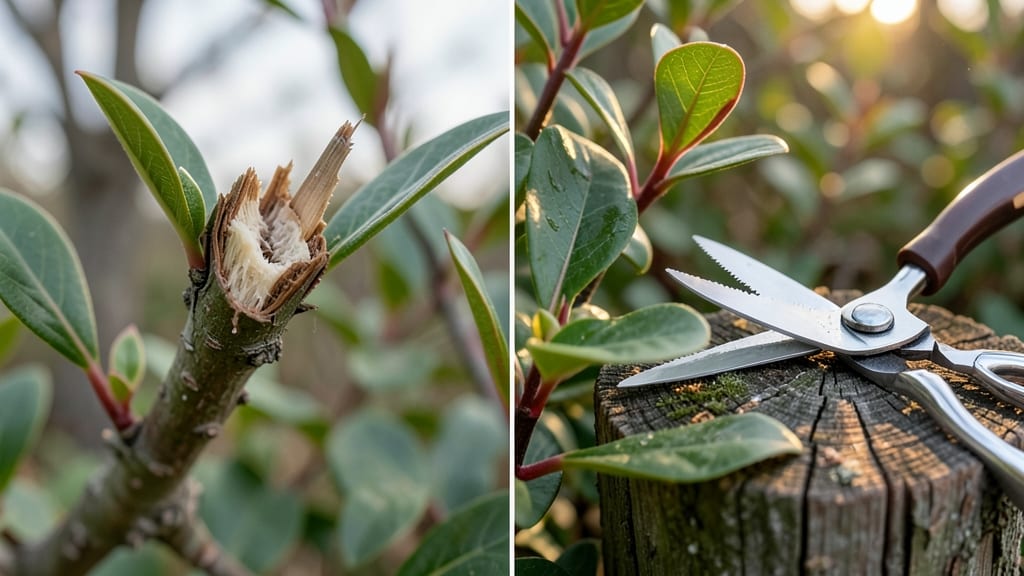
Euonymus bushes thrive with the right pruning techniques, but timing and method make all the difference. These 10 expert-approved pruning strategies ensure your euonymus stays lush, healthy, and perfectly shaped year-round—whether you're shaping hedges or sculpting topiary.
Spring Cleanup Pruning for New Growth
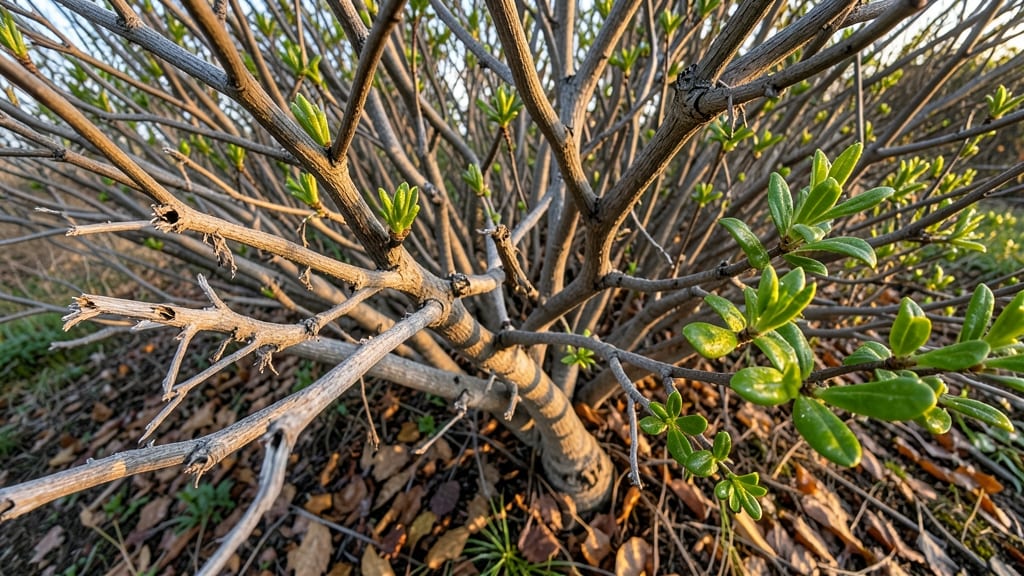
Spring is the perfect time to breathe new life into your euonymus bush by removing winter’s damage and encouraging vibrant regrowth. This early-season maintenance focuses on cleaning up dead, broken, or crossing branches while stimulating fresh foliage—ideal for neglected bushes that look tired after winter.
Start by inspecting your bush for winter-damaged branches (brown, brittle, or hollow stems) and prune them back to healthy green growth. Use sharp bypass pruners to make clean cuts just above a leaf node or outward-facing bud. Avoid heavy pruning—aim for no more than 25% of the bush’s total volume—to prevent stress. Fertilize lightly after pruning to support new growth.
This method is especially helpful for gardeners with overlooked bushes or those aiming for lush spring color. With proper timing and technique, your euonymus will reward you with dense, healthy foliage in just a few weeks. 🌱
Summer Deadheading for Bushier Foliage
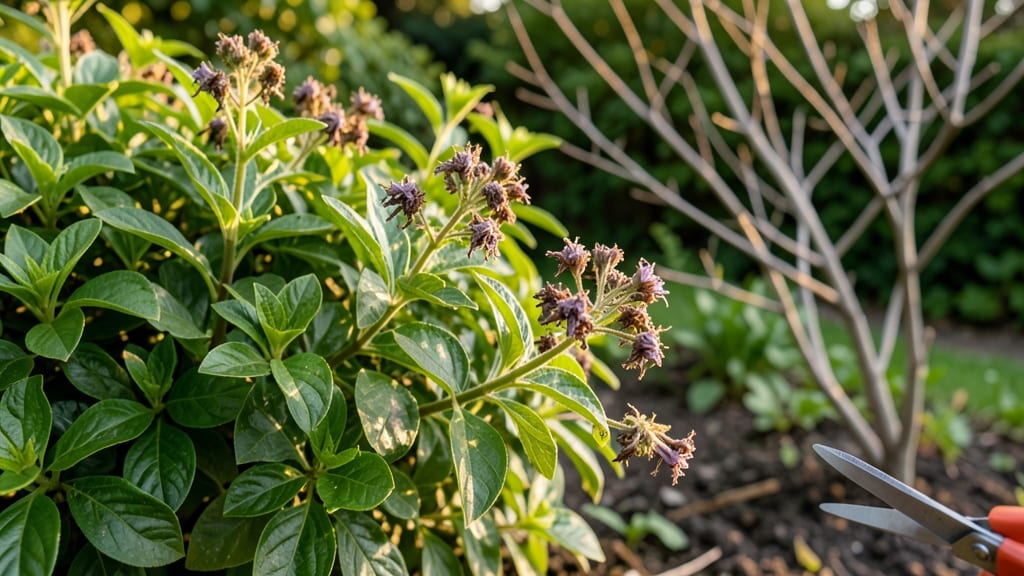
Want your Euonymus japonicus to burst with lush, dense foliage instead of sparse, leggy branches? Summer deadheading is your secret weapon. By removing spent flowers promptly, you redirect the plant's energy from seed production to leaf and stem growth—resulting in fuller, bushier plants by fall.
Start by snipping off faded blooms just above a set of leaves using clean, sharp pruners. Focus on summer-blooming varieties like Euonymus japonicus 'Green Gaiety' or 'Microphyllus', as these respond best to regular deadheading. For extra density, trim back any overly long stems by one-third while you're at it—this encourages branching at the base. Work on bright, dry mornings to minimize stress on the plant.
This technique is especially valuable for urban gardeners with limited space, as it maximizes your euonymus's ornamental value while keeping maintenance manageable. Just 10 minutes every two weeks can transform a straggly bush into a verdant focal point. 🌿
Fall Structural Pruning for Winter Shape
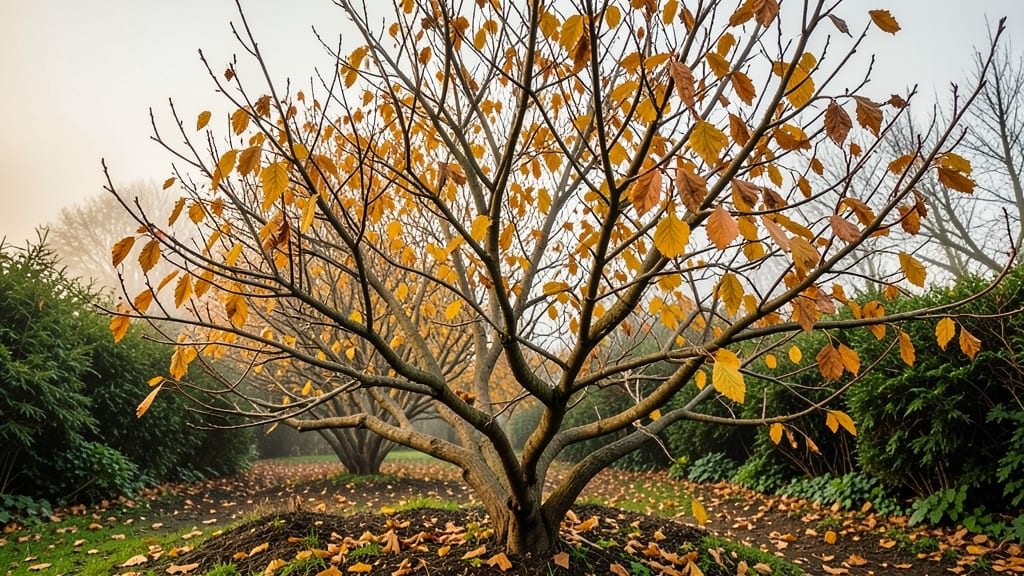
As golden leaves paint the landscape, fall structural pruning is your chance to sculpt euonymus bushes into winter-ready masterpieces. This isn't just trimming—it's reinforcing the plant's skeletal framework for years of strong growth ahead.
Focus on removing crossing or weak branches that could break under winter weight or snow. Aim to create an open center that allows sunlight to reach all foliage, while maintaining the desired shape—whether that's a rounded bush or a formal hedge. Use sharp bypass pruners to make clean cuts just above outward-facing buds, and avoid heavy pruning that could stress the plant before dormancy.
This method is especially valuable for gardeners maintaining large hedges or formal designs, as it prevents winter damage and sets the stage for vibrant spring regrowth. Your future self will thank you for this foundational work! 🌟
Winter Dormant Season Pruning for Renewal
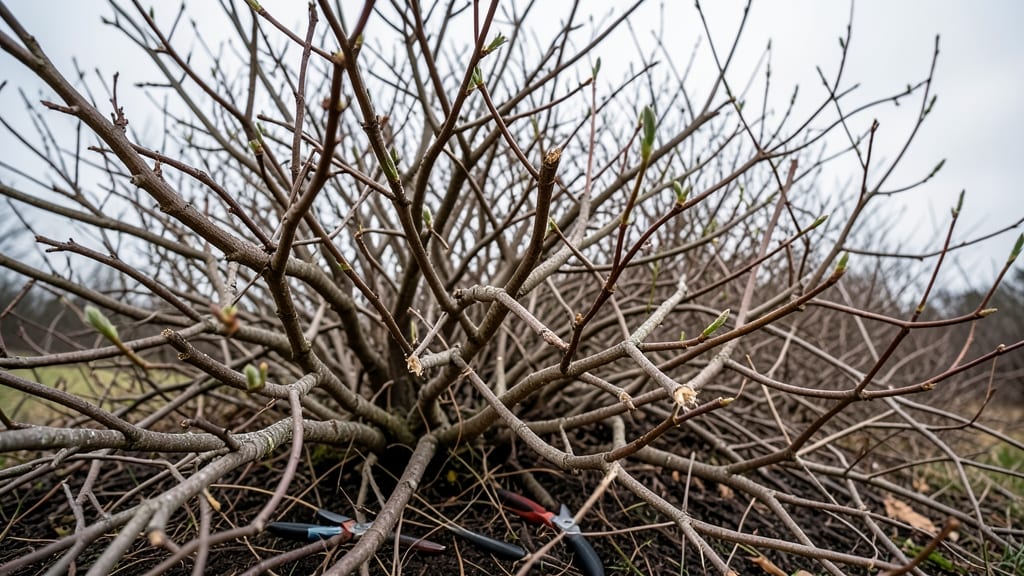
When your Euonymus alatus (winged euonymus) looks like a tangled mess after winter, dormant-season pruning is your secret weapon. This is the perfect time to reset the bush by removing dead, crossing, or weak branches—giving your plant a fresh start for explosive spring regrowth.
Start by cutting back any branches that died over winter or are rubbing against others. Aim to remove up to one-third of the plant's oldest wood to encourage new growth from the base. Use sharp bypass pruners for clean cuts just above a leaf node or bud. For cold-hardy varieties, this is also when you can reshape the bush without stressing it—just avoid pruning on frost days.
This method is ideal for gardeners in zones 4-8 who want to revitalize mature bushes or maintain a tidy, healthy shape. With the right cuts now, you’ll see lush, vibrant foliage by spring—no heavy-handed summer pruning required! 🌱
Topiary Shaping Techniques for Formal Gardens
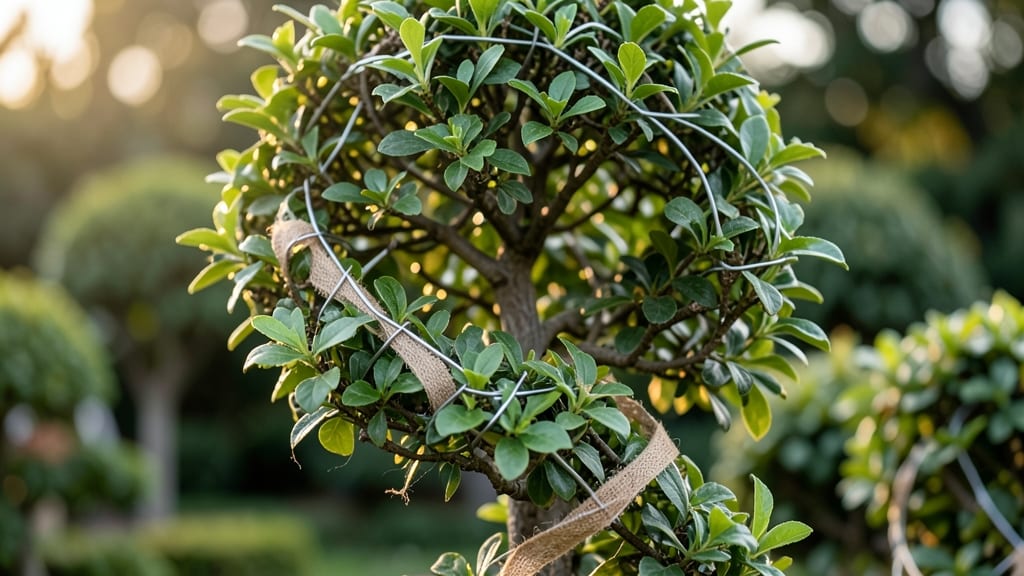
Want to turn your euonymus bushes into living sculptures? Topiary isn’t just for experts—with the right techniques, you can create elegant shapes that elevate any formal garden. Start by selecting a young, flexible branch to train into your desired form, using soft wire supports to guide growth without damaging the stems.
For intricate designs like spirals or animals, begin by outlining the basic shape with sharp pruning shears, trimming just beyond the leaf nodes. Use a wire frame for complex forms, adjusting it as the plant grows. Prune regularly during the active growing season (spring to early summer) to maintain crisp edges and encourage dense foliage. Always step back to check symmetry—this is key to polished topiary.
This technique is perfect for gardeners who love precision and want to add a touch of sophistication to their outdoor spaces. With patience, your euonymus will become a stunning centerpiece. ✨
Hedge Trimming for Uniform Height and Density
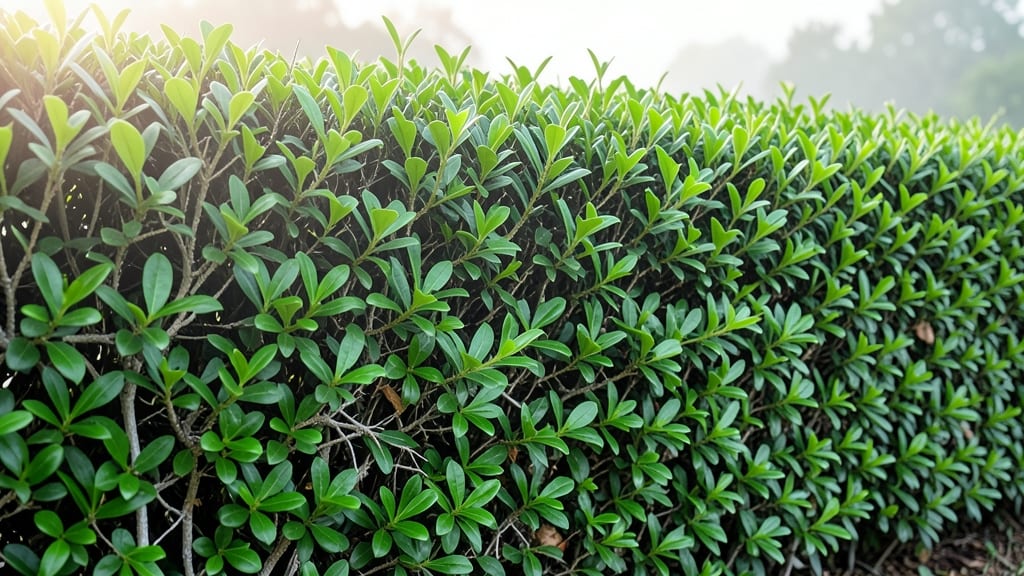
A perfectly trimmed euonymus hedge isn’t just visually stunning—it’s a privacy powerhouse and border-defining feature. Whether you’re creating a lush green screen or a crisp garden edge, uniform height and density start with precise trimming techniques that go beyond just snipping branches.
Use hedge shears (not regular pruners) to cut at a 45-degree angle just above a leaf node, which encourages bushier growth. Trim gradually—never more than one-third of the plant’s height at once—to avoid stress. For straight edges, use a string line as a guide, and for rounded shapes, follow the natural curve of the hedge. Space cuts every 2-3 weeks during the growing season to maintain shape without overburdening the plant.
This method is perfect for urban gardeners with limited space or anyone who wants a low-maintenance but polished look. With consistent trimming, your euonymus hedge will stay dense, healthy, and picture-perfect all season long. 💪
Rejuvenation Pruning for Overgrown Bushes
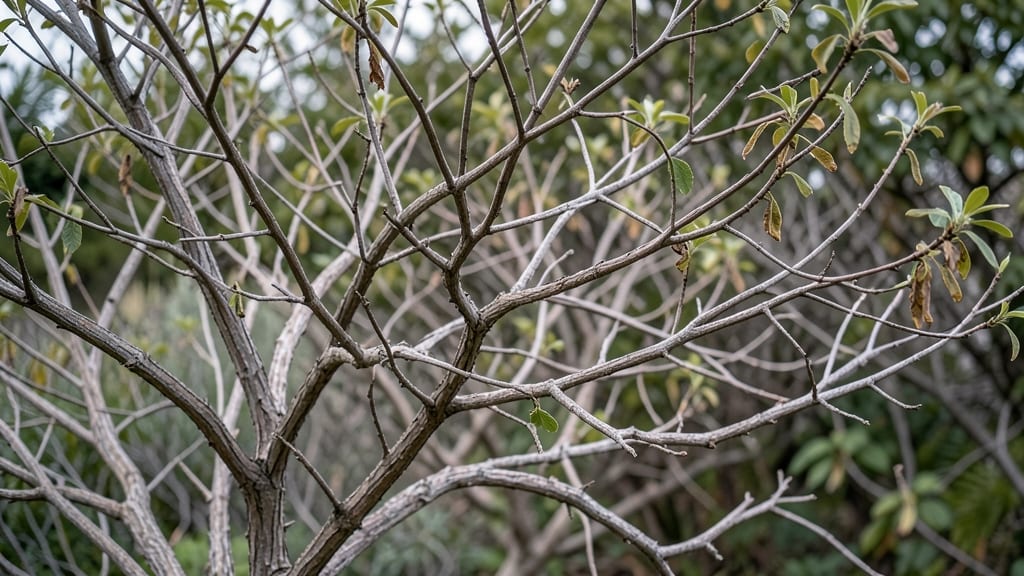
Your once-majestic euonymus bush has become a tangled mess of leggy branches and sparse foliage—don’t despair! Rejuvenation pruning is the secret weapon for bringing back neglected bushes with dramatic, healthy regrowth. This technique involves cutting back up to one-third of the plant (or even more for severely overgrown specimens) to stimulate fresh, vigorous growth from the base.
Start by removing dead, diseased, or crossing branches first, then cut back the remaining growth to just 6–12 inches above the ground, depending on the bush’s size. Use sharp pruning shears or a saw for clean cuts, and avoid leaving stubs. Apply a balanced fertilizer after pruning to support new growth, and water deeply to reduce stress. Most euonymus varieties respond beautifully to this drastic approach, often producing lush foliage within 6–8 weeks.
This method is ideal for gardeners who’ve inherited an overgrown landscape or skipped pruning for years—it’s a fresh start for your euonymus without the need for replacement. Just be patient; the results are worth the effort! 🌱
Pruning for Disease Prevention and Airflow
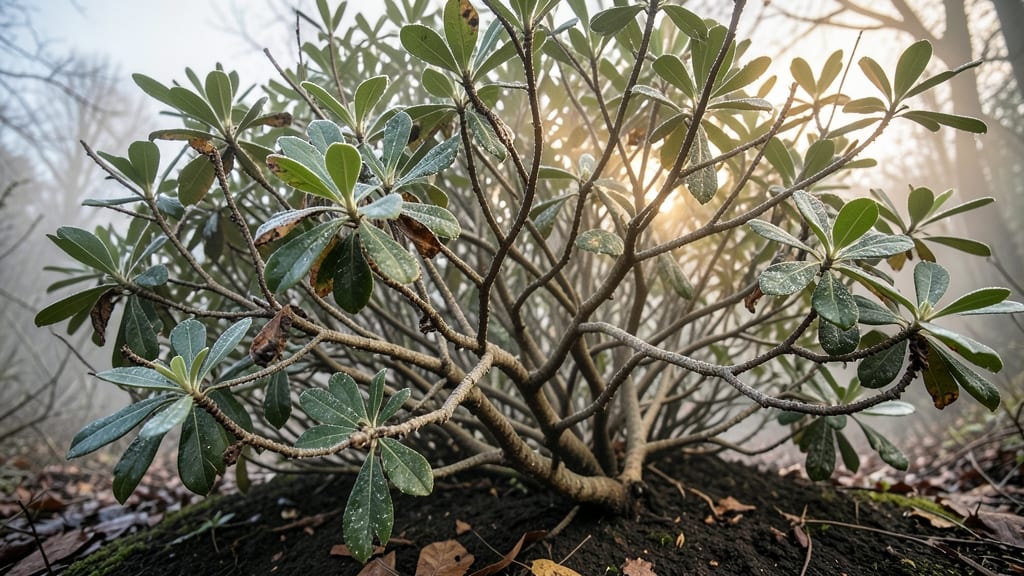
If your euonymus bush lives in a humid climate, poor airflow can turn it into a fungal magnet. Crowded branches trap moisture, creating the perfect breeding ground for diseases like powdery mildew or leaf spot—problems that can quickly defoliate your plant.
Start by removing any diseased branches first, cutting back to healthy wood. Then, thin out overlapping or inward-growing branches to create space between stems. Aim for 20-30% reduction in density to restore airflow without stressing the plant. Always use sterilized pruners to prevent spreading pathogens.
This method is especially valuable for gardeners in tropical or subtropical regions where humidity lingers year-round. A well-ventilated euonymus stays healthier, grows more vigorously, and resists pests naturally. 🌿
Selective Trimming for Flower and Fruit Display
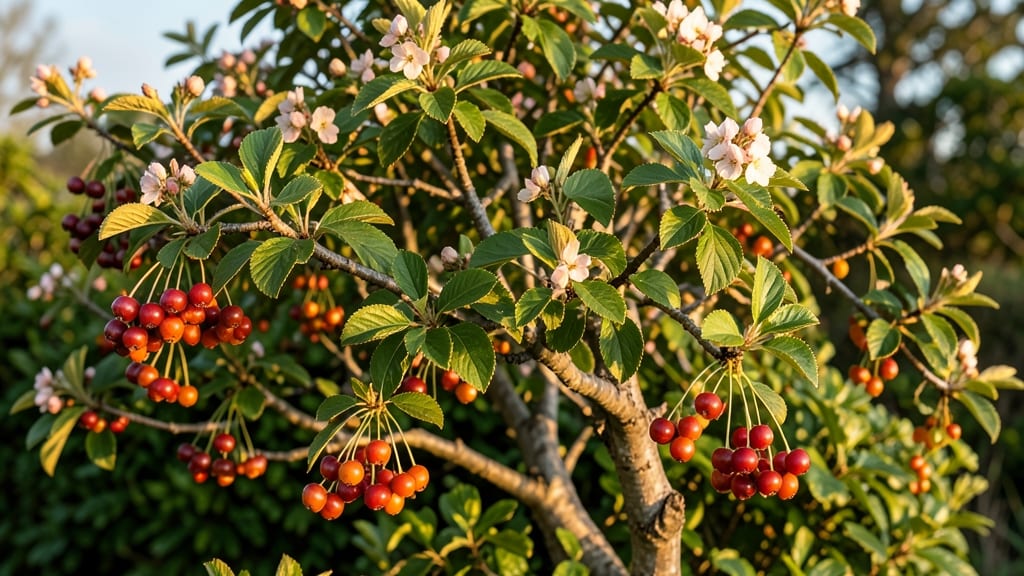
Want to turn your Euonymus europaeus into a showstopper with vibrant blooms and striking berries? Selective trimming is the secret weapon for ornamental gardens. Unlike heavy pruning, this method focuses on strategically removing only the branches that obstruct light or crowd flowers, allowing the plant to direct energy toward fruit production.
Start by identifying branches that block sunlight from reaching the center of the bush—these are your targets. Use sharp bypass pruners to make clean cuts just above a leaf node or bud, ensuring new growth emerges in the right direction. For varieties like spindle tree euonymus, time your trimming after flowering but before berries fully ripen to avoid sacrificing fruit. This approach boosts both pink berry production and fall color intensity.
This technique is ideal for gardeners who love year-round interest, as it preserves the bush’s natural shape while maximizing its ornamental value. Perfect for mixed borders or as a focal point, your euonymus will reward you with a dazzling display. 🌟
Tool and Technique Guide for Precision Cuts

The difference between a ragged cut and a flawless pruning job often comes down to the tools you use. For euonymus bushes, investing in the right equipment—like bypass pruners for clean cuts and hedge shears for precision—makes all the difference in promoting faster healing and healthier regrowth.
Always sterilize your tools with rubbing alcohol to prevent disease spread, and make cuts at a 45-degree angle just above a leaf node or bud. For thicker branches, use a pruning saw with fine teeth to avoid tearing the bark. Sharp tools reduce stress on the plant, so sharpen blades regularly and avoid dull shears that crush stems.
This technique is a game-changer for gardeners who want professional-looking results without the guesswork—whether you're shaping hedges, topiary, or simply tidying up your euonymus. 💡