
Pruning
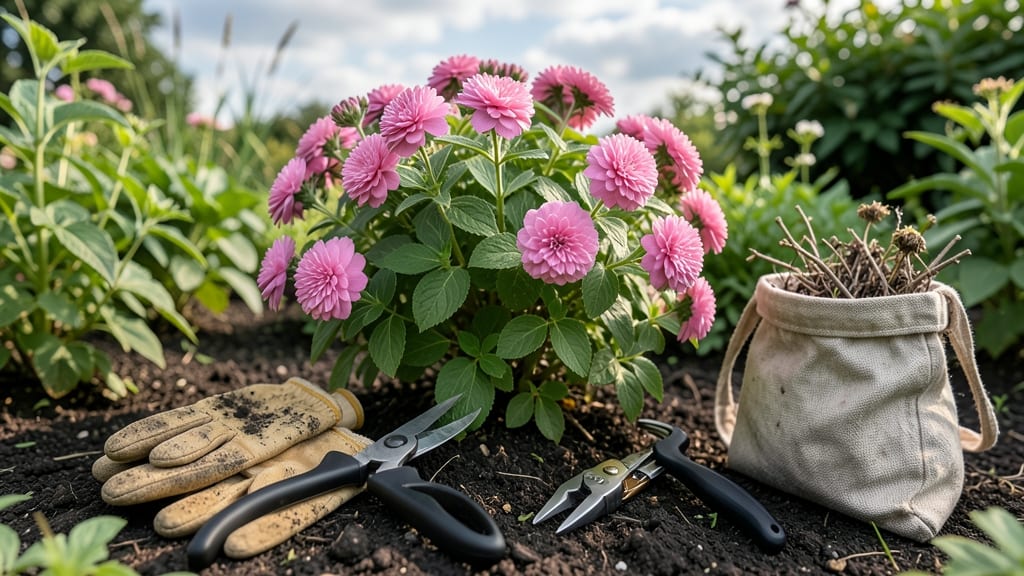
Your Double Play Doozie spirea could be hiding its full potential—until you prune it right. ✂️ Late winter is the secret window to transform this shrub from a scraggly mess into a blooming showstopper, and I’ve perfected the technique after years of trial and error.
The key is cutting back one-third to one-half of last year’s growth while keeping the shape open and airy. Most gardeners over-prune, leaving the plant stressed and sparse. My method focuses on strategic cuts that encourage dense, bushy growth and prolonged blooming from spring through summer.
You’ll see fresh, vibrant new shoots emerging within 2-3 weeks, with flowers appearing even earlier than before. The plant stays compact, resists disease better, and produces more blooms per stem—exactly what makes this variety worth growing.
Works for both new and established plants, and the process takes under 30 minutes once you get the hang of it. Let’s get those shears ready!
📚 In This Guide
- What you need
- Instructions
- Tips and common mistakes
- Wrapping up and next steps
What you need
- ● Bypass pruners: Sharp, clean pair (avoid anvil pruners—they crush stems). Specs: 5–7" blade length, ergonomic grip.
- ● Loppers: For thicker stems (½"–1" diameter). Specs: 18–24" reach, bypass or ratchet-style.
- ● Hand saw: For stubborn, woody branches. Specs: Curved blade (10–12" length).
- ● Disinfectant: 70% isopropyl alcohol or 10% bleach solution (1 part bleach : 9 parts water) to sterilize tools between cuts.
- ● Garden gloves: Heavy-duty, cut-resistant (e.g., Mechanix or Filon). Pro tip: Choose nitrile-coated for grip!
- ● Tarp or bucket: For collecting debris (5–10 gallon capacity).
- ○ Permanent marker: For labeling pruned branches (optional but helpful for tracking growth).
- ● Pruning sealant: (e.g., Tanglefoot Tree Wound Pruning Seal) for cuts >½". Note: Only use on large cuts—smaller ones heal faster without it!
- ● Extension pole: For high branches (10–12 ft reach).
- ● Ladder: Sturdy, 3-sided (for safety) if spirea is >6 ft tall.
- ● Plant food: Balanced 10-10-10 or slow-release granules (1 lb per 10 sq ft) to feed roots post-pruning.
- ● Camera: Snap before/after pics to track progress! 📸
Step-by-Step guide to pruning Double Play Doozie Spirea
Late winter is the perfect time to rejuvenate your Spirea—here’s how to coax those lush, continuous blooms.
✂️ Step 1: Time Your Pruning for Optimal Growth
Prune your Double Play Doozie Spirea in late winter, just as new growth begins but before buds swell. This timing ensures you remove dead wood while stimulating fresh, bushy growth. I always check for tight, brown buds—that’s my cue to grab the shears. If you wait until spring, you risk cutting off next year’s flowers.
Work on a dry, calm day to prevent stress on the plant. Early morning is ideal—cooler temps mean less sap flow, so cuts heal cleaner. Avoid pruning after rain; wet branches are more prone to disease when cut.
✂️ Step 2: Remove Dead, Diseased, or Weak Wood First
Start by inspecting the plant for dead branches—these are brittle, snap easily, and have no green beneath the bark. Cut these back to the main stem at a 45-degree angle, about ¼ inch above a healthy bud. This angle helps water run off, reducing rot risk.
Next, look for crossing branches or those growing inward—they’ll rub against each other, creating wounds. Remove these entirely at their base. I like to step back every few cuts to visualize the plant’s shape; this helps me spot hidden issues like hidden deadwood or crowded stems.
✂️ Step 3: Thin Out Overcrowded Stems
Double Play Doozie thrives when air circulates freely. Aim to reduce the plant’s center by 25-30% by removing the oldest, thickest stems at the base. These stems produce fewer flowers and crowd out younger growth. Cut them back to the ground, and you’ll encourage new, vibrant shoots from the base.
I target stems that are thicker than a pencil—these are often past their prime. Leave the thinner, younger stems (about the width of a pen) to take over. This creates a fuller, more dynamic plant with better bloom density. Watch for new green shoots emerging from the base within weeks of pruning—that’s your reward for thinning.
✂️ Step 4: Shape the Plant for Continuous Blooms
Now’s the time to refine the plant’s shape. Double Play Doozie blooms on new wood, so you can prune lightly to encourage dense, repeat flowering. Cut back the tips of remaining branches by ⅓ to ½ their length, making clean cuts just above a bud facing outward. This opens the plant’s center and redirects energy to the outer stems, where flowers will shine.
Step back often to check for balance. The goal is a rounded, layered look—no single branch should dominate. If you see a branch growing straight up, prune it back further to encourage a bushier habit. Over time, this method trains the plant to produce longer bloom seasons with fewer gaps.
✂️ Step 5: Clean Up and Apply Post-Pruning Care
After pruning, sterilize your shears with rubbing alcohol to prevent spreading disease. Collect all clippings and dispose of them in the trash—never compost diseased or dead wood. I also like to water the base deeply to help the plant recover, especially if winter was dry.
Apply a balanced, slow-release fertilizer (10-10-10) around the plant’s drip line, keeping it 6 inches away from the trunk. This feeds new growth without overwhelming the roots. Mulch lightly with 2-3 inches of organic mulch to retain moisture and suppress weeds. Within 4-6 weeks, you’ll see fresh, vibrant growth—proof your pruning paid off.
Tips & tricks for perfect late-winter Spirea pruning
A few strategic moves will transform your pruning from routine to rewarding—here's how to maximize those blooms.
Timing is Everything: The late-winter window is narrow but crucial—prune when you see tight, brown buds but before they begin swelling. This ensures you remove last year's dead wood while stimulating fresh growth without cutting off next year's flowers. I always check for those brown buds as my green light; if they're already swelling, you've missed the boat. The goal is to catch that sweet spot between dormancy and new growth.
Visual Cues for Healthy Cuts: When making cuts in Step 2, look for the "thumbprint test"—press your thumb into the bark. If it leaves a white mark that doesn't spring back, the branch is dead. For healthy cuts, make your 45-degree angles about ¼ inch above an outward-facing bud. This angle isn't just decorative—it helps water runoff and prevents rot. I like to practice on a scrap branch first to get the angle just right before tackling the plant.
Thinning Strategy: In Step 3, focus on creating a "bottle brush" shape by removing the thickest stems at the base. These older stems often produce fewer flowers and block air circulation. Aim to reduce the center by 25-30%—this might sound drastic, but trust me, the plant will reward you with bushier growth. The key is to leave those pencil-thin stems (about pen-width) that will take over and produce the most vibrant blooms.
Post-Pruning Recovery: After pruning, don't just walk away—give your plant the TLC it needs. The deep watering in Step 5 isn't just about hydration; it helps the plant recover from the stress of pruning. I like to add a handful of compost to the soil after watering to give the roots a nutrient boost. This combination of water and nutrients sets the stage for those fresh green shoots you'll see emerging within weeks.
Pro Tips for Double Play Doozie Spirea Pruning
- A few strategic moves will transform your pruning from routine to rewarding—here's how to maximize those blooms.
- Timing is Everything: The late-winter window is narrow but crucial—prune when you see tight, brown buds but before they begin swelling.
- Visual Cues for Healthy Cuts: When making cuts in Step 2, look for the "thumbprint test"—press your thumb into the bark.
Frequently asked questions
Got questions about pruning your Double Play Doozie® spirea like a pro? You’re not alone! Here are the most common queries—and their answers—to help you keep your shrub thriving with minimal fuss.
When is the exact best time to prune Double Play Doozie spirea?
Late winter (just before new growth starts) is ideal—typically February to early March in most climates. This timing removes dead wood, shapes the plant, and encourages lush, bushier blooms for spring. Avoid pruning in fall, as it can stimulate tender growth that won’t survive winter. Pro tip: If you miss late winter, wait until right after flowering (but expect fewer blooms that season).
How much can I cut back without killing my spirea?
You can safely prune up to ⅓ of the plant’s height in a single session, but avoid aggressive cuts deeper than old wood (the woody stems from previous years). Double Play Doozie® is forgiving—even a hard cutback will regrow, though it may take 1–2 seasons to regain full bloom density. Warning: Never cut into the center of the shrub; this creates a "donut effect" with no new growth.
Why did my spirea stop flowering after pruning?
Spireas bloom on new wood, so pruning too late (after buds form) can reduce flowers. If blooms are sparse, check these fixes:
- Prune earlier: Late-winter cuts give stems time to harden and flower.
- Fertilize lightly: Use a balanced 10-10-10 in early spring to boost growth.
- Check sunlight: Spireas need 6+ hours of sun daily.
Can I use the same pruning technique for other spirea varieties?
Most spireas (like Spirea japonica or Spirea thunbergii) follow similar rules, but Double Play Doozie® is a hybrid bred for extra-hardiness and reblooming. For varieties like Anthony Waterer (which blooms on old wood), prune right after flowering instead. Always research your specific type—some, like Goldflame, prefer minimal pruning to preserve their color.
What if my spirea looks leggy or sparse after pruning?
Leggy growth often means too little light or over-pruning. Try these fixes:
- Thin out dense areas: Remove overlapping branches to improve airflow.
- Fertilize with iron: Yellow leaves? A chelated iron supplement can help.
- Mulch well: Keep roots cool and moist with 2–3 inches of mulch.
Wrapping up and next steps
Mastering the art of pruning your Double Play Doozie Spirea in late winter is your secret weapon for show-stopping blooms all season! 🌸 With the right tools, timing, and technique, you’ll transform your shrub into a lush, vibrant centerpiece—no green thumb required.
Now that you’ve got the know-how, grab those pruners and give your Spirea the love it deserves—your future self (and your neighbors!) will thank you.
Ready to dive in? Mark your calendar for late winter, sharpen your tools, and start clipping with confidence. Happy pruning—your Spirea’s best days are ahead! ✂️🌿