
Pruning
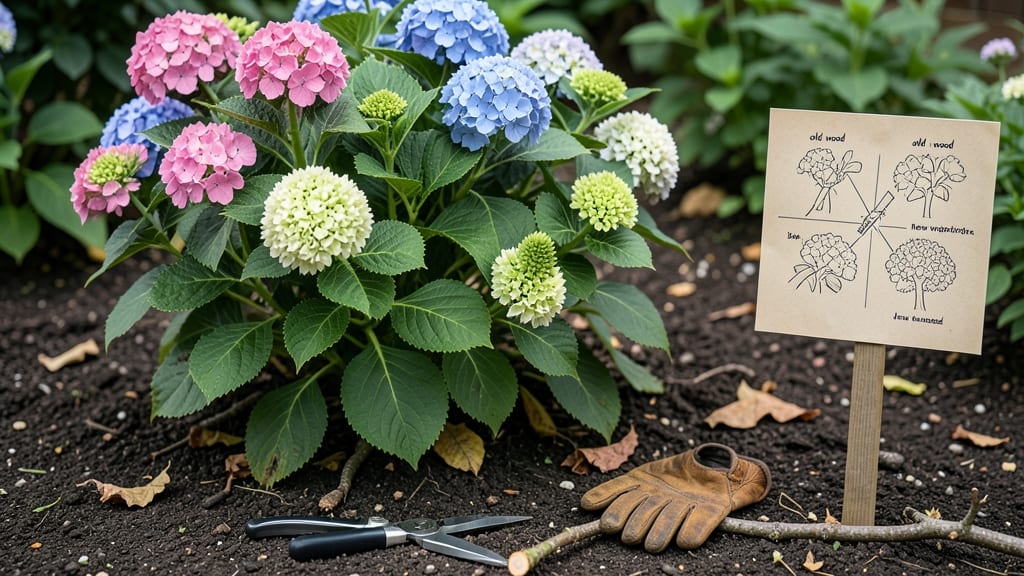
Do hydrangeas the need to be pruned?
The answer isn’t just about shaping—it’s the secret to bigger blooms and healthier plants all season. 🌸 I used to avoid it, thinking my hydrangeas looked fine without pruning, but after one winter of dead stems and sparse flowers, I learned the truth: timing and technique make all the difference.
The right cuts in late winter can double your bloom count by encouraging fresh growth.
Most hydrangeas bloom on new wood, meaning last year's stems won't produce flowers—so pruning isn't just optional, it's essential. You'll need clean pruners, a ladder (for tall varieties), and a sharp eye for the largest, healthiest stems.
The goal is to remove up to one-third of the oldest stems while leaving the rest intact for next year's blooms. Think of it like giving your plant a fresh start.
By late spring, you'll see plump buds forming where you made your cuts, and by summer, those buds will open into vibrant, abundant blooms that last well into fall.
The key is patience—rushing the process or cutting too aggressively can leave your hydrangeas looking bare for months. But when done right, the payoff is worth every snip.
This method works for mophead, lacecap, and panicle hydrangeas, but oakleaf varieties have slightly different needs. Whether you're a first-time pruner or a seasoned gardener, mastering this technique will transform your hydrangeas from merely pretty to showstopping. Let's get those shears ready!
📚 In This Guide
- What you need
- Instructions
- Tips and common mistakes
- Wrapping up and next steps
What you need
- ● Pruning shears: Sharp, bypass-style pruners (6–8 inches) for clean cuts. Must be sterilized with rubbing alcohol to prevent disease.
- ● Hand pruners: Smaller, anvil-style pruners (4–6 inches) for delicate trimming (e.g., deadheading or shaping small stems).
- ● Loppers: Bypass-style, 12–18 inches long, for thicker branches (1–2 inches in diameter).
- ● Garden gloves: Heavy-duty, cut-resistant gloves (e.g., leather or synthetic blend) to protect your hands.
- ● Disinfectant: 70% isopropyl alcohol or a 10% bleach solution (1 part bleach to 9 parts water) for sterilizing tools.
- ● Rag or paper towels: For wiping down tools between cuts.
- ○ Pruning sealant (optional): Tree wound paint or pruning paste for large cuts (controversial but useful for some varieties).
- ● Extension pole: For reaching high branches safely (look for one with a bypass pruner attachment).
- ● Marking twine or flags: To label branches you’re unsure about before cutting.
- ● Sharpie or paint marker: For marking stems you plan to prune (great for mophead or lacecap hydrangeas).
- ● Compost bin: To collect pruned branches for mulch or compost.
- ● Knee pad: For comfort if you’re working on the ground.
Instructions: when and how to prune hydrangeas for maximum bloom power
Pruning hydrangeas isn't just about cutting back—it's about unlocking next year's flowers right now.
⏰ Step 1: Identify Your Hydrangea Type First
Not all hydrangeas respond the same way. Bigleaf (mophead and lacecap) varieties bloom on old wood, meaning last year's growth holds this season's flowers. Prune these after they finish blooming—never in late winter. For panicle and smooth hydrangeas, which bloom on new wood, late-winter pruning is perfect because they'll produce flowers on current season's growth.
Here's the trick: Look at last year's flower heads. If they're still attached, you're dealing with old-wood bloomers. If they've already dropped, it's likely a new-wood variety. I always double-check with my local nursery if I'm unsure—skipping this step can mean no flowers next year.
✂️ Step 2: Time Your Pruning for Late Winter
Wait until after your last hard frost but before new growth begins—typically late February to early March in most climates. You'll know it's time when forsythia bushes start blooming nearby. Prune too early, and you risk damaging tender new buds. Prune too late, and you'll cut off potential flower-forming wood.
For new-wood varieties, I like to prune when the soil is still cold but the days are warming. This gives the plant time to establish roots before the growing season kicks in. If your winters are mild, you might need to wait until March or even early April—just don't delay past when you see fresh green growth emerging.
🌿 Step 3: Cut Back Strategically for Shape and Health
Start by removing any dead, diseased, or crossing branches first. These compete for energy and can spread problems. Use clean, sharp pruners to make cuts at a 45-degree angle, about ¼ inch above a leaf node or outward-facing bud. This encourages better healing and directs growth outward for a fuller plant.
For new-wood varieties, cut back each stem to 4-6 inches above the ground. This might seem drastic, but it forces the plant to produce strong, vigorous new growth that will flower more abundantly. For old-wood varieties that need minimal pruning, just remove dead stems and shape lightly—never cut back more than 20% of the plant's height.
☀️ Step 4: Encourage Strong New Growth Post-Pruning
After pruning, hydrangeas need a boost to recover. Apply a balanced, slow-release fertilizer (10-10-10 ratio) around the base of the plant, keeping it 6-12 inches away from the stem. Water deeply to help roots absorb nutrients, and mulch with 2-3 inches of organic mulch to retain moisture and regulate soil temperature.
Watch for new shoots emerging within 2-3 weeks. These will be your plant's future blooms for new-wood varieties. If growth appears weak or sparse, consider a second light application of fertilizer in 6-8 weeks. Avoid heavy nitrogen fertilizers—they promote leafy growth at the expense of flowers.
🌱 Step 5: Monitor and Adjust for Next Year
Throughout the growing season, keep an eye on your hydrangeas. If branches grow too leggy or crowded, do a light pruning in early summer to encourage bushier growth. For old-wood varieties, never prune after mid-summer—you risk removing next year's flower buds.
Take notes on what worked and what didn't. Did your panicle hydrangea bloom more this year? Did your lacecap variety need less pruning? Adjust your approach each year based on your plant's response. Over time, you'll develop a pruning rhythm that keeps your hydrangeas thriving and blooming like never before.
Tips & tricks for pruning hydrangeas like a pro
Late-winter pruning is your secret weapon for next season's showstopping blooms—here's how to do it right without the guesswork.
Hydrangea Type Matters: The biggest mistake I see is treating all hydrangeas the same. Old-wood varieties like mopheads and lacecaps store their flower buds on last year's growth, so pruning too early can cost you next year's blooms. Always check for last year's flower heads—if they're still attached, you're dealing with old wood. For new-wood varieties like panicles, late-winter pruning is perfect because they'll produce flowers on this year's growth. I keep a small notebook by my pruners to jot down which varieties I have—it's saved me from pruning errors twice!
Timing is Everything: The late February to early March window is critical for new-wood varieties, but don't rely solely on the calendar. Watch for forsythia blooms—they're nature's pruning clock. If your winters are mild, wait until you see fresh green growth emerging to avoid cutting off potential flower-forming wood. I've learned this the hard way after accidentally pruning too early and ending up with leggy, flowerless stems. For old-wood varieties, wait until after they finish blooming—usually late summer or early fall—to avoid removing next year's flower buds.
Cutting Technique Makes All the Difference: When pruning new-wood varieties, don't be afraid to cut back stems to 4-6 inches above ground level. This might seem drastic, but it forces the plant to produce stronger, more vigorous growth that will flower more abundantly. For old-wood varieties, make clean cuts at a 45-degree angle about ¼ inch above an outward-facing bud. This encourages better healing and directs growth outward for a fuller plant. I always sterilize my pruners with rubbing alcohol between cuts to prevent spreading disease—it's a small step that makes a big difference in plant health.
Post-Pruning Care Sets You Up for Success: After pruning, hydrangeas need proper care to recover and prepare for next season's blooms. Apply a balanced 10-10-10 fertilizer around the base, keeping it 6-12 inches away from the stem. Water deeply to help roots absorb nutrients, and add 2-3 inches of organic mulch to retain moisture and regulate soil temperature. Watch for new shoots emerging within 2-3 weeks—these will be your future blooms. If growth appears weak, a second light application of fertilizer in 6-8 weeks can give your hydrangeas the boost they need. I've found that consistent moisture during this recovery period is just as important as the pruning itself.
Pro Tips for Do Hydrangeas Need To Be Pruned
- Late-winter pruning is your secret weapon for next season's showstopping blooms—here's how to do it right without the guesswork.
- Hydrangea Type Matters: The biggest mistake I see is treating all hydrangeas the same.
- Timing is Everything: The late February to early March window is critical for new-wood varieties, but don't rely solely on the calendar.
Frequently asked questions
Got questions about pruning hydrangeas? You’re not alone! Here are answers to the most common concerns—so you can confidently shape your plants for stunning blooms all season.
When is the best time to prune hydrangeas?
For most hydrangeas (like mopheads and lacecaps), late winter or early spring—just before new growth starts—is ideal. Reblooming varieties (like PeeGee) can handle light pruning in late spring too. Avoid pruning in fall, as it removes winter protection and budding flowers.
What if I prune at the wrong time?
Pruning too early (like mid-winter) can damage buds already forming. If you accidentally prune late bloomers (e.g., Bigleaf) in fall, don’t panic—they’ll still bloom, but expect fewer flowers. Pro tip: Mark pruning dates on your calendar to stay on track!
Do I need to prune hydrangeas every year?
Not always! Old Wood hydrangeas (like mopheads) only need pruning every 2–3 years to shape them. Rebloomers (e.g., PeeGee) benefit from annual pruning to encourage more flowers. Focus on dead, diseased, or overcrowded branches yearly for all types.
Can I skip pruning and still get flowers?
Yes, but expect fewer, smaller blooms over time. Pruning removes spent growth, redirects energy to new stems, and prevents woody, leggy plants. Think of it like a haircut—skipping it won’t kill your hydrangeas, but they’ll look (and bloom) their best with regular care!
What if my hydrangeas don’t bloom after pruning?
Check these fixes:
- Wrong type: Old-wood hydrangeas (like mopheads) need last year’s stems—prune lightly or not at all!
- Over-pruning: Cutting back too much (e.g., ⅓ of the plant) can shock the shrub.
- Poor soil/nutrients: Test soil pH (hydrangeas love acidic soil for blue blooms) and fertilize in spring.
- Pests/disease: Yellow leaves or no buds? Inspect for aphids or fungal issues.
Wrapping up and next steps
Pruning hydrangeas in late winter isn’t just about tidying up—it’s your secret weapon for bigger, healthier blooms all season! 🌸 Whether you’re trimming mopheads, panicles, or oakleaf varieties, the key is timing, technique, and a little patience.
With the right tools and a clear plan, you’ll transform your shrubs into showstoppers that steal the spotlight.
Ready to own your garden? Grab those shears and get pruning—your future blooms will thank you! For extra confidence, bookmark this guide or snap a photo of your pruning checklist before you start. Happy gardening! 🌿✨