
Pruning
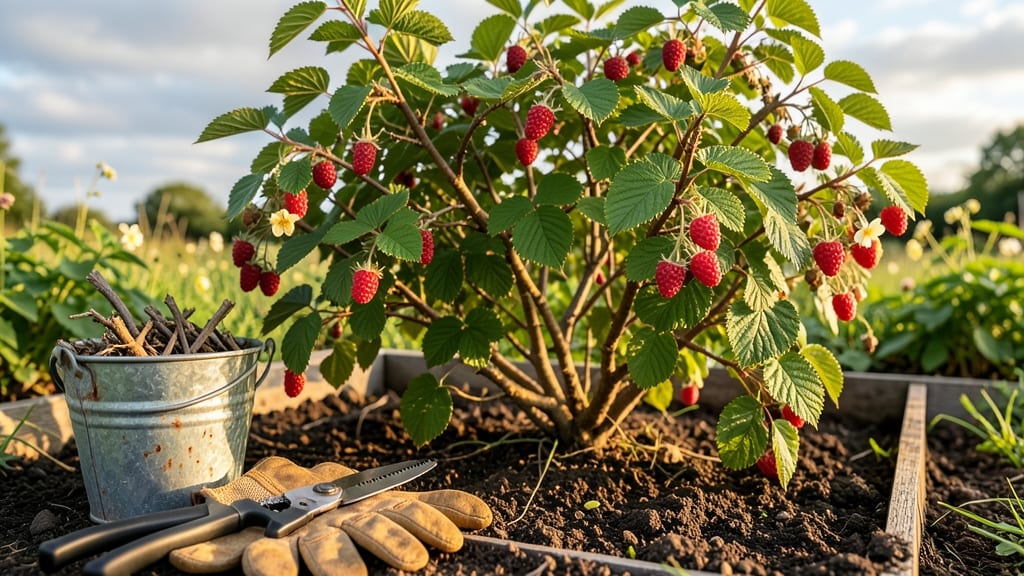
Pruning Caroline raspberries transforms those scraggly canes into a fragrant, productive thicket. 🌿 I learned the hard way that skipping this step means fewer berries and more tangled mess—but once I mastered the timing and cuts, my bushes exploded with flavorful fruit and thick, healthy growth.
The secret lies in understanding summer vs. winter pruning, and I’ll show you exactly when and how to wield those shears for maximum impact.
You’ll need just three things: sharp bypass pruners (dull blades crush canes), a pair of gloves (those thorns don’t play nice), and a clear morning to work when the plants are dry.
The real magic happens in two seasons: late winter (before buds swell) and mid-summer (after harvest), with a few strategic cuts that take less than 20 minutes per bush. No fancy tools or complicated techniques—just a system that works every time.
By summer’s end, you’ll have a bushier plant with more fruiting canes and fewer leggy, unproductive stems. The berries? Juicier, sweeter, and packed with that signature Caroline raspberry fragrance.
Plus, your bushes will look like a well-behaved hedge instead of a tangled jungle. The best part? This method keeps producing for years without the guesswork.
Whether you’re a first-time raspberry grower or a veteran looking to refine your technique, this guide adapts to your space—whether you’ve got a small backyard patch or a sprawling berry bed. Let’s get those canes shaped up for next season’s harvest!
📚 In This Guide
- What you need
- Instructions
- Tips and common mistakes
- Wrapping up and next steps
What you need
- ● Pruning shears or loppers: Sharp, bypass-style shears (for clean cuts) or loppers (for thicker canes). Sanitize with rubbing alcohol before and after use! (1 pair)
- ● Gloves: Heavy-duty gardening gloves (to protect from thorns and dirt). (1 pair)
- ● Disinfectant: 70% isopropyl alcohol or a pruning sealant (to prevent disease spread). (Small bottle)
- ● Rake or hoe: For clearing debris around the base of the plant. (1)
- ○ Watering can or hose: To hydrate plants post-pruning. (Optional but helpful!)
- ● Stakes or twine: If training canes (for support during regrowth). (2–4 stakes + twine)
- ● Hand pruners: For precision cuts on smaller canes.
- ● Mulch: Organic mulch (e.g., straw or wood chips) to retain moisture and suppress weeds.
- ● Plant food: Balanced 10-10-10 fertilizer (to boost regrowth after pruning).
- ● Label markers: If you’re experimenting with pruning techniques (e.g., "Summer 2024 Test").
Instructions for pruning Caroline raspberries year-round
Let’s turn those leggy canes into a fragrant, productive bush—no guesswork needed.
✂️ Step 1: Late Winter Pruning (Before Bud Break)
Start in late winter when the plants are still dormant, ideally in February or early March. This is the most critical pruning time because it sets up the season’s growth pattern. Look for thick, woody canes—these are last year’s fruiting stems and should be removed entirely at the base. I always start by cutting these out first, as they’re the easiest to identify.
Next, thin the remaining canes to 4-6 of the strongest, thickest ones. These will produce this year’s fruit. Cut any weak, thin, or diseased canes at the base. You’ll know you’ve got the right ones—they’ll be at least pencil-thick and standing upright. Leave any canes that are less than 1/4 inch in diameter for next year’s growth.
☀️ Step 2: Summer Maintenance (After Harvest)
After the first harvest in mid-summer, it’s time for a light trim to keep the plant healthy and encourage more fruit. Remove any dead, damaged, or diseased canes immediately—these can spread problems to the rest of the plant. I also look for suckers (those thin, fast-growing shoots at the base) and cut them off unless you’re intentionally propagating new plants.
Next, thin out any overcrowded canes to maintain airflow. Caroline raspberries need good circulation to prevent fungal diseases. Aim to keep 3-4 inches of space between canes. If you see any weak, spindly growth reaching for light, prune it back by one-third to encourage bushier, stronger canes. This is also a great time to tie in any floppy canes to your trellis or support structure.
⏰ Step 3: Fall Cleanup (Before Dormancy)
In late fall, after the first frost but before the ground freezes, do a final light pruning to tidy up the plant. Remove any dead or diseased canes that may have appeared over the summer. I also cut back any weak or spindly growth that didn’t produce well. This helps the plant focus its energy on storing nutrients for next year’s growth.
Leave the strong, healthy canes intact—they’ll provide structure and protection for the plant over winter. If you’re in a colder climate, consider mulching around the base with 2-3 inches of organic mulch (like straw or shredded leaves) to insulate the roots. This step is all about prep—you’re setting the stage for next year’s harvest.
🌿 Step 4: Spring Check-In (Early Growth)
Once new growth starts in early spring, do a quick check for any unexpected damage from winter or pests. Prune out any blackened, mushy, or moldy canes right away—don’t let them linger. If you notice weak, pale new shoots, they might need a little extra support. I often stake these early growths to prevent them from bending under their own weight.
This is also the time to shape the plant if needed. If any canes are growing too close together, thin them out to maintain that 3-4 inch spacing. You’ll see new reddish growth emerging from the base—these are your future fruiting canes. Let them grow strong, and avoid heavy pruning now. The goal is to encourage vigorous, fragrant canes that will bear fruit later in the season.
Tips & tricks for pruning Caroline raspberries
Here's what nobody tells you about keeping your Caroline raspberries thriving all year round.
Timing is Everything: Late winter pruning in February or early March is non-negotiable for Caroline raspberries. The plants must be completely dormant—this means no green shoots or buds showing. I once pruned too early and ended up cutting off emerging buds, which set back my harvest by weeks. Look for those thick, woody canes from last year's growth—they're the ones to remove completely at the base. These old canes won't produce fruit anyway, so you're just making room for new growth.
The Right Tools Make All the Difference: Use clean, sharp pruning shears or loppers—dull tools crush stems instead of making clean cuts. I keep a small bottle of rubbing alcohol handy to wipe down my tools between cuts to prevent spreading any potential diseases. For thicker canes, I use my pruning saw to make clean cuts just above a bud or lateral branch. Never leave stubs—this invites disease and weakens the plant. Remember, Caroline raspberries respond well to precise cuts, so take your time and make each cut intentional.
Summer Maintenance Secret: After your first harvest in mid-summer, don't just cut out the obvious dead canes—look for those sneaky suckers growing at the base. These thin, fast-growing shoots steal energy from your main canes. I've seen plants with 20+ suckers that completely drained the main plant's resources. Cut these off at the base immediately unless you're intentionally propagating new plants. Also, maintain that 3-4 inch spacing between canes—this airflow is crucial for preventing fungal diseases that Caroline raspberries are particularly susceptible to.
Winter Protection Strategy: In colder climates, that 2-3 inch layer of organic mulch around the base isn't just decoration—it's insulation. I've seen Caroline raspberries survive winters with temperatures dropping to -10°F when properly mulched, while unmulched plants suffered frost damage. Use straw or shredded leaves for best results, and make sure to pull back the mulch in early spring before new growth appears to prevent rot. This simple step can mean the difference between a thriving bush and one struggling to recover in spring.
Pro Tips for Caroline Raspberry Pruning
- Here's what nobody tells you about keeping your Caroline raspberries thriving all year round.
- Timing is Everything: Late winter pruning in February or early March is non-negotiable for Caroline raspberries.
- The Right Tools Make All the Difference: Use clean, sharp pruning shears or loppers—dull tools crush stems instead of making clean cuts.
Frequently asked questions
Got questions about pruning your Caroline raspberries like a pro?
Whether you're a first-time gardener or a seasoned green thumb, these answers will help you keep your canes healthy, productive, and fragrant year-round.
When is the best time to prune Caroline raspberries?
Prune Caroline raspberries in late winter or early spring (just before new growth starts) to remove dead or weak canes. Summer pruning is optional—focus on thinning crowded canes to improve airflow and fruit quality. Avoid pruning in fall, as new growth may not harden off before winter.
How much of the Caroline raspberry cane should I cut back?
For Caroline raspberries, cut canes back to 6–12 inches tall in late winter. Remove any canes that are dead, diseased, or thinner than a pencil. Leave the strongest, healthiest canes to produce fruit. If you’re pruning summer-flowering varieties, trim only the top third to encourage branching.
What if I skip pruning my Caroline raspberries?
Skipping pruning won’t kill your plants, but they’ll become overcrowded, produce fewer berries, and be more prone to disease. Without pruning, canes compete for nutrients, and fruit quality declines. Think of it like a haircut—regular trims keep things tidy and thriving!
Can I prune Caroline raspberries in summer?
Yes! Light summer pruning (like removing suckers or overcrowded canes) is fine, but avoid heavy cuts. Focus on thinning rather than cutting back hard—this prevents stress. If you prune summer-bearing varieties, do it after harvest to avoid reducing next year’s crop.
My Caroline raspberries have black spots after pruning—what’s wrong?
Black spots could signal fungal disease (like cane blight). Sterilize pruners with rubbing alcohol, remove infected canes immediately, and improve airflow by thinning canes. Apply a copper fungicide if needed, and avoid overhead watering.
Wrapping up and next steps
Mastering Caroline raspberry pruning transforms your garden into a fragrant, productive paradise! 🌿 With the right tools, timing, and techniques—like thinning canes in late winter and summer shaping—you’ll encourage lush growth and bountiful harvests. Remember, consistency is key, so stay patient and observe your plants’ unique needs.
Ready to elevate your Caroline raspberry game? Grab your pruners, mark your calendar for next winter, and start small—even a few well-placed cuts make a difference. Happy pruning! 🌱✂️