
Pruning
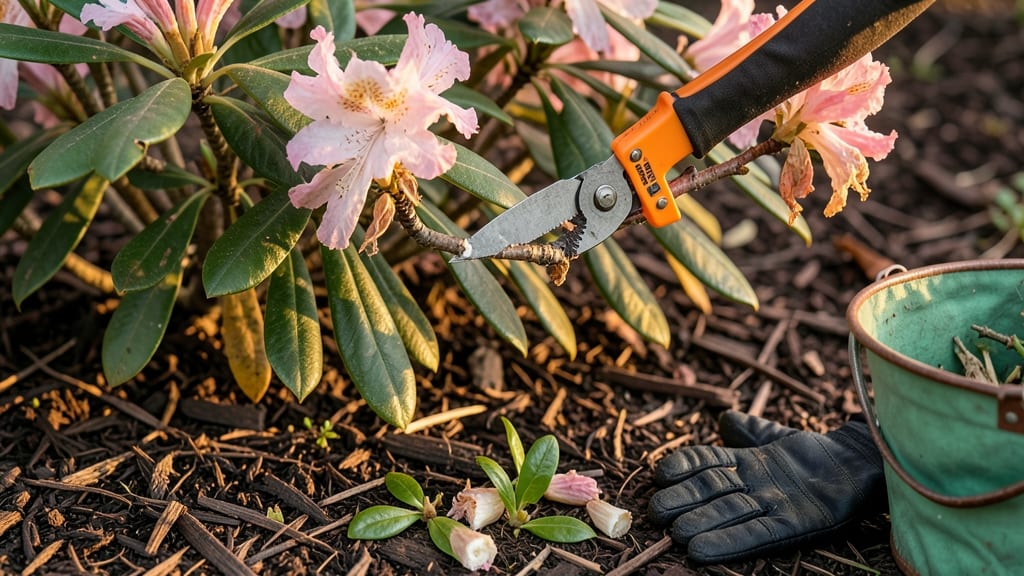
You can prune rhododendrons in summer only in emergencies, but it removes next year’s flower buds and stresses the plant during its active growth phase. For best results, wait until late winter or early spring—after blooms fade—to promote healthier growth and vibrant flowers.
Summer pruning is usually discouraged because rhododendrons set their flower buds in late summer and fall. 🌸 Cutting back during peak growth (June-August) can remove these developing buds, leaving you with sparse or no blooms next season.
The plant also faces added stress from heat and water demands, which can weaken its overall health. I’ve seen gardeners accidentally prune away bud clusters, only to be disappointed by the lack of flowers the following year.
Instead, aim for late winter or early spring pruning—after the flowers have faded but before new growth begins. This timing allows the plant to recover fully before entering its next growth cycle. You’ll preserve those precious buds while giving your rhododendron the best chance to thrive.
Just be sure to use clean, sharp tools and avoid over-pruning, as these plants respond best to gentle shaping.
💡 In This Article
- Why Summer Pruning Damages Rhododendron Blooms
- Best Rhododendron Pruning Schedule for Healthy Growth
Why summer pruning damages rhododendron blooms
Rhododendrons begin forming next year’s flower buds in late summer and early fall, typically between August and October, depending on your climate zone. When you prune in summer—especially June through August—you risk cutting off these developing buds before they’ve had a chance to mature.
These buds are tiny, often hidden among the foliage, and removing them means fewer (or no) blooms the following spring. In my experience, a single summer pruning session can reduce flowering by up to 70% if not done carefully.
The plant’s natural growth cycle is another critical factor. Rhododendrons enter a period of active growth in spring, peak in summer, and begin preparing for dormancy in fall.
Summer pruning forces the plant to divert energy toward healing wounds and regrowing foliage instead of storing nutrients for winter survival and bud formation.
Heat stress compounds the issue—summer temperatures can exceed 85°F in many regions, causing the plant to lose moisture rapidly through new cuts, which act like open wounds. This creates a double burden: the plant must recover from pruning and combat heat and drought simultaneously.
Think of it like this: pruning in summer is like asking a marathon runner to sprint an extra mile halfway through the race. 🌿 The plant’s energy reserves are already stretched thin supporting current growth, and removing branches adds unnecessary strain.
In contrast, late winter or early spring pruning aligns with the plant’s natural rest period, allowing it to recover fully before the growing season kicks in. This timing also lets you see which branches died over winter (often brown or brittle) and remove them without risking bud loss.
Even if you’re dealing with overgrown rhododendrons, summer isn’t the ideal time for heavy pruning. Instead, focus on light maintenance—removing only dead or diseased branches—and save major shaping for late winter.
For example, if a branch is completely dead (no green leaves or flexible stems), you can trim it year-round without harming future blooms. But for healthy branches, wait until after flowering to avoid accidentally cutting off next year’s showstopper buds.
One exception to this rule is emergency pruning, such as removing storm-damaged branches or branches that pose a safety hazard. In these cases, act quickly but minimize cuts to healthy wood.
After the emergency, plan to do a full pruning in late winter to restore the plant’s shape and health. The key is balancing immediate needs with long-term growth goals—rhododendrons are patient plants, and a little restraint now pays off in spectacular spring blooms.
To visualize the impact, imagine a rhododendron’s flower buds as tiny green pebbles forming along the stems in late summer. Each pebble represents a potential bloom. Summer pruning is like scooping up those pebbles before they’ve had a chance to grow into full flowers.
By waiting until late winter, you let those pebbles mature into robust buds ready to burst into color the following spring. 🌸