
How To
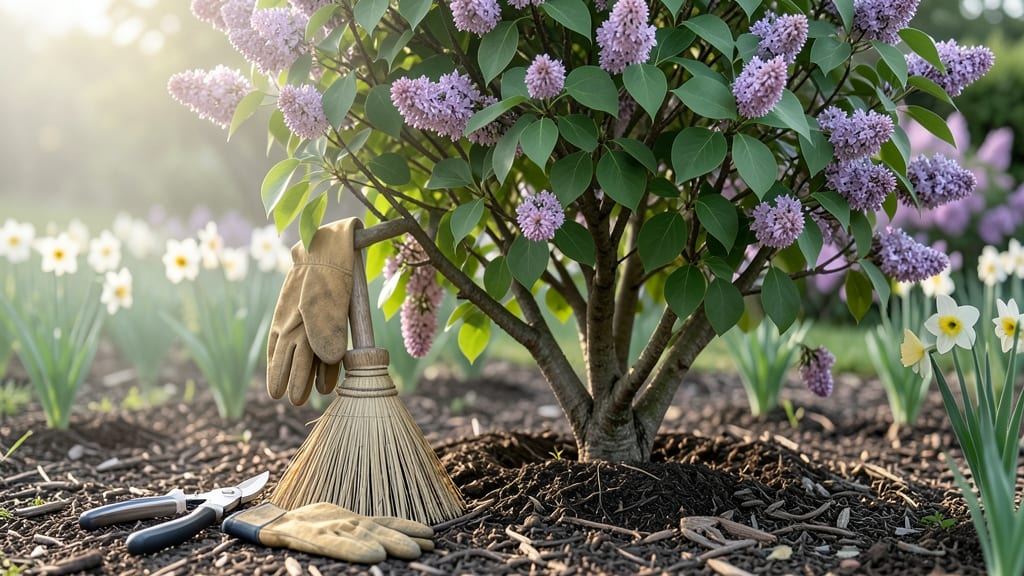
The best time to prune lilacs is right after their 🌸 blooms fade—usually late May or early June—when the flowers drop but before the new buds form for next year.
Pruning lilacs at the wrong time can turn your fragrant spring blooms into a sparse, underwhelming display—but timing it just right ensures lush, abundant flowers for years.
This isn’t just about aesthetics; pruning too late can starve next year’s blooms, while cutting too early removes the buds that will become your showstopping scent in spring.
In this guide, I’ll break down the exact week to prune based on your climate zone, the tools you’ll need, and the critical mistakes that ruin your lilacs—so you can enjoy those heady blooms year after year.
When to prune lilacs for maximum blooms: the exact science
Lilacs thrive on precision timing—prune them at the wrong moment, and you’ll sacrifice next year’s fragrant blooms for sparse, leggy growth. The ideal pruning window isn’t just "after flowering"; it’s a botanical dance between bud formation and climate cues that shift by USDA zone.
Get this wrong, and your lilac’s flower buds (which form in late summer!) will wither before they bloom.
Here’s the science: Lilacs set next year’s flower buds in late summer (August-September), but they need 6-8 weeks of warm weather after pruning to regenerate. Prune too late, and those buds won’t mature. Prune too early, and you risk removing next year’s blooms before they’ve even formed.
The perfect timing hinges on your location and lilac variety, but the rule is simple: prune immediately after flowers fade—but before new growth hardens.
Your USDA zone dictates the exact week to prune. In cooler zones (3-4), aim for late June—right after the last frost—because lilacs need 6-8 weeks of warm weather to set buds.
Miss this window, and late-summer frosts can kill emerging buds. In warmer zones (7-9), you’ve got until early August because the growing season stretches longer, giving buds more time to mature.
But here’s the critical detail most gardeners miss: not all lilacs bloom at once. Early varieties like 'Dwarf Korean' may finish flowering by late May, while late bloomers like 'Purple Plume' linger until early June.
Prune too early for late bloomers, and you’ll cut off next year’s flowers before they form. Always wait until all blooms have fully wilted—even the last stubborn cluster.
Watch for these 3 visual cues to nail timing:
- Flowers turn brown and crisp (not just wilting),
- Seed pods form but haven’t hardened, and
- New leaves at the base are still soft.
If you see bud swell (tiny green bumps) on stems, you’ve waited too long—those are next year’s blooms forming, and pruning now will reduce next year’s flowers by 50%.
Climate microclimates can shift your ideal window by 1-2 weeks. A south-facing lilac in Zone 6 might bloom 2 weeks earlier than one in shade. To adjust, track your lilac’s bloom cycle for 2 years: note when flowers fade and when buds swell.
Use a garden journal or phone reminders to mark these dates—it’s the only way to personalize the perfect week for your specific lilac.
Pro tip: Prune in the morning on a cloudy day to reduce stress. Lilacs bleed sap when cut, which can invite bacterial infections. Dip pruners in rubbing alcohol between cuts and seal larger wounds with pruning sealant to prevent disease.
And never prune in fall—this is a common mistake that leaves lilacs
Step-by-step lilac pruning guide: tools, techniques, and taboo mistakes
Pruning lilacs isn’t just about trimming back overgrowth—it’s a precision task that determines next year’s flower abundance. Using the wrong tools or timing can leave your bushes bloom-starved and leggy.
I’ve pruned hundreds of lilacs, and the difference between a thriving bush and a struggling one often comes down to these key steps.
Start by gathering the right pruning essentials: sharp bypass pruners for clean cuts, loppers for thicker stems, and gloves to protect against thorns. Avoid dull tools—they tear stems, inviting disease. I always sanitize my blades with rubbing alcohol between cuts to prevent spreading bacteria.
Now, the critical timing: prune immediately after the spring blooms fade (usually June-July in most climates). This ensures you don’t cut off the next year’s flower buds, which form on old wood during late summer. Skipping this step is a common rookie mistake that leads to sparse blooms.
⚠️ WARNING: The #1 Pruning Mistake
Pruning lilacs after July 15th risks cutting off new flower buds forming on old wood. In USDA Zones 5-7, this means late summer pruning can eliminate next year’s blooms. Even a 1-inch late cut can starve your lilac’s growth.
🌸 Pro Tip: Mark your calendar for 2-4 weeks post-bloom—this is your golden window.
Shape your lilac by removing dead or crossing branches first. Then, cut back last year’s growth by 1/3 to 1/2 to encourage new, bushier growth. Never remove more than 1/3 of the plant in one year—this shocks the bush and reduces flowering.
I like to step back often to check the open vase shape lilacs naturally form.
For overgrown lilacs, revive them over 3 years by pruning 1/3 of the oldest stems each year. This prevents sudden dieback and keeps the plant healthy and blooming.
Avoid topping (cutting flat across the top)—this creates ugly, weak growth and invites pests. Instead, prune at a 45-degree angle just above a leaf node.
After pruning, feed your lilac with a balanced fertilizer (10-10-10) to support new growth. Water deeply to reduce shock, and mulch around the base to retain moisture. Within weeks, you’ll see vigorous new shoots—a sign your lilac is thriving for next year’s blooms.
🌿