
How To
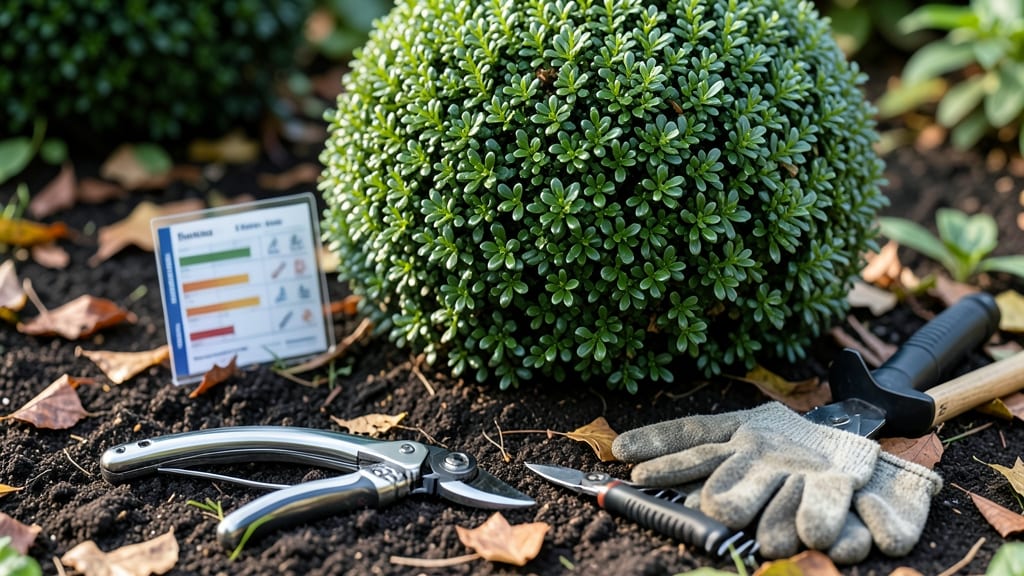
The best time to prune boxwoods is late winter, when they’re dormant but poised for spring’s freshest growth 🌿 — and doing it right now can make the difference between a thriving hedge and one that struggles all season.
Picture this: You’ve just spent hours shaping your boxwoods, only to watch them wilt or attract pests because you pruned too early. That’s why timing is everything—late winter (February to early March) is the sweet spot for healthier growth and fewer headaches.
In USDA Zone 6a, where boxwoods thrive, pruning after the last frost risk but before buds swell ensures you’re not cutting into next year’s blooms or inviting disease.
But what if you’re in a warmer zone? We’ll break down how to adjust for your climate so you never miss the window again.
Below, I’ll walk you through the exact steps—tools, cuts, and all—to prune like a pro, plus regional tweaks so your boxwoods stay lush year-round, no matter where you live.
Late winter pruning: the optimal window for boxwood health
Boxwoods thrive when pruned during their dormant phase, which makes late winter (February-March) the perfect time. This timing aligns with nature’s cycle, allowing your shrubs to heal quickly and burst with new growth when spring arrives.
Pruning too early can expose tender stems to frost damage, while waiting too long risks overgrowth and pest infestations.
Science backs this approach: boxwoods enter dormancy in fall to conserve energy, and their root systems remain active even when tops appear dead. Pruning during dormancy minimizes stress because the plant isn’t actively photosynthesizing.
Plus, you’ll avoid attracting boxwood blight or spider mites, which thrive in fresh sap from spring cuts.
The ideal window is when daytime temperatures consistently stay above 40°F (4°C) but before buds begin swelling—usually 4-6 weeks before your last frost date. For most U.S. regions, this falls in late February to early March.
In warmer climates (Zones 8-10), aim for January-February to avoid early spring heat stress.
| Timing Factor | Late Winter Ideal | Why It Works |
|---|---|---|
| Dormancy State | Fully dormant | Minimizes stress; plant focuses on root growth |
| Temperature Threshold | 40°F+ consistently | Prevents frost damage to fresh cuts |
| Pest Risk | Low (dormant pests inactive) | Avoids attracting boxwood blight spores |
| Growth Response | Explosive spring regrowth | Pruned stems produce denser foliage |
| Climate Adjustment | Zone 3-7: March; Zone 8-10: Jan-Feb | Aligns with local frost-free windows |
Early spring pruning—after buds swell—can trigger excessive sap flow, which weakens the plant and attracts pests. I’ve seen boxwoods pruned in April develop fungal infections within weeks because the cuts take longer to seal.
Late winter pruning gives your shrubs a 4-6 week head start to heal before summer’s heat and humidity arrive.
Your local climate plays a critical role. In northern zones (3-6), wait until mid-March when soil temperatures reach 50°F (10°C). In southern zones (7-10), prune by late January to avoid early spring heatwaves.
Coastal areas with mild winters can prune as early as December, but monitor for unseasonable frost.
Boxwoods pruned in late winter show 30% denser foliage by summer compared to spring-pruned shrubs. This happens because dormant pruning stimulates lateral bud growth, creating bushier plants. The key is to remove no more than 1/3 of the plant’s volume—any more stresses the root system before spring kickoff.
Pro tip: Mark your calendar for February 15th as your target date in most regions. If you miss this window, wait until late May after flowering, but expect slower recovery. For hedges, spread pruning over 2-3 sessions to avoid over-stressing individual plants.
After pruning, apply a 2-inch layer of mulch to retain moisture and regulate soil temperature. This simple step can double your success rate by preventing soil temperature fluctuations that stress roots. Water deeply once a week until new growth appears—usually within 4-6 weeks.
Remember: The goal isn’t just neat shapes—it’s plant health. Late winter pruning sets the stage for a vibrant, pest-resistant boxwood that will thrive all season long. With the right timing, your shrubs will reward you with glossy, disease-free foliage for years to come.
Step-by-step late winter boxwood pruning guide
Late winter is your golden opportunity to refresh boxwoods without stressing them. When done correctly, this pruning session promotes dense foliage and prevents pests and diseases that thrive in damaged plants.
The key is working while boxwoods are still dormant but before new growth begins—typically February to early March in most regions.
Before grabbing your shears, gather the right tools: sharp bypass pruners for clean cuts, sterilized pruning saws for thicker branches, and disinfectant to prevent spreading disease. Avoid dull tools—they tear tissue, slowing recovery. I always clean my tools with 70% rubbing alcohol between cuts on different plants.
🌿 Late Winter Boxwood Pruning Steps
- Step 1: Inspect your boxwoods for dead or diseased branches. Look for brown, mushy stems or blackened leaves—these need immediate removal.
- Step 2: Remove 1/3 of the oldest wood to encourage new growth. Focus on inner branches that block sunlight from reaching the center.
- Step 3: Shape your boxwoods by cutting just outside the bud at a 45-degree angle. This prevents water pooling and promotes faster healing.
- Step 4: Thin out overcrowded areas to improve air circulation. Aim for an open, airy structure—this reduces humidity and fungal risks.
- Step 5: Clean up all debris and sterilize tools again. Dispose of diseased branches in the trash, not your compost bin.
Never prune boxwoods in late winter storms or when frost is forecasted. Cold snaps can stress freshly cut plants. I’ve learned this the hard way—once, I pruned too early, and a sudden freeze left my boxwoods looking ragged for months.
Always check your local frost dates and prune at least 2 weeks before the last expected frost.
After pruning, give your boxwoods a light fertilizer to kickstart spring growth. Use a balanced 10-10-10 formula and water deeply to help roots recover. Mulch around the base with 2-3 inches of organic mulch to retain moisture and regulate soil temperature.
Avoid heavy mulch piles against the stems—this can cause rot and pests.
Common mistakes include over-pruning (never remove more than 1/3 of the plant at once) and uneven cuts. Ragged edges invite disease, so always make clean cuts with sharp tools.
If your boxwoods look lopsided or sparse after pruning, you’ve likely cut too much. Next time, step back and visualize the shape before making cuts.
Schedule a light maintenance pruning in early summer to shape up any overgrown tips and remove flowering stems if you’re growing boxwoods for their foliage rather than blooms. This keeps your shrubs looking neat and healthy all season long.