
How To
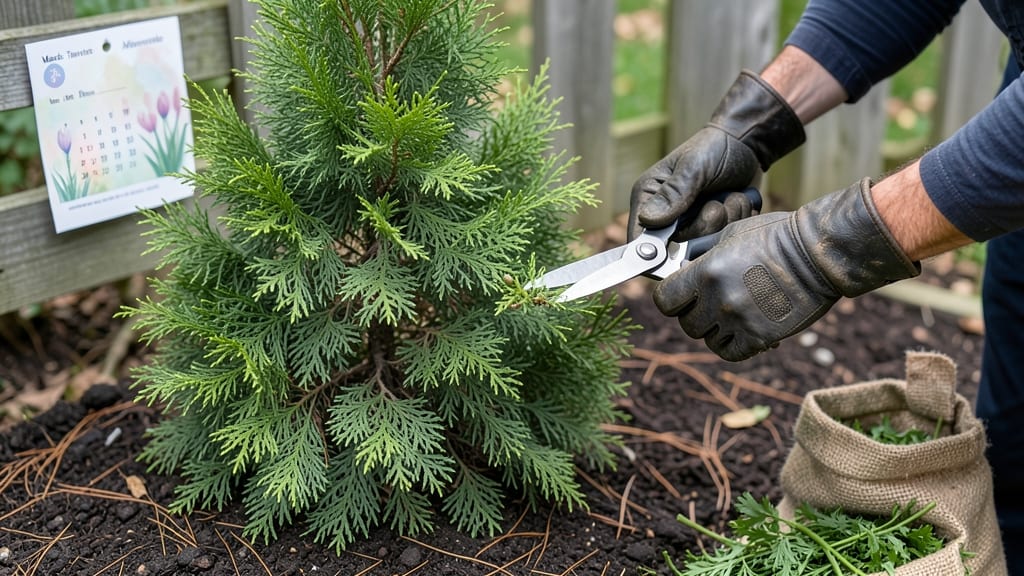
Pruning arborvitae at the right time ensures healthier growth and a fuller shape—and late winter is the best time to do it.
Picture this: You’ve spent years nurturing your 🌲 arborvitae, only to prune it at the wrong time and end up with stunted branches or worse, pest-infested damage. That’s why timing matters more than you think.
When you prune arborvitae in late winter—between February and early March—you’re working with a dormant plant, which means less stress and faster recovery. This is when the tree is ready to bounce back with new growth, setting the stage for a thriving season ahead.
In this guide, I’ll walk you through the exact steps to prune your arborvitae for maximum growth, including when to stop, what tools to use, and how to avoid common mistakes that could leave your tree looking ragged.
Why late winter is the optimal time to prune arborvitae
Pruning your arborvitae at the wrong time can trigger stress responses that weaken its defenses, leaving it vulnerable to pests and diseases. The key to vibrant, healthy growth lies in understanding why late winter—specifically February or early March—is the golden window for pruning.
This dormant season timing minimizes stress and maximizes recovery, setting the stage for explosive spring growth.
When you prune during dormancy, your arborvitae isn’t expending energy on new leaves or flowers—its focus is on root development and bud formation. This means less shock and faster healing compared to pruning in summer, when the plant is already working hard to sustain foliage.
Think of it like giving your evergreen a head start on the growing season.
The perfect late winter pruning window is just before new buds swell, typically 4-6 weeks before your last frost date. For most U.S. regions, this falls between mid-February and early March.
In warmer climates (Zones 8-10), you might extend this to late winter or early spring—but never after buds break, or you risk stunted growth and pest attraction.
Scientifically, pruning in late winter aligns with your arborvitae’s natural hormonal cycles. The plant’s auxin production (a growth hormone) ramps up in early spring, but pruning too early can disrupt this process.
Waiting until just before bud break ensures you’re cutting at the right moment to stimulate dense foliage without shocking the system.
Another critical reason for late winter pruning is pest prevention. Many arborvitae pests, like spider mites and bagworms, are less active in cold weather. Pruning in late winter removes potential hiding spots before these pests become a problem.
Plus, fresh cuts heal faster in cooler temps, reducing entry points for fungal infections like cytospora canker.
Climate plays a huge role in timing. In cold northern regions (Zones 3-6), aim for late February when soil is still frozen but air temps are above freezing.
In mild southern climates (Zones 7-10), you can prune as late as March or even early April, but always check for bud swell first. The rule of thumb? Prune when you can see buds but they’re still firm—not swollen or green.
Here’s what happens if you prune at the wrong time: Summer pruning can burn foliage in intense sun, while spring pruning (after buds break) can encourage weak, leggy growth. Even worse, late summer pruning leaves your arborvitae vulnerable to winter dieback because it can’t recover before cold sets in.
Late winter is the sweet spot for balancing health and aesthetics.
One common misconception is that you should prune arborvitae in early spring for maximum growth. While spring is great for fertilizing, pruning then can actually delay new growth by 4-6 weeks.
The energy your plant uses to heal from cuts could’ve gone toward root expansion and bud development instead. Late winter pruning lets you shape your tree without sacrificing its growth potential.
| Timing Factor | Late Winter Advantage | Risk of Wrong Timing |
|---|---|---|
| Dormancy Status | Plant is fully dormant, minimizing stress. | Stunted growth if pruned after buds swell. |
| Pest Activity | Pests like bagworms are inactive. | Increased pest infestations if pruned in summer. |
| Healing Speed | Cuts heal 2x faster in cool temps. | Fungal infections from slow healing in summer. |
| Growth Stimulation | Encourages dense foliage in spring. | Leggy growth if pruned too late in spring. |
| Climate Adaptability | Works in Zones 3-10 with adjustments. | Winter dieback if pruned in late summer. |
To spot the perfect pruning window, look for these signs: Bud scales should be tight (not separating), and the tips of branches should still be brown. If you see green tips or swollen buds, it’s too late—wait until next winter.
Pro tip: Use a magnifying glass to check buds on Green Giant varieties, as their buds are tiny and easy to miss.
For mature arborvitae (over 10 years old), late winter is also ideal for rejuvenation pruning. This involves removing up to 1/3 of the oldest wood to encourage new growth from the base.
However, never remove more than 25% of foliage in a single year, or you risk sun scorch and dehydration. Always prune in stages if heavy shaping is needed.
Remember, the goal of late winter pruning isn’t just aesthetics—it’s about setting your arborvitae up for success in the growing season. By timing your cuts right, you’ll see fuller branches, fewer pests, and healthier roots by summer. And the best part? Your tree will thank you with vibrant green foliage
Step-by-step late winter arborvitae pruning guide for maximum growth
Late winter is your best window to prune arborvitae because the tree is dormant, reducing stress and preventing disease. Look for swollen buds but no active growth—this is your cue to act. Pruning now encourages vigorous spring growth while maintaining your arborvitae’s natural shape.
Your tools matter: grab sharp bypass pruners for clean cuts and a hand saw for thicker branches. Always sterilize tools with rubbing alcohol to avoid spreading pathogens. Skipping this step can lead to fungal infections or pest infestations, so never skip it!
| Variety | Pruning Technique | Best Time to Prune | Key Notes |
|---|---|---|---|
| Green Giant | Thinning cuts (remove 1/3 of oldest branches) | Late February to early March | Tolerates heavier pruning; focus on inner branches |
| Emerald Green | Light shearing (shape outer edges) | March (after last frost) | Sensitive to over-pruning; keep cuts minimal |
| Both Varieties | Avoid cutting into old wood | Never prune in summer or fall | Old wood won’t regrow; stick to new growth |
Start by removing dead, diseased, or crossing branches first—these are your top priorities. Next, thin out 1/3 of the oldest branches to improve airflow and sunlight penetration. For Green Giant varieties, you can be bolder with cuts, while Emerald Green needs gentler shaping to avoid stress.
Never cut into old, woody growth—this won’t regrow and can harm your tree. Always cut just above a healthy bud or branch collar. If you’re unsure, snap the branch and look for green cambium layer—this indicates live wood ready for pruning.
After pruning, apply a light layer of mulch around the base to retain moisture and protect roots. Water deeply but avoid soaking the foliage to prevent fungal diseases. Monitor your arborvitae for new growth in spring—a sign your pruning was successful!
For large arborvitae, consider hiring a professional if the tree exceeds 15 feet tall. Over-pruning can lead to sunburn or pest issues, so when in doubt, prune less. Your goal is to encourage growth, not stress the plant.