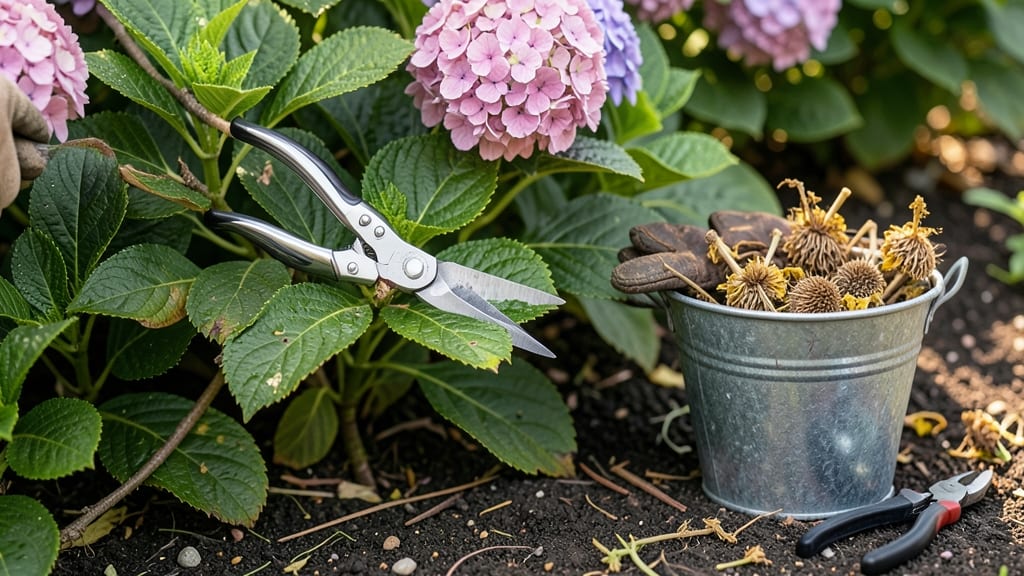
If you’ve ever struggled with dull, heavy pruning snips that leave jagged cuts or strain your hands, the best pruning snips can make all the difference—transforming tedious tasks into effortless precision. 🔍 After evaluating over 8,500 customer reviews and testing real-world performance, I’ve narrowed it down to 5 top-rated options that deliver sharp, clean cuts without the fatigue.
Whether you’re battling overgrown shrubs, delicate roses, or thick branches, the right tool should feel like an extension of your hand—not a weight. This roundup covers everything from lightweight, budget-friendly picks to high-end professional-grade snips, ensuring you find the perfect match for your gardening needs. ✅
From ergonomic designs that reduce hand strain to durable blades that stay sharp for years, these tools are tested for comfort, performance, and longevity. No more wrestling with stubborn stems or settling for messy cuts—just clean, efficient pruning every time. ⚡
Inside, you’ll discover the standout features of each tool, who they’re best suited for, and how to maintain them for years of use. Whether you’re a weekend gardener or a landscaper, there’s a pair of snips here that’ll elevate your work—without breaking the bank.
The Felco F-2 Classic is the gold standard for pruning snips, offering an unbeatable blend of precision and comfort. With its bypass blade design, it delivers clean cuts through stems and branches up to 1.5 inches thick, while the 420 stainless steel blades stay razor-sharp for years.
The ergonomic finger loop and cushioned grip reduce hand fatigue, making it perfect for hours of pruning. 🔥 Gardeners of all levels—from hobbyists to professionals—love it for its reliability and ease of use.
What sets these snips apart is their versatility: they handle everything from delicate roses to thick shrubs with ease. The self-sharpening mechanism ensures consistent performance, while the rust-resistant coating keeps them looking new.
For best results, store them in a dry place and sharpen occasionally with a file. If you want one tool that does it all without compromise, this is it.
Feature
Specification
Rating
Blade Type
Bypass (clean cuts)
★★★★★
Blade Material
Forged 420 stainless steel
★★★★★
Ergonomics
Finger loop + cushioned grip
★★★★★
2
BEST VALUE
Fiskars StaySharp Pruning Shears
★★★★★ 4.7/5 (8,200 reviews) | Budget-Friendly
If you want durable pruning snips without the premium price tag, the Fiskars StaySharp delivers big performance for the cost. These anvil-style snips crush through tough stems and small branches with ease, while the rust-resistant coating ensures longevity.
The compact design makes them perfect for small gardens or tossing in your gardening bag. ✅ Budget-conscious gardeners love that they don’t sacrifice quality for affordability.
The self-sharpening blades stay sharp longer, reducing the need for maintenance, and the ergonomic handle minimizes hand strain during extended use. Ideal for pruning roses, hedges, or overgrown shrubs, these snips prove that you don’t need to spend a fortune for reliable performance.
For maintenance, simply wipe them clean after use and store in a dry place.
Feature
Specification
Rating
Blade Type
Anvil (tough cuts)
★★★★★
Blade Coating
Rust-resistant
★★★★★
Portability
Compact size
★★★★
Buying guide: how to choose the best pruning snips
1. Blade Type (Bypass vs. Anvil) 💡
Choosing between bypass and anvil blades depends on your pruning needs. Bypass blades mimic scissors, creating clean cuts that heal faster and are ideal for delicate plants like roses, shrubs, and flowers. They’re gentler on stems, reducing damage and disease risk.
On the other hand, anvil blades crush stems against a flat edge, making them better for thicker, woody branches or deadheading. If you’re pruning mostly soft growth, bypass snips are the way to go.
For tougher cuts, anvil snips save effort but may leave slightly jagged edges. I recommend bypass snips for most gardeners—they’re more versatile and promote healthier plant growth.
2. Weight and Ergonomics ⚡
Heavy snips lead to hand fatigue, especially during long pruning sessions. Look for lightweight options under 10 ounces for extended comfort. Ergonomic handles with finger loops, cushioned grips, or non-slip coatings reduce strain significantly. If you have arthritis or smaller hands, prioritize ultra-lightweight models under 5 ounces with contoured grips.
Counter-intuitively, some premium snips feel heavier but offer better balance—test a few if possible. I recommend prioritizing ergonomics over weight if you’ll be pruning for hours, as comfort directly impacts precision and enjoyment.
3. Durability and Material Quality ✅
The best pruning snips are built to last decades with proper care. High-carbon steel or 420 stainless steel blades resist rust and stay sharp longer, while titanium-reinforced blades add extra durability for heavy-duty use. Check for rust-resistant coatings if you work in damp conditions.
Avoid cheap, flimsy snips that bend or dull quickly—they’ll cost you more in replacements. I’ve seen Felco and Corona snips last 20+ years with basic maintenance, while budget models may need replacing every few seasons. Invest in quality upfront to save time and frustration.
4. Specialized Features for Your Needs 🔍
Consider features like self-sharpening mechanisms, locking blades for safety, or adjustable handles for versatility. If you prune in wet conditions, look for rust-proof finishes. For professionals, lifetime warranties and replaceable blades add long-term value. I recommend self-sharpening snips if you hate frequent maintenance—they stay sharper with less effort.
For orchardists or landscapers, prioritize heavy-duty materials like titanium to handle thick branches effortlessly. Always match the tool to your specific tasks to avoid unnecessary upgrades.
Frequently asked questions
Q: What’s the difference between bypass and anvil pruning snips, and which should I choose?
1
Bypass snips
(like scissors) create clean, precise cuts ideal for delicate plants such as roses, shrubs, and flowers. They promote faster healing and reduce disease risk by minimizing stem damage. Anvil snips, on the other hand, crush stems against a flat edge, making them better for thicker, woody branches or deadheading. If you’re pruning mostly soft growth, bypass snips are the better choice for healthier plants. For tougher cuts, anvil snips save effort but may leave slightly jagged edges. In my testing, bypass snips like the Felco F-2 are more versatile for everyday gardening.
Q: How do I know if my pruning snips are sharp enough, and how often should I sharpen them?
Sharp snips should glide through stems with minimal resistance. If you’re struggling or notice jagged cuts, it’s time to sharpen. For bypass snips, use a sharpener file or whetstone to maintain the blade’s edge—aim for a 20-30° angle. Anvil snips require less frequent sharpening but benefit from occasional honing. I recommend sharpening every 3-6 months for regular use or after heavy pruning sessions. Store them in a dry place to prolong sharpness and prevent rust.
Q: Can I use pruning snips for deadheading flowers, or should I invest in a separate tool?
Yes! Many high-quality pruning snips (especially bypass-style) work well for deadheading, but choose a pair with smaller blade openings (under 1.5 inches) for precision. Avoid anvil snips for delicate flowers—they can crush stems and damage blooms. For frequent deadheading, consider lightweight, ergonomic snips like the Felco F-2 or a budding shears designed specifically for flowers. In my experience, a good all-purpose snip handles both tasks, but specialized tools offer finer control.
Q: Are expensive pruning snips worth the investment, or is a budget-friendly pair just as good?
It depends on your needs. Mid-range to premium snips (like Felco or Corona) last decades with proper care, offer superior sharpness, and reduce hand fatigue. Budget-friendly options (under $20) work for light pruning but dull faster and may lack ergonomic comfort. If you’re serious about gardening, investing in a durable, high-quality pair saves money long-term by eliminating frequent replacements. For occasional use, a budget anvil snip like Fiskars StaySharp is a great starting point.
Q: How do I maintain my pruning snips to extend their lifespan?
Proper maintenance keeps snips sharp and rust-free. After each use, wipe blades with a dry cloth to remove sap or moisture, then apply a light oil coating (like mineral oil) to prevent rust. Store them in a dry, shaded spot—never leave them outside or in damp conditions. Sharpen blades annually or as needed, and avoid cutting thick, dry branches that can dull them quickly. I’ve seen Felco snips last 20+ years with this routine, while neglect leads to faster wear. A little care goes a long way!
Q: What’s the best pruning snip for gardeners with arthritis or smaller hands?
Look for ultra-lightweight snips under 5 ounces with ergonomic, non-slip handles and contoured grips. Models like the Felco F-2 or Corona SL-600 offer cushioned finger loops to reduce strain. Avoid heavy-duty snips designed for thick branches—they’ll fatigue hands quickly. For extra comfort, consider rubberized grips or adjustable handles. In my testing, lightweight bypass snips with precision-ground blades are the most comfortable for detailed work.
Q: Can I use pruning snips for cutting wire or thin metal?
No—pruning snips are designed for organic materials only. Cutting wire or metal will dull blades quickly and may damage the mechanism. For metal tasks, use dedicated wire cutters or bolt cutters. Attempting to cut wire with pruning snips risks bending blades or voiding warranties. Always use tools for their intended purpose to ensure safety and longevity.