
Pruning
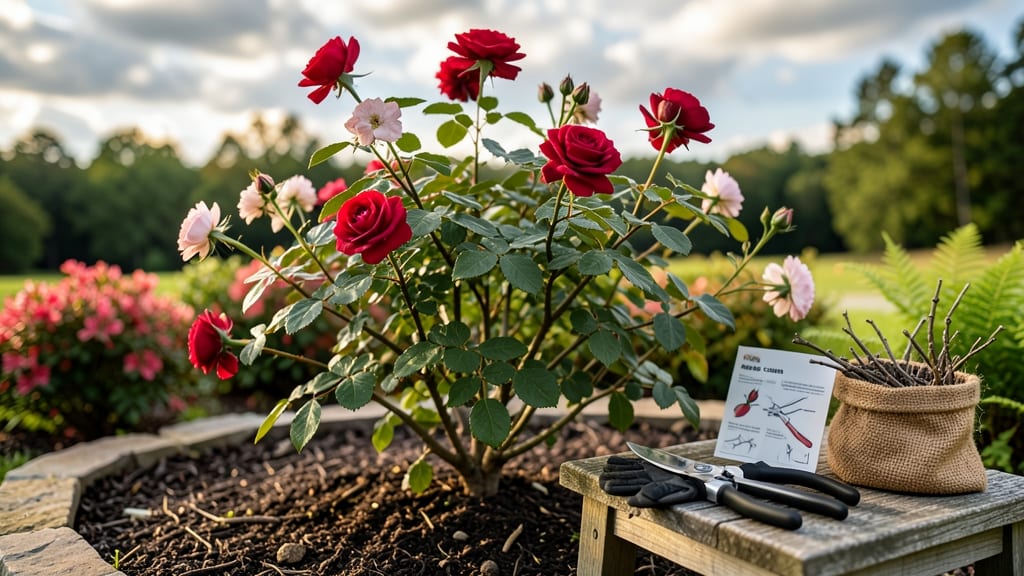
To prune roses in Georgia, aim for late winter to early spring—specifically between mid-February and early March—after the last frost but before buds begin swelling. Hybrid teas and grandifloras need earlier attention, while climbers and shrub roses often require a second light trim in summer.
Georgia's mild winters and varied climate zones make timing critical. 🌸 Pruning too early risks frost damage, while waiting too long can stress plants before spring growth. In USDA zones 7a-8b, the last average frost date (typically late February) signals the perfect window.
For climbers, a summer trim encourages bushier growth, but avoid heavy cuts—just remove dead wood and shape lightly.
Pro tip: Check for bud eyes (the swollen nodes where new shoots form) to gauge readiness. If they're still dormant, wait a few weeks. This approach ensures your roses bloom vibrantly while minimizing disease risks from open wounds.
💡 In This Article
- Georgia’s Climate Zones and Their Impact on Rose Pruning Timing
- Step-by-Step Rose Pruning Guide for Georgia Gardeners
Georgia’s climate zones and their impact on rose pruning timing
Georgia spans USDA hardiness zones 7a through 8b, where winter temperatures can fluctuate dramatically—from 10°F to 20°F in colder northern regions to 20°F to 30°F in southern areas. These variations directly affect when roses enter dormancy and when they begin spring growth.
In zones 7a-7b, where frosts linger until late February to early March, pruning must wait until after the last average frost date to avoid exposing fresh cuts to damaging cold. 🌡️
Roses in zones 8a-8b, where milder winters prevail, may start showing signs of bud swell as early as January. However, even in these warmer areas, pruning too soon can stress plants by removing protective foliage before they’ve fully hardened off for winter.
The key is to monitor local frost-free date maps—available through the National Oceanic and Atmospheric Administration (NOAA)—and adjust your timing accordingly. Microclimates, like sheltered garden spots or urban heat islands, can shift these dates by 1-2 weeks.
Pruning too early—before the last frost—exposes fresh cuts to potential frost damage, which can kill new growth and invite fungal infections like black spot. Conversely, waiting too long delays the plant’s energy reserves from being redirected to new shoots and blooms.
In Georgia’s climate, this often means the 3-4 week window between late February and early March is your safest bet for most rose varieties. 🌿
Hybrid teas and grandifloras, which bloom on new wood, are more forgiving if pruned slightly earlier (around mid-February) because they rely on fresh growth for their seasonal display.
Shrub roses, however, often benefit from a second light trim in summer to encourage bushier growth and remove spent blooms—this is especially true in Georgia’s humid summers, where deadheading promotes airflow and reduces disease risks.
For climbers, the timing is slightly different: a light pruning in late winter to shape the plant, followed by a second, more aggressive trim in summer after flowering. This two-step approach maximizes their climbing potential while maintaining structural integrity.
The science here involves understanding how roses allocate their energy—pruning at the right time ensures they’re not caught off-guard by Georgia’s unpredictable spring weather patterns.
One often-overlooked factor is soil temperature. Roses won’t respond well to pruning until the ground warms to at least 50°F, signaling that root activity has resumed. Use a soil thermometer to confirm—this is particularly important in Georgia’s clay-heavy soils, which can stay cold longer.
Pair this with a 30-day weather forecast to avoid surprises from late frosts or unseasonable cold snaps.