
How To
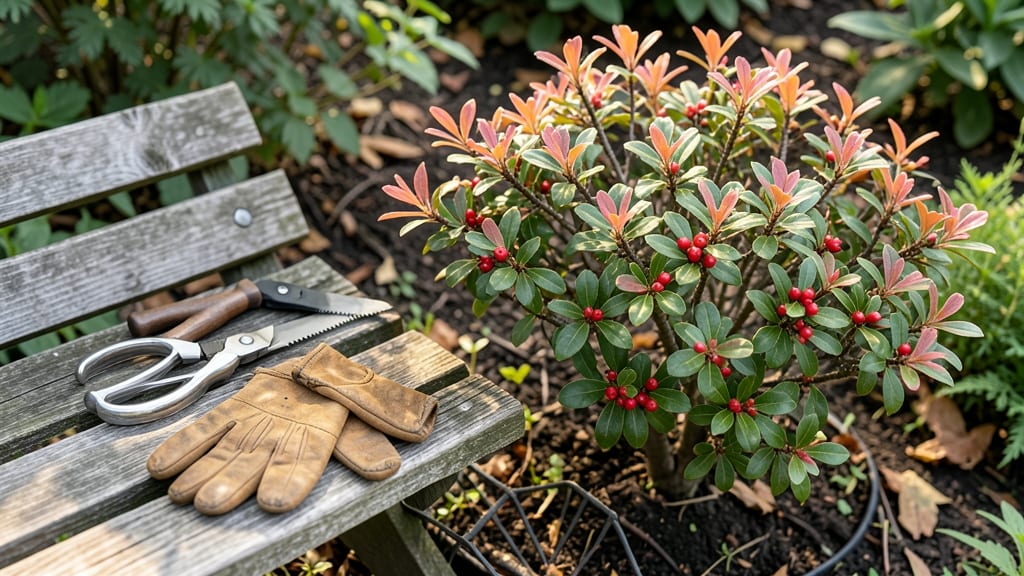
To prune barberry at the right time means catching it in its dormant season—typically late winter or early spring—before the first flush of new growth 🌿.
Struggling to decide when to prune your barberry bushes? Timing is everything—prune at the wrong season, and you risk stunted growth, disease, or even losing your plant entirely. But get it right, and you’ll unlock a denser, healthier canopy that thrives year-round.
Most gardeners in USDA Zone 6a should aim for March or April, just as buds begin to swell but before leaves emerge. This window ensures your cuts promote vigorous spring growth while avoiding the stress of summer pruning.
Below, I’ll walk you through the exact steps, the tools you’ll need, and the three biggest mistakes that can turn a good pruning session into a disaster. Ready to give your barberry the care it deserves?
Best time to prune barberry: late winter vs. early spring dormancy
Pruning your barberry bushes at the right time can transform your garden—promoting denser foliage, better airflow, and healthier growth. But timing matters more than you might think. Prune too early, and you risk frost damage or stunted blooms.
Prune too late, and you disrupt the plant’s natural spring awakening. The sweet spot? Late winter to early spring, just as the plant emerges from dormancy but before new growth begins.
Barberries thrive when pruned during their dormant season, a period when the plant conserves energy and hasn’t yet directed resources to new leaves or flowers. This window—typically February through early April—gives you the perfect opportunity to shape your shrubs without stressing them.
In colder climates, aim for late winter (after the worst frost has passed but before buds swell). In milder regions, early spring (just as buds begin to form) is ideal.
Why does dormancy matter? When barberries are dormant, they’re less vulnerable to disease and stress. Pruning during this time encourages stronger root systems and prepares the plant for the growing season ahead.
Plus, removing dead or weak stems in winter prevents pests and pathogens from taking hold as temperatures rise. Think of it as giving your barberry a fresh start before the busy growing season begins.
But how do you know exactly when to prune? Look for these key signs: bare branches with no leaves, dormant buds that haven’t yet swollen, and frost-free forecasts for the next 1-2 weeks. In USDA Zone 6a (like where I garden), this usually falls in late March.
If you’re in a warmer zone, like Zone 8, you might prune as early as February. Always check your local frost dates to avoid cutting too soon.
When to Prune Barberry: Late Winter vs. Early Spring
| Timing | Climate Zone | Key Signs | Benefits |
|---|---|---|---|
| Late Winter | Cold (Zones 3-6) | Bare branches, no buds, frost-free forecast | Reduces frost damage risk, promotes early growth |
| Early Spring | Mild (Zones 7-9) | Bud swell begins, no active growth | Encourages vigorous spring blooms, prevents overgrowth |
| Avoid: Summer/Autumn | All Zones | Active growth, blooming, or late-season stress | Increases disease risk, weakens plant |
If you’re in a warmer climate, like southern California or Florida, you might see barberries start to wake up earlier. In these areas, prune in January or February to avoid cutting into new growth.
The goal is always the same: prune just before the plant gears up for spring, not after. For example, if you notice buds swelling in late February, that’s your cue to grab your shears and get pruning before they burst open.
One common mistake I see is pruning too aggressively in late winter. Barberries are resilient, but over-pruning can stress the plant, especially in cold climates. Aim to remove no more than 25-30% of the plant’s volume in a single session.
Focus on dead or crossing branches, as well as any stems that are weak or diseased. This keeps the shrub’s energy balanced for the growing season ahead. Pro tip: If you’re unsure, start with light pruning and reassess in a few weeks.
What about flowering barberries? If your variety blooms in spring, time your pruning to avoid cutting off next year’s flowers. Most barberries flower on old wood, so prune immediately after blooming if you want to preserve flowers.
However, if you’re growing a non-flowering cultivar, you have more flexibility to prune in late winter. Always research your specific barberry variety—some, like Berberis thunbergii, are more forgiving than others.
Finally, don’t forget that regional microclimates play a role. A sheltered spot in your garden might warm up faster than the rest, causing buds to swell earlier. Pay attention to your barberry’s unique environment.
If you’re in a coastal area with milder winters, you might prune a month earlier than someone inland. The key is to observe your plant and adjust your timing accordingly. With practice, you’ll develop a keen eye for the perfect pruning window.
Pruning at the right time isn’t just about aesthetics—it’s about long-term plant health. When done correctly, your barberry will reward you with lush foliage, vibrant color, and fewer pests.
So mark your calendar, watch for those dormant buds, and get ready to give your shrubs the fresh start they deserve this season. Your garden will thank you! 🌿
Step-by-step guide to pruning barberry for maximum canopy health
Pruning your barberry bushes isn’t just about shaping them—it’s about promoting airflow and preventing disease. The right technique ensures your shrub stays dense and vigorous, while the wrong approach can leave it vulnerable. Start with the correct tools and cutting angles to avoid damaging stems or inviting pests.
Before you begin, gather your pruning shears, sterilized tools, and gloves to protect both your plant and yourself. Barberry branches can be sharp, and clean cuts minimize stress on the shrub.
Focus on removing dead or diseased branches first, then shape the bush for optimal sunlight exposure and air circulation.
When to Prune Barberry: Seasonal Timeline
- Late Winter (February-March): Prune after the last frost but before bud break. This is the best time to remove deadwood and shape the bush while it’s dormant.
- Early Spring (March-April): Focus on structural pruning to encourage new growth. Avoid heavy pruning if buds are swelling, as this can stress the plant.
- Summer (June-July): Lightly deadhead spent blooms to promote continuous flowering. Never prune more than 10-15% of the bush in one session.
- Avoid Fall/Winter (October-February): Pruning during dormancy can stimulate late growth, making the plant vulnerable to frost damage. Skip unless removing dead branches.
When pruning, always cut just above a bud or branch junction at a 45-degree angle. This encourages healthy regrowth and prevents water from pooling on the cut. For structural pruning, remove branches that cross or rub against each other to reduce disease risk.
One of the biggest mistakes is over-pruning, which can weaken the shrub and delay flowering. Limit yourself to removing no more than 25% of the bush’s foliage in a single session.
Thin out the center of the bush first to improve airflow, then shape the outer edges for a neat, natural look.
After pruning, sterilize your tools with rubbing alcohol to prevent bacterial spread. Apply a light mulch around the base to retain moisture and protect roots during the growing season. Monitor your barberry for new growth within 4-6 weeks—this confirms your pruning was successful!
For seasonal maintenance, perform a light trim in late summer to shape the bush and remove any diseased stems. This keeps your barberry looking neat and healthy year-round while minimizing stress on the plant. 🌿