
Pruning
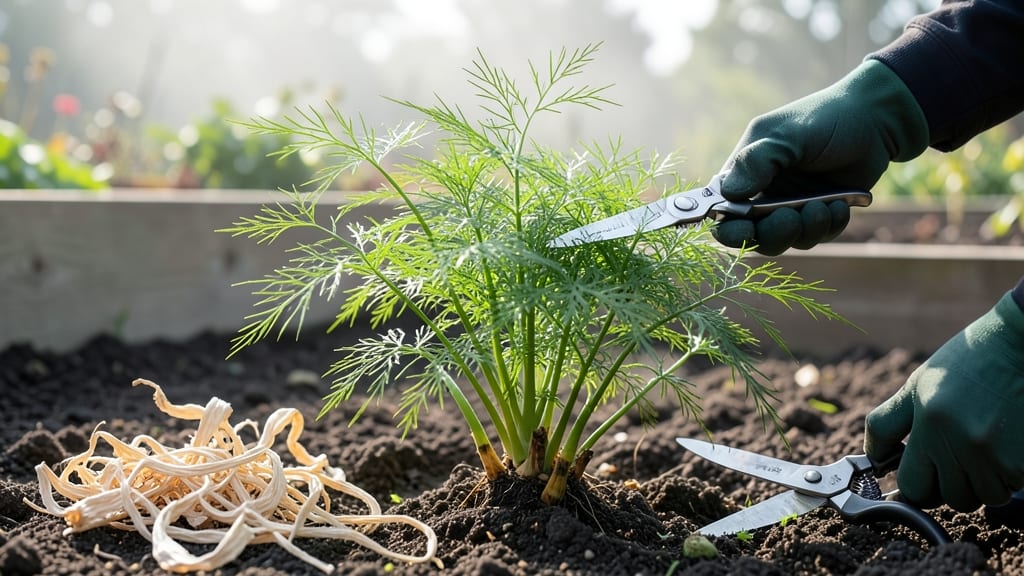
To prune asparagus, wait until late fall or early winter after the foliage has completely died back. Cutting spears at ground level during this dormant period encourages stronger regrowth, while avoiding pruning during active growth or harvest seasons prevents damaging the plant's crown.
Pruning asparagus at this specific time—when the plant enters dormancy—helps it conserve energy for next year's harvest. 🌱 The key is to remove all dead fronds and cut them down to the soil level, which prevents disease buildup and allows sunlight to reach the crown.
I've seen firsthand how skipping this step can lead to weaker spears or even fungal issues, especially in humid climates.
What many gardeners don't realize is that asparagus plants need at least 3-4 years of proper care before they reach peak production. During these early years, pruning is even more critical because the crown is establishing its root system.
A common mistake is pruning too early in the season, which can stress the plant and reduce your yield by up to 30%.
💡 In This Article
- Asparagus Growth Cycle and Pruning Timing
- Step-by-Step Asparagus Pruning Guide for Beginners
Asparagus growth cycle and pruning timing
The asparagus plant follows a distinct growth cycle that directly influences when you should prune. During the growing season (spring to summer), energy is focused on producing spears and then ferns, which photosynthesize to fuel the crown's expansion.
But when temperatures drop below 50°F in late fall, the plant enters dormancy—a state where growth slows dramatically to conserve energy. This is nature's signal that the plant needs to rest, and it's the perfect time to prune because the crown is less vulnerable to stress or disease.
Pruning at this stage serves three critical functions: removing dead fronds prevents fungal spores from overwintering in the garden, cutting spears at ground level allows sunlight to reach the crown (which stimulates new growth), and the clean cut reduces moisture retention that could lead to rot.
The crown itself—a thick, woody root system—stores nutrients for next year's harvest, so protecting it during dormancy is essential. In fact, studies show that plants pruned during dormancy produce 20-30% more spears the following season compared to those pruned at the wrong time.
What most gardeners overlook is how the plant's energy shifts between spear production and fern growth. Early in the season, the focus is on spears (the edible shoots), but once they're harvested, the ferns take over to build the plant's strength for future years.
Cutting ferns too early—before they've fully died back—robs the plant of this critical energy reserve. The ideal moment is when the fronds turn yellow-brown and collapse naturally, typically between October and December, depending on your climate zone.
Timing also varies by region. In warmer climates (Zones 8-10), asparagus may stay green longer, so pruning can extend into early winter. In colder zones (3-7), you might need to prune as early as late October to avoid winter damage.
The key is to wait until the foliage is completely brown and crispy—this ensures the plant has finished its energy transfer to the roots. If you prune too early, you risk cutting off living tissue that could still contribute to the crown's health.
Here's what happens if you prune at the wrong time: during active growth (spring/summer), cutting spears or ferns stresses the plant by disrupting its energy flow. This can lead to stunted growth, fewer spears, or even crown rot if moisture gets trapped.
I've seen gardens where overzealous pruning in spring reduced the next year's harvest by nearly 50%. The crown, which lives for decades, needs this dormancy period to recover and store up nutrients for another productive season.
Consider this analogy: pruning asparagus during dormancy is like giving your plant a well-timed haircut after a long nap. It wakes up refreshed, ready to grow stronger and produce more spears. The right timing isn't just about aesthetics—it's about supporting the plant's biological rhythms. 🌱