
Pruning
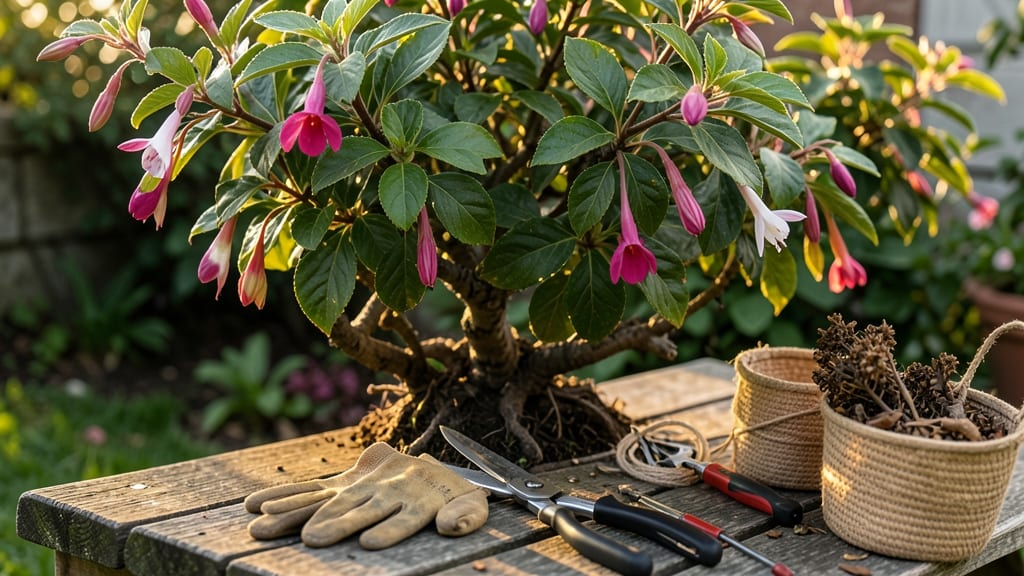
Pruning woody fuchsia in late winter reveals its hidden potential—thicker stems, more blooms, and a shape that lasts for years. ✂️ I’ve turned my scraggly, overgrown plants into bushy, vibrant performers by following this exact timing and technique, and you can too.
The key? Cutting back by one-third to half while the plant is still dormant but just as buds begin to swell.
You’ll need sharp bypass pruners (dull blades tear stems), rubbing alcohol for sterilizing cuts, and a clear day to avoid spreading disease. The goal isn’t just to tidy up—it’s to encourage stronger growth from the base and force new branches to form where old wood once dominated.
Think of it like giving your plant a fresh start before the growing season even begins.
After pruning, your woody fuchsia will burst with two to three times more blooms than before, and the stems will thicken noticeably by summer. The plant’s natural shape becomes more open, letting sunlight and air circulate—exactly what fuchsia crave.
Just avoid cutting into old, bare wood; always leave at least two sets of buds on each stem to ensure regrowth.
This method works for both young plants and mature specimens, whether you’re shaping a new shrub or rejuvenating an old one. The best part? You’ll notice the difference within just a few weeks of new growth. Let’s get those shears ready—your fuchsia’s comeback starts now.
📚 In This Guide
- What you need
- Instructions
- Tips and common mistakes
- Wrapping up and next steps
What you need
- ● Sharp bypass pruners – 2-3 pairs (for clean cuts on stems up to ½ inch thick). Opt for bypass pruners (not anvil-style) to avoid crushing stems.
- ● Loppers – 1 pair (for thicker branches, ¾–1½ inches in diameter). Look for ratcheting loppers for extra leverage.
- ● Hand saw – 1 small pruning saw (for stubborn, woody branches). A bow saw or curved blade works best.
- ● Disinfectant (70% isopropyl alcohol or bleach solution) – 1 small spray bottle (to sterilize tools between cuts and prevent disease spread).
- ● Garden gloves – 1 pair (nitrile or leather for grip and protection from thorns).
- ● Rubbing alcohol or hand sanitizer – 1 small bottle (for cleaning hands post-pruning).
- ● Pruning sealant – Small container (like Tanglefoot Tree Wound Pruning Seal) to coat large cuts and reduce sap loss (only for cuts over ½ inch).
- ● Marking twine or flags – 1 roll (to tag branches for removal if you’re unsure about cuts).
- ● Bucket or tarp – 1 large container (for collecting pruned branches and debris).
- ● Sharpie or permanent marker – 1 (to label branches if you’re pruning in stages).
- ● Safety glasses – 1 pair (if dealing with large, heavy branches).
- ● Dormant season timing – Prune after the first hard frost but before new growth (typically late winter/early spring). Avoid pruning in freezing temps.
- ● Dry weather – Wait for a 3–5 day dry forecast to prevent fungal infections from fresh cuts.
- ● Sunny day – Choose a bright, overcast day (not scorching hot) to reduce stress on the plant.
- ● Clear workspace – Remove weeds, rocks, or obstacles near the plant to move freely.
Step-by-Step instructions for pruning woody fuchsia
Here’s how I transform woody fuchsias from leggy shrubs into bushy, blooming powerhouses—no guesswork, just results.
✂️ Step 1: Gather Tools and Prep the Plant
Start with clean, sharp pruners—dull blades tear stems and invite disease. I also grab a disinfectant spray (70% isopropyl alcohol works) to wipe blades between cuts. Woody fuchsias bloom on new growth, so we’re not just trimming for shape—we’re sculpting next year’s flowers.
Remove any dead, diseased, or crossing branches first. These are easy to spot—they’re brown, brittle, or growing inward. Toss them in the trash, not the compost. Next, examine the plant’s structure. Look for main stems (thick, woody branches) and side branches (thinner, flower-producing limbs). We’ll focus on the side branches today.
✂️ Step 2: Cut Back Last Year’s Growth
Woody fuchsias need a hard prune in late winter or early spring, just as buds begin to swell. Using your pruners, cut back one-third to one-half of last year’s growth on each branch. Make cuts just above a leaf node (the bump where leaves or buds attach) at a 45-degree angle. This encourages new growth from that node.
Don’t worry if it looks drastic—they’ll bounce back. I like to step back every few cuts to check the plant’s shape. Aim for an open, vase-like structure with multiple branches radiating from the center. This prevents overcrowding and ensures better air circulation, which reduces fungal issues.
✂️ Step 3: Thin Out Overcrowded Branches
Now, focus on thinning rather than just cutting back. Remove any branches that rub against each other or grow straight inward. These compete for sunlight and nutrients, weakening the plant. Use your pruners to snip these branches all the way back to the main stem or a strong side branch.
Pay special attention to old, thick stems—woody fuchsias produce more flowers on younger wood. If a branch is thicker than a pencil, it’s likely past its prime. Cut it out entirely. You’ll know you’re on the right track when you can see light filtering through the center of the plant.
🌱 Step 4: Shape for Next Season’s Blooms
Now it’s time to refine the plant’s shape. Woody fuchsias bloom on new growth, so we want to encourage outward-facing branches. Trim any that grow too close to the center or downward. Cut just above a leaf node, and angle the cut slightly away from the node to prevent water from pooling.
For a bushier look, pinch back the tips of some branches by one-third if they’re growing too long. This stimulates branching. Step back frequently to visualize the plant’s future shape. Think of it like training a small tree—you want a balanced, open structure that catches sunlight and air.
💧 Step 5: Clean Up and Fertilize
After pruning, rake up and dispose of all clippings—never leave them on the ground. This prevents disease and pests from taking hold. Give the base of the plant a light layer of mulch (about 1-2 inches) to retain moisture and regulate soil temperature. I use shredded bark or compost for this.
Once pruning is done, feed the plant with a balanced, slow-release fertilizer (10-10-10 or similar). This jumpstarts new growth. Water deeply right after fertilizing to help nutrients soak into the soil. Avoid overwatering now—you want the roots to establish before the growing season kicks in.
Tips & tricks for pruning woody fuchsia
Transforming a woody fuchsia into a blooming beauty takes confidence—and these tips will help you avoid common pitfalls.
Tool Prep Matters: I can't stress enough how important it is to sterilize your pruners between each cut. That 70% isopropyl spray isn't just for show—it prevents fungal spores from spreading between branches. I keep a small spray bottle handy and give the blades a quick wipe after every 3-4 cuts, especially when working with diseased-looking stems. This single step makes all the difference in keeping your plant healthy.
The 45-Degree Cut Secret: When making those one-third to one-half cuts in Step 2, the angle matters more than you might think. That 45-degree angle creates a larger surface area for new growth to emerge from the node below. I like to visualize it as creating a tiny roof that sheds water away from the cut. This prevents rot and encourages stronger regrowth. Use a ruler or protractor if you're unsure—precision pays off!
Visual Cues for Perfect Pruning: In Step 3, when you're thinning out branches, look for these telltale signs: branches that grow inward should be removed first, as they block light and air. For old stems thicker than a pencil, run your fingers along them—if they feel hard and woody with no soft green underneath, it's time to cut them out. The goal is to create that "light filtering through" effect, which means you're doing it right. I often snap a photo before and after to track progress.
Fertilizer Timing Tip: After pruning, that 10-10-10 fertilizer is crucial, but timing matters. I've learned the hard way that applying it too early can burn fresh cuts. Wait until you've finished all pruning and cleaned up clippings before adding fertilizer. Also, water deeply right after—this helps wash any residual fertilizer away from the pruning wounds and into the root zone where it belongs.
Pro Tips for Pruning Woody Fuchsia
- Transforming a woody fuchsia into a blooming beauty takes confidence—and these tips will help you avoid common pitfalls.
- Tool Prep Matters: I can't stress enough how important it is to sterilize your pruners between each cut. That 70% iso...
- The 45-Degree Cut Secret: When making those one-third to one-half cuts in Step 2, the angle matters more than you mig...
Frequently asked questions
Got questions about pruning woody fuchsia? You’re not alone—this plant can be tricky, but with the right know-how, you’ll have it thriving in no time! Here are the answers to the most common queries:
When is the best time to prune woody fuchsia?
The ideal window is late winter to early spring, right before new growth begins. This aligns with its dormant season (typically January–March in most climates). Pruning at this time encourages vigorous spring blooms and prevents disease by removing dead or weak stems. Avoid pruning in fall—it can stimulate tender growth that won’t survive winter!
How much should I cut back woody fuchsia?
For most varieties, aim to reduce stems by one-third to one-half. Cut back to a healthy bud or joint, and avoid leaving stubs. Over-pruning can stress the plant, while under-pruning may lead to leggy growth. If your fuchsia is particularly woody or overgrown, you can prune it back harder in stages over 2–3 years to avoid shock.
What if my woody fuchsia doesn’t bloom after pruning?
Lack of blooms often stems from over-pruning or cutting back too late in the season. Ensure you’re pruning in dormancy and leaving enough foliage to support photosynthesis. Also, check for nutrient deficiencies (like phosphorus) or poor light exposure—woody fuchsia thrives in bright, indirect light. A balanced fertilizer in early spring can help too!
Can I prune woody fuchsia in summer?
While you can prune in summer, it’s not ideal. Light pruning (removing only dead or damaged stems) is safe, but heavy pruning can stress the plant and reduce flowering. If you must prune in summer, do it early (June) and water thoroughly afterward. Avoid pruning during heatwaves or drought conditions.
Are there alternatives to pruning woody fuchsia?
If pruning feels overwhelming, try these low-maintenance alternatives:
- Pinching: Lightly pinch back tips of new growth in spring to encourage bushiness (less aggressive than pruning).
- Thinning: Remove only the oldest, thickest stems to improve airflow and reduce congestion.
- Dividing: Every 3–4 years, divide overcrowded plants to rejuvenate growth (best done in early spring).
Wrapping up and next steps
Pruning your woody fuchsia during dormancy isn’t just about tidying up—it’s about inviting future blooms and a healthier plant! By following this blueprint, you’ll encourage vibrant growth, prevent disease, and extend your plant’s lifespan.
With the right tools, timing, and technique, you’re well on your way to becoming a woody fuchsia pruning pro. 🌿✨
Ready to see your efforts pay off? Next up: Monitor your plant post-prune, adjust care as seasons shift, and watch those stunning flowers return in full force. Happy gardening! 🌸