
Pruning
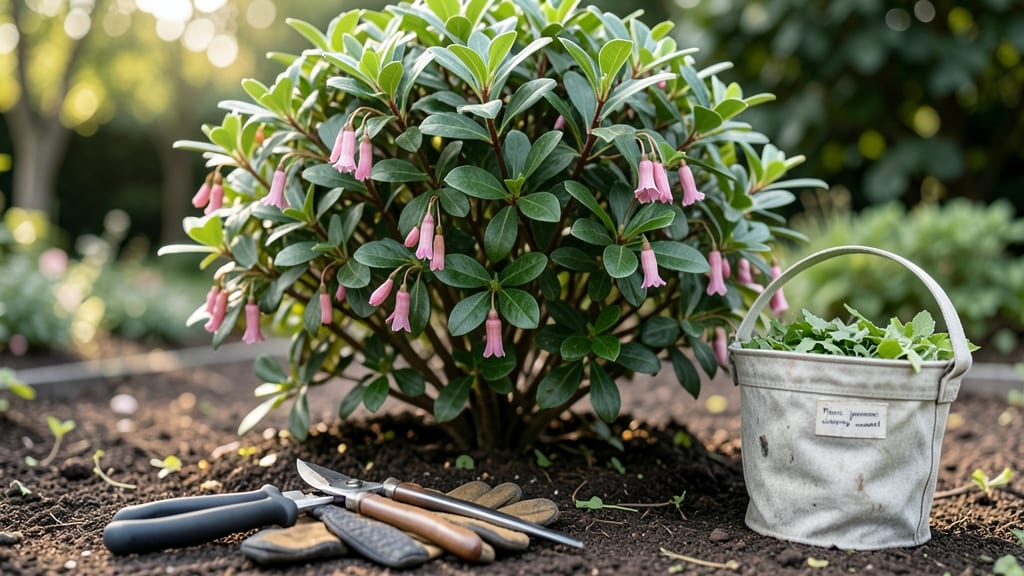
Pruning your pieris plant is the key to keeping it healthy, blooming, and looking its best year after year—but timing and technique matter more than you might think.
Picture this: You’ve just admired your Pieris’ stunning spring flowers, only to realize the branches are getting leggy or the center looks bare. That’s when pruning becomes a game-changer, but cutting at the wrong time can actually harm your plant or even rob you of next year’s blooms.
In this guide, I’ll walk you through the best times to prune your Pieris—whether it’s early spring or late winter—and the exact steps to shape it without sacrificing those iconic flowers. You’ll also learn what tools to use, how to spot common mistakes, and how to revive an overgrown shrub.
By the end, you’ll feel confident trimming your Pieris like a pro, ensuring it stays vibrant, full, and ready for another season of gorgeous blooms.
Best times to prune Pieris for maximum blooms & health
Pruning your Pieris japonica at the right time ensures vibrant spring blooms and healthy foliage growth throughout the year. Unlike many shrubs, Pieris blooms on old wood, meaning last year's growth produces this year's flowers.
This makes timing critical—cut too early, and you risk removing next year's flower buds.
Most gardeners focus on late winter to early spring pruning, but there are two key windows to maximize results. The first is just after flowering, while the second is a light maintenance trim in late summer. Understanding these seasonal cues helps you avoid common mistakes that can stress your plant.
| Pruning Time | Purpose | What to Cut | Avoid |
|---|---|---|---|
| Late Winter (Feb-March) | Shape plant, remove dead wood | Dead branches, crossing branches, 1/3 of oldest stems | Cutting flower buds (they form in late summer) |
| Early Spring (April) | Post-bloom cleanup | Spend flowers, lightly thin interior growth | Heavy pruning (wait until next winter) |
| Late Summer (August) | Encourage new growth | Light tip-pruning of new shoots | Removing more than 10% of foliage |
| Fall/Winter (Oct-Jan) | Dormant season (avoid) | Nothing (plant is dormant) | Pruning (can stimulate unwanted growth) |
Your first pruning window is late winter (February to early March), just as new growth begins but before flower buds swell. This is when you should remove dead, diseased, or crossing branches and thin out 1/3 of the oldest stems to encourage fresh growth.
Use clean, sharp pruners to make cuts at a 45-degree angle just above a bud or branch collar.
After your Pieris finishes flowering in late spring, avoid heavy pruning. Instead, focus on light cleanup by removing spent blooms and trimming overly dense interior growth to improve air circulation. This post-bloom maintenance keeps your plant looking tidy without risking next year's flowers.
Many gardeners overlook late summer pruning, but a light tip-pruning in August can encourage new growth that will develop flower buds for next spring. Simply trim back 10-15% of the new shoots to promote bushier growth.
This is also when you can shape the plant if needed, but avoid heavy cuts that could stress the shrub.
Never prune in fall or winter unless absolutely necessary. Pieris is dormant during these months, and cutting stimulates unwanted growth that won't harden off before winter. If you must prune in winter, limit it to removing dead wood only—no shaping or heavy cuts.
For young Pieris plants (under 3 years old), prune lightly to establish shape. Focus on removing dead branches and opening the center for better airflow.
Mature plants (over 5 years) can handle more aggressive shaping, but always limit cuts to no more than 1/3 of the plant's volume in any single season.
After pruning, apply a 2-3 inch layer of mulch around the base to retain moisture and regulate soil temperature. Water deeply to help the plant recover, and consider a balanced fertilizer (like 10-10-10) in early spring to support new growth.
If you miss the late winter window, don't panic. You can still prune in early spring, but avoid cutting back more than 20% of the plant.
The key is to never remove more than 1/3 of the plant in a single year, as this can shock the shrub and reduce flowering.
With the right timing, your Pieris will reward you with years of stunning spring blooms and lush, healthy foliage. Pay attention to seasonal cues and your plant will thrive—no heavy-handed pruning required! 🌿✂️🌷
Step-by-step Pieris pruning techniques for different goals
Pruning your Pieris japonica isn’t just about keeping it tidy—it’s about shaping it for healthier growth, more abundant blooms, or even rejuvenating an overgrown shrub. The key lies in understanding which technique aligns with your specific goal.
Whether you’re aiming for dense foliage, vibrant flowers, or a neater silhouette, each method requires a slightly different approach. Let’s break it down so you can achieve the look you love.
Before you grab your pruning shears, know that timing matters. For most pruning goals, late winter to early spring—just before new growth begins—is ideal. However, if you’re focusing on flower production, wait until after the blooms fade.
Always use sterilized tools to prevent disease spread, and never remove more than one-third of the plant in a single session to avoid stressing it.
🌿 Goal 1: Encourage Dense Foliage
- 1 Prune lightly in early spring: Focus on removing dead or crossing branches to improve airflow. This reduces competition for nutrients, allowing the plant to thicken its foliage.
- 2 Shape with selective cuts: Trim back overly long branches by up to one-third to encourage lateral branching. Avoid cutting into old wood, as new growth emerges from younger stems.
- 3 Fertilize after pruning: Apply a balanced fertilizer (10-10-10) to support new growth. Water deeply to help the plant recover and stimulate dense foliage.
🌸 Goal 2: Promote More Flowers
- 1 Wait until post-bloom: Prune after flowers fade (late spring) to avoid cutting off next year’s flower buds, which form on old wood.
- 2 Remove spent blooms: Deadhead faded flowers to redirect energy toward new bloom production. Use clean pruners to make cuts just above a leaf node.
- 3 Thin out crowded branches: Remove 2-3 oldest stems at the base to reduce competition and encourage larger, healthier blooms on remaining branches.
🌳 Goal 3: Rejuvenate an Overgrown Pieris
- 1 Prune in stages over 2-3 years: Never remove more than one-third of the plant in a single year. Focus on removing the oldest wood first to avoid shocking the shrub.
- 2 Cut back hard but strategically: For rejuvenation, trim 1/3 to 1/2 of the oldest stems down to 12-18 inches from the ground. This stimulates new growth from the base.
- 3 Mulch and water deeply: After pruning, apply a 2-3 inch layer of mulch to retain moisture and protect new growth. Water thoroughly to help the plant recover and establish a fresh canopy.
Visual cues are your best friend when pruning Pieris. Look for dead branches