
Pruning
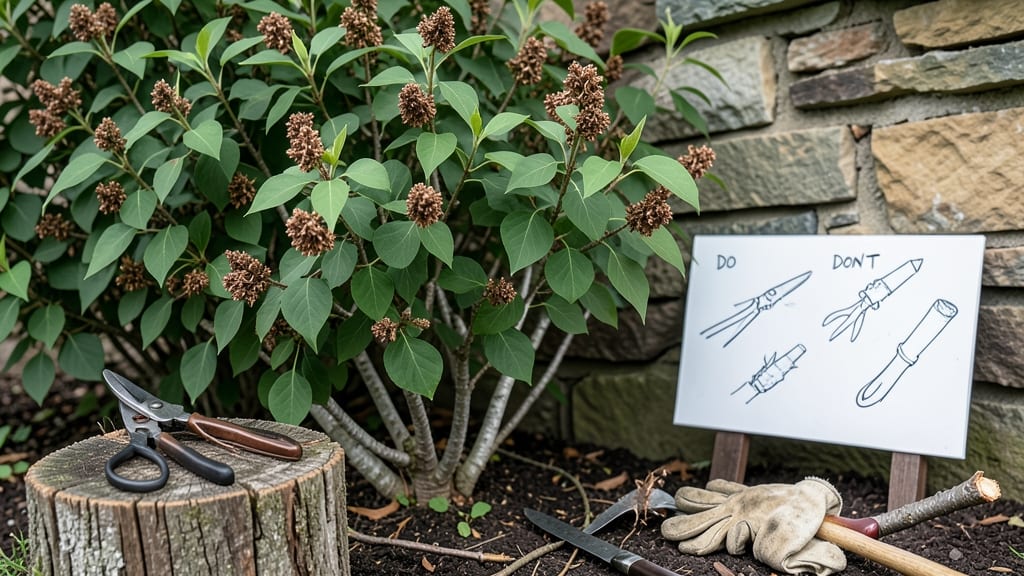
5 Deadly lilac pruning mistakes that kill growth (and how to fix them)
Your lilac bush could be thriving with vibrant blooms—if you weren’t unknowingly sabotaging it with common pruning mistakes. Even small errors can leave your plant weak, sparse, or worse, dead. Here’s how to spot and fix the silent killers before it’s too late.
Lilacs are resilient, but they’re not immune to pruning mistakes. The wrong cuts at the wrong time can stunt growth, reduce flowering, or even kill your bush. Let’s dive into the most destructive errors and how to recover from them.
- 1 Over-pruning – Cutting too much at once weakens the plant and reduces next year’s blooms.
- 2 Wrong timing – Pruning at the wrong season can harm buds and delay flowering.
- 3 Cutting old wood – Removing last year’s flowering stems eliminates next season’s blooms.
- 4 Ignoring new growth – Skipping summer pruning leads to leggy, unshaped bushes.
- 5 Improper tools – Using dull or contaminated shears causes jagged cuts and disease spread.
Let’s tackle each mistake one by one. First, if you’ve over-pruned your lilac, you’ve likely removed more than one-third of the foliage in a single session. This shocks the plant and reduces its ability to photosynthesize, leading to weak growth.
To fix it, stop pruning immediately and focus on watering deeply and fertilizing lightly to encourage recovery.
If you’ve pruned at the wrong time, like during active bloom or late summer, you’ve disrupted the plant’s natural cycle. Lilacs bloom on old wood, so pruning after flowering is critical.
To recover, wait until late spring or early summer to prune lightly and encourage new growth for next season.
Cutting old wood is a common mistake because it looks like dead branches. However, these stems hold next year’s flower buds. To fix this, identify last year’s flowering stems (they’re thicker and have visible bud scales) and avoid cutting them back. Only remove dead or crossing branches.
Ignoring new growth in summer leads to a bush that looks unkempt and produces fewer flowers. To correct this, prune leggy shoots in late June or early July, cutting them back to a leaf bud or side branch. This encourages bushier growth and more blooms next year.
Using improper tools can cause more harm than good. Dull shears create jagged cuts that heal poorly, while dirty tools spread disease. To fix this, disinfect your pruners with rubbing alcohol and use sharp, clean shears for all future cuts. A bypass pruner is ideal for lilacs.
Recovery starts with proper timing. For over-pruned lilacs, avoid heavy cuts for at least a year. For timing mistakes, wait until after blooming to prune. Always cut just above a leaf bud or side branch to promote healthy regrowth.
Finally, give your lilac some extra care during recovery. Apply a balanced fertilizer in early spring and water deeply once a week. Mulch around the base to retain moisture and protect roots. With patience, your lilac can bounce back stronger than ever.
Remember, lilacs are forgiving, but they need consistent care. Avoid these mistakes, and your bush will reward you with vibrant blooms for years to come. 🌸
When and how to prune lilacs: the perfect timeline and technique
Pruning your lilac bush at the right time and with the right technique can transform it from a sparse, leggy mess into a lush, fragrant powerhouse. Unlike many plants, lilacs bloom on old wood, so timing is everything.
If you prune too early or too late, you risk losing next year’s flower clusters entirely. The key is understanding your lilac’s growth cycle and acting at the perfect moment.
Most gardeners make the mistake of pruning lilacs after they’ve already bloomed, assuming it’s too late. But this approach can stunt new growth and reduce next year’s flowers. The truth? The best time to prune lilacs is just after they finish flowering, typically in late May or early June.
This gives your plant time to develop next year’s flower buds while still allowing you to shape it for a fuller look.
Before you grab your shears, you’ll need the right tools. A sharp, clean pair of pruning shears is a must—dull blades can crush stems, making recovery harder. For larger branches, use loppers or a pruning saw.
Disinfect your tools with rubbing alcohol before and after pruning to prevent spreading disease. Never use hedge trimmers, as they can tear stems and leave jagged cuts that invite pests.
⚠️ 5 Lilac Pruning Mistakes That Can Kill Your Bush
- Pruning in fall or winter: Lilacs bloom on old wood, so cutting back in late fall or winter removes next year’s flower buds.
- Over-pruning: Removing more than 1/3 of the plant at once stresses lilacs and can lead to weak growth or death.
- Cutting into old wood: If you prune too late, you’ll accidentally trim next year’s blooms—look for brown, woody stems to avoid.
- Using dirty or dull tools: Bacteria and fungi spread easily through open wounds, leading to diseases like powdery mildew.
- Ignoring dead wood: Leaving dying or diseased branches weakens the plant and spreads rot or pests.
Fix these mistakes by pruning in late spring, using sharp tools, and focusing on healthy new growth.
Now, let’s talk technique. Start by removing any dead, diseased, or crossing branches first. These are easy to spot—they’re brown, brittle, or growing inward. Next, look for last year’s flower clusters (the seed pods that form after blooming).
These indicate where next year’s blooms will appear. Cut just above these clusters, but never below them.
For shaping, focus on open the center of the bush to improve airflow and sunlight penetration. Aim to create a rounded, vase-like shape rather than a flat top. Lilacs can handle moderate pruning every year, but avoid heavy cuts—never remove more than 1/3 of the plant in a single season.
If your lilac is young (3 years old), limit pruning to just removing dead wood and a few stray branches.
After pruning, give your lilac a light fertilizer to encourage new growth. Water deeply to help it recover, but avoid overwatering, as soggy soil can rot fresh cuts.
With the right timing and technique, your lilac will reward you with even more abundant blooms next spring—without the stress of mistakes. 🌸