
Pruning
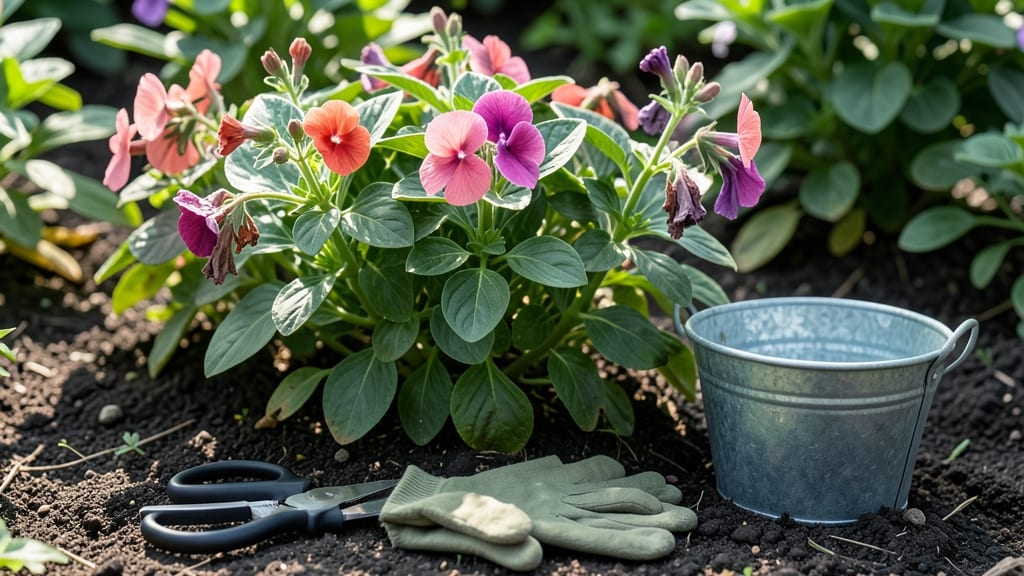
Pruning impatiens isn't just about cutting back—it's the secret to nonstop blooms all season long. 🌸 I've learned that skipping pruning means fewer flowers and leggy stems, but with the right technique, you'll have a bushy plant covered in blooms from spring until frost.
The key is timing: deadhead spent flowers regularly, trim back leggy growth in early summer, and give them a light haircut in late summer to encourage new blooms before winter.
You only need basic tools: clean pruning shears or sharp scissors, and maybe a small pair of gloves if your impatiens are thorny. The real trick is knowing where to cut—always just above a leaf node or set of leaves, never leaving a stub.
This encourages new growth right where you want it, not at the base where it can get woody. For bushier plants, pinch off the tips of new growth when they're about 6 inches tall.
What you end up with is a compact, vibrant plant that blooms continuously instead of putting all its energy into seed production.
The flowers stay bright and fresh, the stems stay sturdy, and you avoid the sad sight of a plant that's spent all its energy on seeds instead of more blooms. This works for both impatiens walleriana (the classic busy Lizzie) and the newer, heat-tolerant varieties.
Fair warning: impatiens don't handle harsh winter freezes well, so if you're in a cold climate, treat them as annuals and prune them right back in fall. In milder zones, they might surprise you with spring regrowth if you leave the stems intact.
Either way, a little regular pruning makes all the difference between a bed of flowers and a jungle of stems.
📚 In This Guide
- What you need
- Instructions
- Tips and common mistakes
- Wrapping up and next steps
What you need
- ● Sharp, clean pruning shears: Choose bypass pruners (not anvil-type) with a 4- to 6-inch blade for precision cuts. Sterilize with rubbing alcohol or a 10% bleach solution before and after use to prevent disease spread. Quantity: 1 pair.
- ● Hand pruners or small scissors: For delicate trimming of smaller stems or leaves. Opt for ergonomic handles to reduce hand fatigue. Quantity: 1 pair.
- ○ Gloves (optional but recommended): Wear nitrile or latex-free gloves to protect against irritating sap and thorns (if dealing with hybrid varieties). Quantity: 1 pair.
- ● Disinfectant solution: Mix 1 part bleach to 9 parts water (or use 70% isopropyl alcohol) for cleaning tools. Quantity: Small spray bottle or bowl.
- ● Garden twine or plant ties: For securing leggy stems to stakes if your impatiens need support. Quantity: Small roll.
- ● Slow-release fertilizer (balanced 10-10-10 or 20-20-20): Apply 1 tablespoon per plant after pruning to encourage new growth. Quantity: Small bag.
- ○ Mulch (optional for post-pruning): Use 2-3 inches of organic mulch (like shredded bark or pine straw) to retain moisture and suppress weeds. Quantity: As needed.
- ● Plant markers or labels: If you’re propagating cuttings, label them with waterproof markers to track varieties. Quantity: Small pack.
- ● Best time to prune: Early morning or late afternoon on a cloudy day or after rain to reduce stress on the plant. Avoid pruning in direct sunlight or extreme heat.
- ● Plant health check: Ensure your impatiens are well-watered (but not soggy) before pruning. Wilted or stressed plants should wait until they recover.
- ● Weather watch: Hold off if rain or high humidity is forecasted within 24 hours—this can promote fungal growth.
Step-by-Step guide to pruning impatiens for full, blooming plants
Here's how to keep your impatiens lush and flowering all season with simple trims.
✂️ Step 1: Identify the Right Time to Prune
Prune impatiens in early spring as new growth begins and again after each flush of blooms—usually every 4-6 weeks. You'll know it's time when you see new leaves unfurling or when spent blooms start to wilt. This keeps your plants compact and encourages fresh flowers.
Never prune when plants are stressed by heat or drought. Wait until morning when stems are firm and leaves are crisp. If you're unsure, pinch off just one or two spent blooms to test—if new buds form within 7-10 days, your timing is right.
✂️ Step 2: Use Clean Tools and the Right Technique
Use sharp, sanitized pruning shears (wipe with rubbing alcohol between plants) to make clean cuts. Never tear stems—this invites disease. Cut just above a leaf node (the bump where leaves grow) at a 45-degree angle to prevent water from pooling.
For leggy stems, trim back to half their length but never below the first set of leaves. This ensures the plant has enough foliage to support new growth. If you're pruning for shape, focus on outer stems first—this opens up the center for better airflow and light.
✂️ Step 3: Deadhead Spent Blooms Regularly
Pinch or snip off wilted flowers at the base of the stem as soon as they fade. This prevents seed formation and redirects the plant's energy into producing more vibrant blooms. Check plants every 3-4 days during peak bloom season—you'll notice new buds forming within a week of consistent deadheading.
If you miss a few blooms, don't worry—just remove the entire stem if it's overcrowded. Over time, your impatiens will reward you with denser foliage and nonstop color. Pro tip: Use a small pair of scissors for quick touch-ups between deeper prunes.
☀️ Step 4: Adjust Care After Pruning for Best Results
Water deeply the day after pruning to help the plant recover. Keep soil evenly moist (not soggy) for 3-5 days—you'll see new growth emerge within 7-10 days if conditions are right. Avoid fertilizing right after pruning; wait until you see new leaves to feed with a balanced, water-soluble fertilizer.
Move pruned plants to bright, indirect light for a few days to reduce stress. If they were in full sun before, gradually reintroduce direct sunlight over 3-4 days. You'll know they're thriving when stems firm up and new leaves appear glossy and upright.
⏰ Step 5: Plan for Year-Round Maintenance
In fall, give impatiens a final light prune to remove any yellowing or damaged leaves. This helps them enter dormancy stronger. If you're in a mild climate, continue deadheading until frost. In winter, reduce watering but keep soil slightly moist—impatiens can survive light freezes if protected.
Here's the thing—impatiens respond best to consistent care. Set a reminder to check them weekly during growing season. With regular pruning, your plants will stay bushy, healthy, and blooming from spring to frost.**
Tips & tricks for pruning impatiens like a pro
These simple tricks will help you keep your impatiens thriving all year—no green thumb required.
Timing is Everything: The 4-6 week pruning schedule in Step 1 works best when you notice new leaves unfurling. I always check my plants in the morning—this is when stems are firmest and most responsive. If you're unsure about timing, the "one or two spent blooms" test is foolproof: just pinch them off and watch for new buds in 7-10 days. This visual cue takes all the guesswork out of scheduling.
Tool Prep Matters: Don't skip sanitizing your pruning shears between plants! I keep rubbing alcohol wipes handy and clean tools after every 2-3 plants. The 45-degree angle cut in Step 2 is crucial—it prevents water from pooling at the cut site, which can cause rot. Pro tip: Use a small nail file to sharpen dull shears before starting; it makes cuts cleaner and reduces plant stress.
Deadheading Secrets: The 3-4 day check in Step 3 is perfect for busy gardeners. I set a phone reminder every 4 days during peak bloom season to stay on track. For quick touch-ups, I keep a pair of tiny scissors in my gardening apron—it's much faster than fumbling with shears. When you see new buds forming within a week, that's your reward for consistent care!
Post-Prune Recovery: The 3-5 days of even moisture in Step 4 is non-negotiable. I use a spray bottle for gentle watering during this period to avoid disturbing the soil. After 7-10 days, you'll notice new growth—this is when you can reintroduce fertilizer. The gradual sunlight transition (3-4 days) prevents shock, especially for plants that were previously in full sun.
Pro Tips for Prune Impatiens
- These simple tricks will help you keep your impatiens thriving all year—no green thumb required.
- Timing is Everything: The 4-6 week pruning schedule in Step 1 works best when you notice new leaves unfurling.
- Tool Prep Matters: Don't skip sanitizing your pruning shears between plants!
Frequently asked questions
about pruning impatiens—because even the pros need a little extra guidance! Here are answers to the most common questions to keep your plants thriving.When is the best time to prune impatiens?
Prune impatiens in early spring (just as new growth starts) and throughout the growing season (every 4–6 weeks). Avoid heavy pruning in late summer, as it may prevent fall blooms. Light trims after deadheading also encourage continuous flowers!
Can I prune impatiens too much?
Yes! Over-pruning can stress your plants, leading to leggy growth or fewer blooms. Stick to removing no more than 1/3 of the plant at a time. If you’ve already pruned too much, focus on fertilizing and watering to help recovery.
What should I do if my impatiens look sad after pruning?
Don’t worry—impatiens bounce back! After pruning, water deeply and place them in bright, indirect light (avoid harsh sun). If growth stalls, a balanced fertilizer can give them a boost. Yellow leaves? Check for overwatering!
Can I propagate impatiens from pruned cuttings?
Snip healthy 3–4 inch stems (just below a leaf node), strip the lower leaves, and dip in rooting hormone. Place in water or moist potting mix—new roots should appear in 2–4 weeks. Perfect for free plants!
Do impatiens need pruning in winter?
Not unless they’re outdoor annuals (they’ll die in frost). For houseplants, prune lightly in winter to control size, but avoid heavy cuts. If grown as perennials in mild climates, prune back after the first frost to prep for spring.
Pro Tip:
Always use sterilized scissors to prune impatiens—this prevents disease! Wipe blades with rubbing alcohol between cuts for the cleanest results.
Wrapping up and next steps
Pruning your impatiens doesn’t have to be intimidating—just a little tenderness and timing can transform your plants into vibrant, blooming powerhouses! 🌸 By following these year-round tricks, you’ll encourage bushier growth, longer stems, and a stunning display of color that’ll have your neighbors green with envy.
Now that you’re armed with the know-how, grab those shears and get pruning!
Want to take your gardening game even further? Experiment with deadheading or try growing impatiens in containers for a pop of color on patios and balconies. Happy gardening!