
Pruning
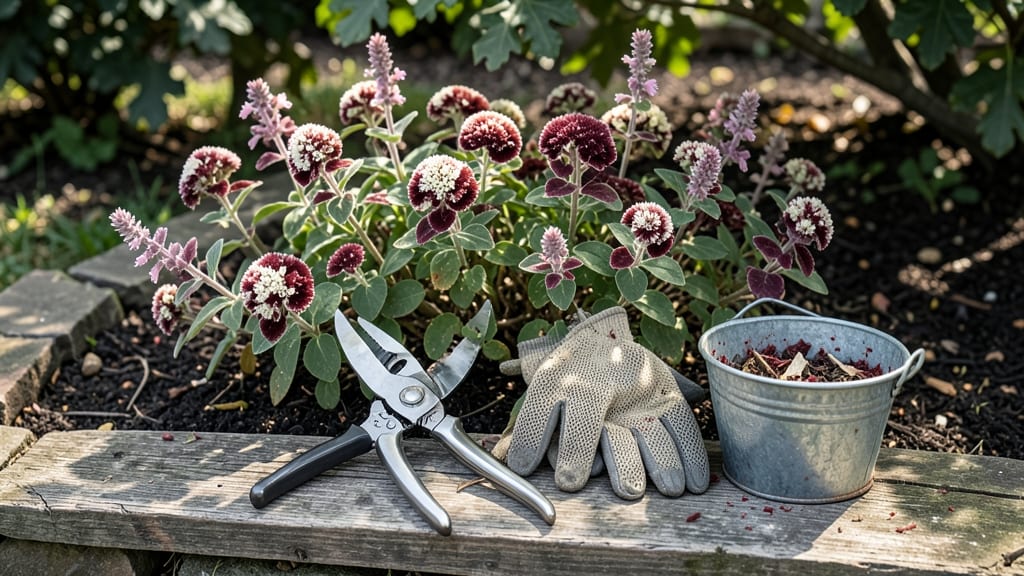
Pruning Hot Lips salvias right after they finish blooming transforms them from scraggly survivors to vibrant, bushy powerhouses—and the dormant season is your best chance to shape them for next summer’s showstopping flowers. 🌿 I’ve turned my once-lanky plants into lush, multi-branched bushes by following this exact timing and technique, and the difference in bloom volume is shocking.
The key is cutting back one-third of the oldest stems in late winter or early spring, just as new growth starts. Use clean, sharp pruners to snip ½-inch above a leaf node—this encourages branching, not just taller stems.
Avoid heavy pruning in fall, because those stems store energy for next year’s blooms, and you’ll starve your plant. What you’ll end up with is a denser, more prolific salvia that blooms for weeks longer and handles heat better.
The flowers stay bold and upright instead of flopping, and you’ll see new red and white blooms pushing through by early summer. Even my black thumb can’t mess this up once I learned the right cuts. Works for all Salvia microphylla varieties, including ‘Hot Lips’ and ‘May Night.’
Just remember: less is more—these plants bounce back fast, but over-pruning leads to weak stems and fewer flowers.
📚 In This Guide
- What you need
- Instructions
- Tips and common mistakes
- Wrapping up and next steps
What you need
- ● Bypass pruners (sharp, clean, and sterilized) – 1 pair (for clean cuts on stems up to ½ inch thick).
- ● Hand pruners or loppers – 1 set (for thicker stems or larger branches).
- ● Disinfectant (70% isopropyl alcohol or hydrogen peroxide) – small bottle (to sterilize tools between cuts).
- ● Garden gloves – 1 pair (nitrile or leather for grip and protection).
- ○ Garden twine or zip ties – small roll (optional, for supporting heavy stems post-prune).
- ● Compost bin or trash bag – ready access (for pruned debris).
- ● Pruning saw – 1 (if dealing with woody, overgrown stems).
- ● Plant food or fertilizer – balanced formula (to nourish post-pruning).
- ● Mulch – shredded bark or straw (to protect roots and retain moisture).
- ● Camera or phone – 1 (to document your pruning masterpiece!).
How to prune Hot Lips salvias for maximum summer color
This is the method I use every winter—it keeps your plants healthy and packed with vibrant blooms.
✂️ Step 1: Time Your Pruning Perfectly
Wait until after your first hard frost when the plant has fully entered dormancy. You'll know it's ready when the foliage turns brown and crispy, and new growth has completely stopped. Pruning too early stresses the plant, while waiting too long risks losing next year's blooms.
If you're in a mild climate where frost never arrives, prune in late winter when the days start lengthening. This ensures the plant has time to regenerate before spring growth begins. I always mark my calendar for February 1st as my absolute deadline—it gives me a safety net if winter drags on.
🌿 Step 2: Cut Back to the Right Height
Use clean, sharp pruners to cut back the stems to about 4-6 inches above the ground. This height gives the plant enough energy reserves to produce strong new growth while preventing it from getting too leggy. Never cut into old wood—you want to leave some fresh green growth at the base if possible.
I like to make my cuts at a slight angle just above a leaf node. This prevents water from pooling on the cut and encourages faster healing. If your plant is particularly woody with no green growth left, you can cut it back even shorter—down to 2-3 inches—but don't go lower than that.
🪴 Step 3: Clean Up the Workspace
Remove all the pruned material and dispose of it in the trash, not your compost bin. Hot lips salvias can carry fungal diseases that might spread to other plants. I always wear gloves during this step because the dried foliage can be scratchy and may carry pests.
After pruning, give your plant a good drink of water to help it recover from the shock. The soil should be moist but not soggy—think of it as a refreshing drink after a workout. This is especially important if your winter has been particularly dry.
☀️ Step 4: Prepare for Spring Growth
Apply a 2-3 inch layer of mulch around the base of your plant to protect it from temperature fluctuations and retain moisture. I use shredded bark mulch because it breaks down slowly and adds organic matter to the soil as it decomposes.
Watch for new growth in early spring—you'll see bright green shoots emerging from the base of the plant. This is your signal that the pruning was successful and the plant is ready to burst into color. Once you see these new shoots, you can start fertilizing lightly to encourage robust growth.
⏰ Step 5: Monitor and Adjust
Check your pruned salvias every 2-3 weeks in early spring for signs of new growth. If you notice any brown or dead stems that didn't produce new shoots, you can trim those back further to encourage energy to go toward the healthy parts.
Be patient—it can take 4-6 weeks for your Hot Lips Salvias to show significant regrowth after pruning. During this time, keep the soil consistently moist but avoid overwatering. You'll know you're doing it right when you see those signature bright red and yellow bracts starting to form by late spring.
Tips & tricks for perfect Hot Lips salvias pruning
Here's what I've learned after years of pruning these vibrant plants—these little details make all the difference for next summer's showstopping blooms.
Timing is Everything: That February 1st deadline I mention isn't arbitrary—it's when day length starts increasing noticeably in most climates. If you prune too early, your plant might not have enough time to recover before spring growth begins. I've seen plants that were pruned in January struggle to produce strong new growth, while those pruned in February or later always bounce back beautifully. The key is waiting until you see that crispy brown foliage and no new growth for at least 2 weeks.
Pruning Technique Matters: When cutting back to that 4-6 inch height, make sure your pruners are sharp—dull blades crush stems instead of making clean cuts. I also recommend sterilizing your pruners with rubbing alcohol between cuts to prevent spreading any potential diseases. For woody plants with no green growth, cutting down to 2-3 inches is perfectly fine, but never cut into completely old, woody stems with no pith—this won't regrow. The slight angled cut above a leaf node is crucial—it prevents water from pooling and creates a larger surface area for faster healing.
Post-Pruning Care: That watering after pruning is more important than you might think. The plant goes into shock from the sudden removal of foliage, and water helps it recover faster. I've found that giving a deep watering right after pruning, followed by keeping the soil consistently moist (but not soggy) during the first 4-6 weeks of regrowth, makes a noticeable difference in how quickly new shoots appear. Think of it like giving your plant a good drink after a major workout.
Mulch Selection: While any mulch works, I've had the best results with shredded bark mulch because it breaks down slowly and adds organic matter to the soil over time. If you're using pine straw or wood chips, make sure they're at least 2-3 inches deep to provide proper insulation. I've seen cases where too-thin mulch layers didn't protect roots enough during temperature fluctuations, leading to slower regrowth. The mulch also helps maintain even soil moisture, which is especially important during those first critical weeks after pruning.
Pro Tips for Hot Lips Salvias Pruning
- Here's what I've learned after years of pruning these vibrant plants—these little details make all the difference for next summer's showstopping blooms.
- Timing is Everything: That February 1st deadline I mention isn't arbitrary—it's when day length starts increasing noticeably in most climates.
- Pruning Technique Matters: When cutting back to that 4-6 inch height, make sure your pruners are sharp—dull blades crush stems instead of making clean cuts.
Frequently asked questions
Got questions about pruning your Hot Lips Salvias? You’re not alone!
Here are the most common concerns—plus clear, actionable answers to keep your plants thriving.
When is the best time to prune Hot Lips Salvias?
Prune your Hot Lips Salvias (like Salvia microphylla or Salvia guaranitica) in late winter or early spring, just before new growth starts. This timing ensures you remove dead growth without cutting back the buds that will bloom in summer. Avoid pruning in fall—it can leave the plant vulnerable to cold damage.
How much should I trim back my Hot Lips Salvias?
Cut back one-third to one-half of the plant’s height, focusing on leggy stems and dead or woody growth. Use clean, sharp pruners to make angled cuts just above a leaf node or bud. Never remove more than half—this can stress the plant and reduce next year’s blooms. Think of it like a haircut: less is more!
What if I prune at the wrong time?
Pruning too early (like in fall or winter) can expose the plant to frost damage, while pruning too late (after buds form in spring) may reduce flowering. If you accidentally prune at the wrong time, don’t panic—just monitor for signs of stress (yellowing leaves, wilting) and adjust care (watering, mulching) to help it recover.
Can I prune Hot Lips Salvias in summer?
Light summer pruning is okay for deadheading spent blooms to encourage more flowers, but avoid heavy pruning. Summer cuts can stress the plant when it’s already working hard to bloom. If you must prune, do it early in the morning to reduce water loss and keep the area well-watered afterward.
What if my Hot Lips Salvias don’t bloom after pruning?
Several factors could be at play: over-pruning, poor sunlight (they need full sun!), or nutrient deficiencies. Check your plant’s location and fertilize lightly with a balanced, low-nitrogen formula in early spring. If blooms still don’t appear, consider whether your variety is self-cleaning (some don’t need deadheading).
Wrapping up and next steps
Pruning your Hot Lips Salvias during dormancy isn’t just a chore—it’s your secret weapon for stunning summer blooms! 🌸 By following this blueprint, you’ll encourage lush growth, vibrant flowers, and a healthier plant. Remember: sharp tools, clean cuts, and patience are key to success.
Now that you’re armed with knowledge, roll up your sleeves and give your salvias the care they deserve. Start with a single plant, practice your technique, and soon, your garden will be bursting with colorful, thriving Hot Lips Salvias! 🌿✨
Next step: Mark your calendar for late winter or early spring—your salvias are waiting for their big comeback! 📅