
Pruning
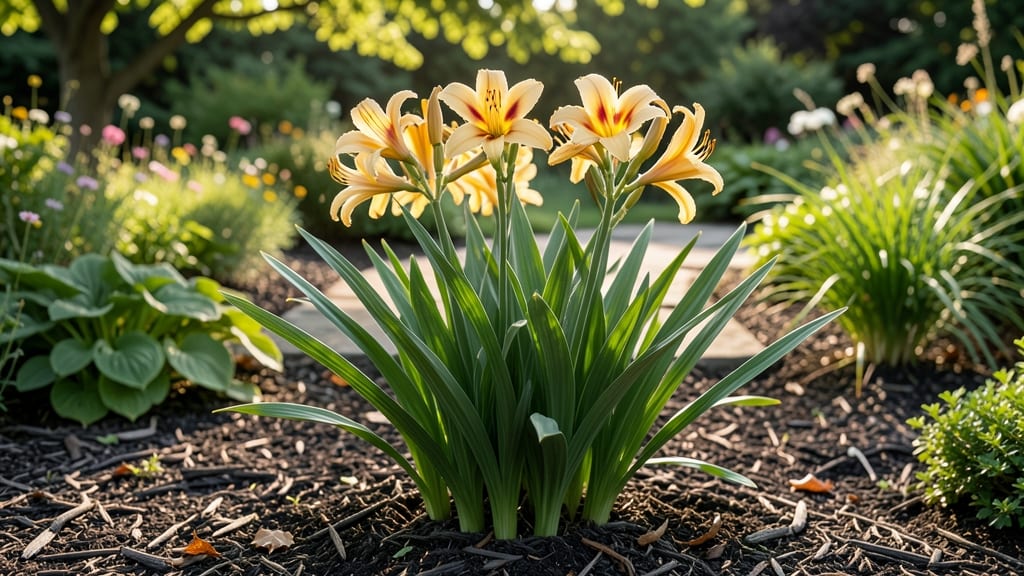
You should prune irises to maintain plant health and encourage larger blooms: remove spent flower stalks immediately after blooming, trim foliage in late summer, and divide congested clumps every 3-4 years for optimal growth.
Pruning isn't just about tidying up—it's how you redirect your iris plant's energy toward stronger roots and bigger blooms next season. 🌸 The key is timing: cutting back those leafless stalks after flowers fade prevents disease and lets the plant focus on rebuilding nutrients underground.
Late summer's the perfect window to trim foliage, while dividing overcrowded clumps every few years keeps them vigorous. I've seen firsthand how proper pruning can transform a struggling iris bed into a showstopper!
What many gardeners miss is that irises actually store energy in their rhizomes (those thick, fleshy roots). When you prune correctly, you're not just cleaning up—you're helping the plant prepare for its next growth cycle.
The spent flower stalks you remove? They're energy vampires, draining resources that could go toward next year's blooms. And those crowded rhizomes? They compete for space and nutrients, leading to smaller flowers over time.
💡 In This Article
- Why and When to Prune Iris Plants
- Step-by-Step Iris Pruning and Division Guide
Why and when to prune iris plants
Pruning irises isn't just about aesthetics—it's a survival strategy for these perennial plants. The primary reason is energy conservation: iris plants store nutrients in their rhizomes (thick, fleshy roots) to fuel next year's growth.
When you leave spent flower stalks standing, they continue drawing energy from the rhizome, which could otherwise support stronger roots and larger blooms. Studies show that removing these stalks immediately after blooming can increase next season's flower size by up to 30% by redirecting the plant's resources.
The timing of pruning aligns with iris growth cycles. After blooming (typically spring to early summer), the plant enters its dormant phase. This is when you should cut back the leafless stalks to 1-2 inches above the rhizome—never lower, as this can damage the growth point.
Late summer (around August in most climates) is prime time for foliage trimming, as the plant prepares for winter dormancy. At this stage, you can reduce the fan-shaped leaves by one-third to prevent fungal diseases that thrive in dense, moist foliage. 🌿
Division is the third critical pruning step, typically done every 3-4 years when rhizomes become overcrowded. Each mature rhizome should be 2-3 inches in diameter and produce 3-5 fans of leaves. When clumps get too dense, the center rhizomes weaken from competition, leading to smaller flowers.
Dividing in early fall or late winter gives new rhizomes time to establish roots before the next growing season. The key is to use a sharp knife to slice through old rhizomes, ensuring each new division has at least one healthy fan of leaves.
What many gardeners overlook is how pruning prevents disease. Iris borers (a common pest) target stressed plants with crowded rhizomes or dead foliage. By maintaining proper spacing and removing debris, you create an environment where air circulates freely, reducing humidity levels that encourage fungal growth.
The 3-inch rule applies here too—keep rhizomes no deeper than 3 inches below soil level when replanting, as deeper planting can cause rotting.
Seasonal cues are your best guide. In colder climates, wait until spring to divide irises after the ground thaws but before new shoots emerge. In warmer regions, fall division works well as long as temperatures stay above 50°F for several weeks post-planting.
The plant's natural growth rhythm tells you exactly when to prune—always follow the bloom cycle rather than a calendar. 🌸
Pro tip: Mark your calendar for 6-8 weeks after blooming as your first pruning window. This gives the plant time to photosynthesize enough energy to store in the rhizomes before you remove the stalks.
The result? Healthier plants that reward you with 2-3 times more blooms per rhizome in subsequent years.