
Pruning
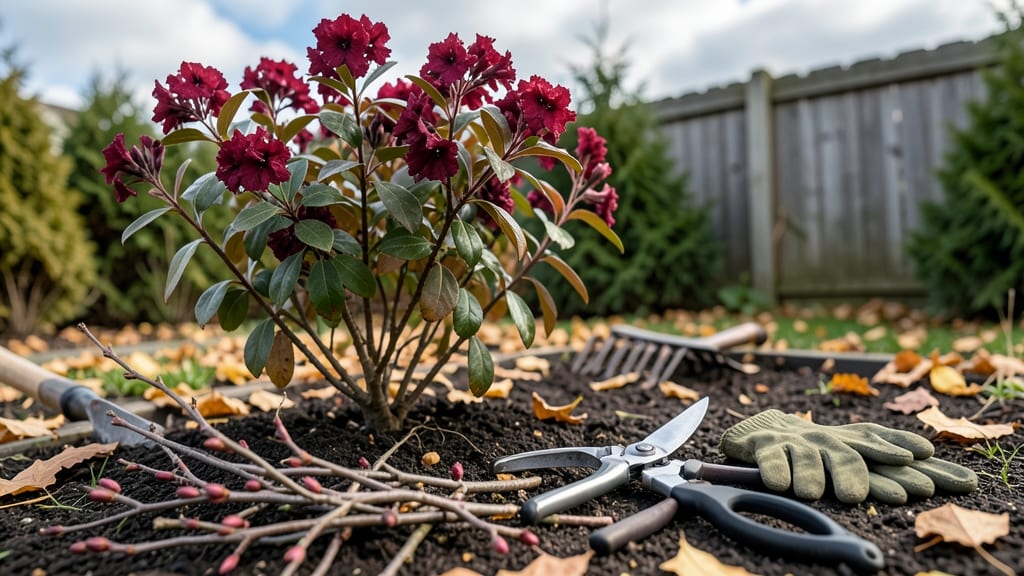
You can prune weigela in October only in mild climates, as late pruning typically encourages new growth that won't harden off before frost, increasing winter damage risks. Experts advise waiting until early spring for major pruning, but light shaping may be done in late fall if absolutely necessary.
Weigela bushes enter dormancy in late fall, and pruning too late disrupts this natural process. 🌿 New shoots stimulated by October cuts often remain tender through winter, making them susceptible to frost damage or even death.
In colder regions, avoid pruning entirely after early fall—wait until late winter or early spring when the plant is fully dormant. Even in warmer areas, limit pruning to removing only dead or diseased branches, never more than 25% of the plant, to minimize stress.
If you must prune in October, focus on sanitizing your tools and making clean cuts just above a healthy bud. Avoid heavy pruning that removes more than a third of the plant, as this weakens the bush's ability to recover before winter.
After pruning, apply a light layer of mulch around the base to insulate roots and retain moisture, which helps the plant endure any remaining cold snaps.
💡 In This Article
- Why October Pruning Damages Weigela Bushes
- Safe Late-Fall Weigela Pruning Techniques
Why October pruning damages weigela bushes
Weigela bushes rely on a precise biological clock to prepare for winter. When you prune in October, you're interrupting their natural transition into dormancy—a process triggered by shortening daylight and cooling temperatures.
The plant's growth hormones shift from promoting new shoots to conserving energy, but a fresh cut sends conflicting signals, tricking the bush into thinking spring has arrived.
This miscommunication causes tender new growth to sprout, which remains vulnerable to frost since it hasn't developed the protective woody tissue of mature stems.
The real danger lies in how quickly weigela responds to pruning. Studies show that within 7-10 days of cutting, new shoots can emerge from dormant buds, especially if temperatures hover above 50°F.
These tender shoots lack the cold-hardiness of established wood, which can withstand temperatures down to -20°F in many weigela varieties.
The contrast is stark: mature wood contains up to 30% more lignin (a woody polymer), giving it structural integrity, while new growth is essentially 90% water, making it prone to freezing damage.
Another critical factor is the plant's root system. During late fall, weigela begins redirecting nutrients from leaves to roots to store energy for spring. Pruning removes the leaves that are performing photosynthesis, forcing the plant to divert even more resources from root development.
This creates a double whammy: the bush struggles to harden off properly while its root system weakens—a combination that makes it far more susceptible to winter dieback. In extreme cases, this can lead to complete plant loss, particularly in zones 5 and colder.
What most gardeners don't realize is how frost affects new growth differently than mature wood. When temperatures drop below 32°F, water in new shoots expands as it freezes, causing cell walls to rupture—a process called "ice crystal formation."
This damage is irreversible, while mature wood can flex slightly with temperature changes, preventing such catastrophic internal damage. The result? A once-vibrant weigela bush can end up with brown, mushy stems by spring, looking more like a sad skeleton than a flowering shrub.
Even in mild climates where frost isn't a concern, October pruning can backfire. The new growth stimulated by late cuts often enters a state of "false dormancy," where the plant appears dormant but remains metabolically active.
This makes it more susceptible to fungal infections like powdery mildew, which thrives on tender new tissue during cool, damp fall weather. The combination of stressed growth and fungal pressure can turn a simple pruning job into a winter recovery battle.
Consider this real-world example: A weigela bush pruned in early October in Zone 6 may produce 3-4 inches of new growth before the first hard frost.
That growth, which could have been prevented by waiting until spring, often dies back to the point where the bush loses 20-30% of its flowering potential the following season. The lesson? Patience pays off in both survival and blooms.