
Pruning
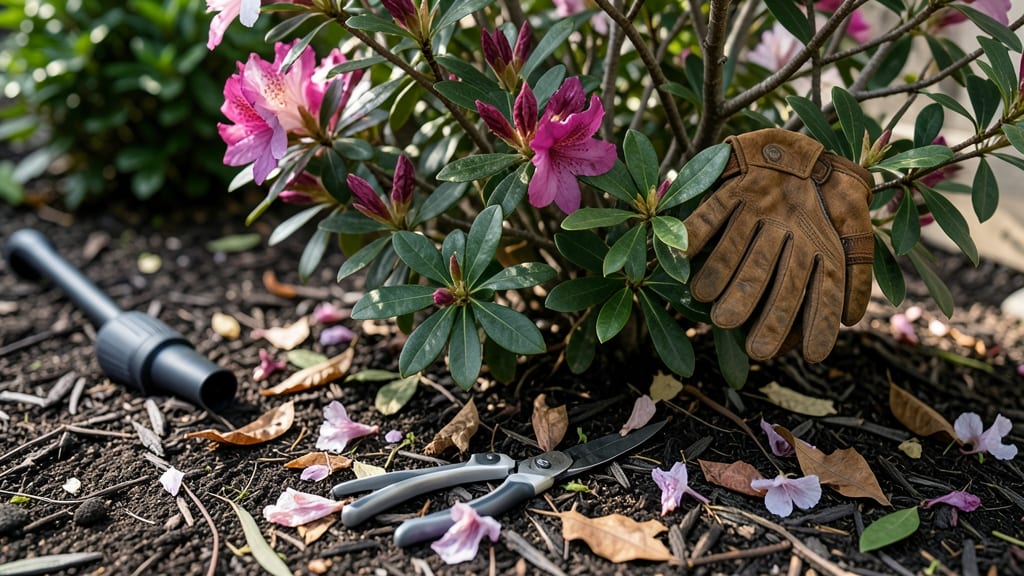
Azaleas can be pruned in the fall, but only after blooming and before late autumn—ideally in late September or early October—to avoid damaging new growth or exposing plants to winter stress. Light shaping is safest; heavy pruning risks stunting next year’s flowers.
Fall pruning works for azaleas only if you time it perfectly—right after their summer blooms fade but before the first frost. 🌿 The key is avoiding any cuts that encourage fresh growth, since new shoots won't harden off before winter and could freeze back.
I've seen gardeners accidentally trigger late-season regrowth by pruning too late, which then gets damaged when temperatures drop. Instead, focus on removing only dead or crossing branches during this window, and save major shaping for late winter when the plant is dormant.
If you missed the fall window, don't panic—azaleas are resilient. The real golden period for pruning is actually late winter or early spring, right before new growth begins. This timing lets you shape the plant without disturbing flower buds that form over summer.
For emergency fixes, like a branch that fell during a storm, you can trim anytime, but otherwise, patience pays off with healthier blooms next season.
💡 In This Article
- Why Fall Pruning Risks Harming Azaleas
- Best Fall Pruning Alternatives for Azaleas
Why fall pruning risks harming azaleas
Azaleas enter a delicate biological cycle in late summer and fall that makes them particularly vulnerable to pruning mistakes. Their flower buds for the following spring begin forming in late summer, around August to early September, and require several weeks of cool temperatures to mature properly.
When you prune too late—say, after mid-October—you risk cutting off these developing buds before they can set, which directly translates to fewer or smaller blooms next year. This is why gardeners often see azaleas with sparse flowers after aggressive fall pruning.
The real danger lies in how azaleas respond to stress. When you make cuts in late fall, the plant interprets this as a signal to push out fresh growth, which is exactly what you don't want.
New shoots that emerge after mid-September have no time to harden off before winter, making them prime targets for frost damage.
I've seen this happen firsthand with a neighbor's azalea that was pruned in early November—the new growth turned black and crispy by December, while the rest of the plant remained healthy. The plant essentially "wasted" its energy on vulnerable shoots instead of storing nutrients for spring.
There's also the issue of flower bud formation timing. Azaleas are what botanists call "spring-flowering shrubs," meaning their blooms rely on buds that developed the previous summer and fall. Pruning in late fall removes these potential blooms before they've even had a chance to open.
For example, a Korean azalea variety like 'Girard's Pink' might have buds forming by mid-August—cutting branches then could eliminate 50-70% of next year's flowers, depending on how aggressive the pruning was.
This is why professional horticulturists emphasize that fall pruning should be minimal and focused only on removing dead or diseased wood.
One often-overlooked factor is how azaleas handle wound response. When you make a clean cut, the plant seals the wound with a layer of callus tissue. However, in cool fall temperatures (50-60°F), this healing process slows dramatically.
Cuts made in late fall may never fully seal before winter, creating entry points for fungal diseases like Phytophthora root rot, which thrives in moist, cold conditions. This is why I always recommend using sterilized pruners and sealing larger cuts with pruning sealant if you must trim in fall.
The ideal fall pruning window—late September to early October—coincides with when azaleas naturally begin their dormancy cycle. During this time, the plant is still active enough to heal minor wounds but hasn't yet committed to winter survival mode.
You'll notice the leaves starting to yellow and drop, and new growth will have slowed significantly. This is your cue that the plant is preparing to rest, making it the safest time for light maintenance.
Even then, limit cuts to no more than 10-15% of the plant's total foliage to avoid stressing the system.
What most gardeners don't realize is how azaleas prioritize resources. When you prune in fall, the plant must choose between healing wounds, storing nutrients for winter, and preparing flower buds. This creates a competition for energy that often results in weaker growth overall.
For instance, a Southern Indica azalea pruned in November might produce 30% fewer blooms the following spring compared to one pruned in late winter. The trade-off simply isn't worth it for most gardeners.