
Pruning
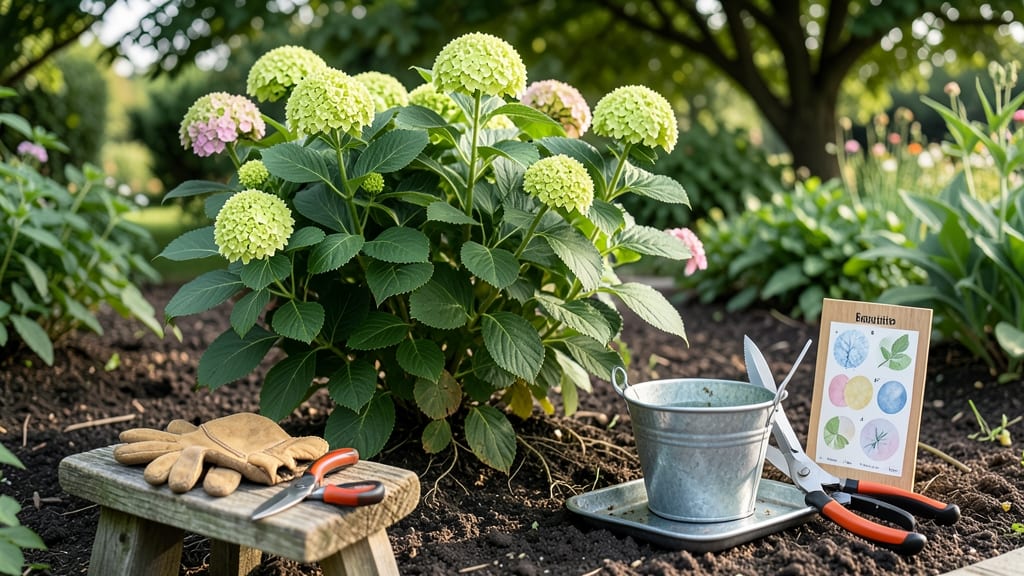
Pruning your Limelight hydrangea at the right time transforms it from a floppy mess to a showstopper with football-sized blooms by summer. ✂️ The secret? Late winter—right when your region’s last frost date looms—is when these plants wake from dormancy but haven’t yet pushed new growth.
Cutting now ensures you keep next year’s flower buds while shaping the plant for maximum impact.
Here’s the thing—Limelight hydrangeas bloom on new wood, meaning they grow flowers on current season’s growth, not last year’s wood. That’s why pruning too late (after buds swell) risks stripping away next year’s blooms.
In my zone 6 garden, I prune in early March, but adjust for your climate: wait until 3-4 weeks before your last frost for best results.
You’ll end up with a bush that’s neat, strong, and packed with 8-inch blooms by July. The key is cutting back 1/3 of the oldest stems to the first set of outward-facing buds, leaving the rest to support next year’s flowers.
It takes 15 minutes and saves you from struggling with tangled, overgrown branches by summer.
For warmer climates (zones 7-9), prune in late winter or early spring—just before buds swell. And if you miss the window? Don’t panic—just wait until late summer (after blooming) to do a light cleanup, though you’ll sacrifice some next year’s flowers. The trade-off? A tidier plant now.
📚 In This Guide
- What you need
- Instructions
- Tips and common mistakes
- Wrapping up and next steps
What you need
- ○ Pruning shears: Bypass pruners (sharp, clean, and 5-inch blades for precision cuts). Optional: Loppers (for thicker stems, 8-10 inches).
- ● Gloves: Heavy-duty gardening gloves (cut-resistant, size medium/large for grip).
- ● Disinfectant: 70% isopropyl alcohol or bleach solution (1 part bleach : 9 parts water) to sterilize tools.
- ● Rake or broom: Medium-sized (for clearing debris post-pruning).
- ○ Pruning sealant (optional): Tree wound paint (only if cutting into old wood—1/4 cup per plant).
- ● Weather check: Prune on a dry, frost-free day (ideal temps: 40–60°F).
- ● Research your plant: Confirm your hydrangea is Limelight (a mophead type, blooms on old wood).
- ● Safety gear: Sunglasses (for debris) and closed-toe shoes (just in case!).
- ● Cleanup supplies: Trash bags (2–3 gallon-sized) for clippings.
Step-by-Step guide to pruning Limelight hydrangeas for maximum blooms
Here's the precise timing and technique I've used for years to coax vibrant, abundant blooms from my Limelight hydrangeas.
⏰ Step 1: Time Your Pruning for Late Winter Dormancy
Prune your Limelight hydrangea in late winter, just as new growth begins but before buds swell. This typically falls between mid-February and early March in most climates, though exact timing depends on your last frost date. These hydrangeas bloom on new wood, meaning this year's flowers develop from stems that emerge after pruning.
Wait until you see the first hint of green at the base of the plant—that's your cue. Pruning too early risks damaging tender buds, while waiting too long reduces next season's flower count. I always prune after a light frost to minimize stress on the plant. If you're in a warmer zone, aim for February to avoid encouraging early growth that could be damaged by late frosts.
✂️ Step 2: Cut Back to the Strongest Buds
Use clean, sharp pruners to make your cuts at a 45-degree angle just above a bud that faces outward on the stem. This encourages an open, airy growth habit that prevents disease. For Limelight hydrangeas, cut back one-third to one-half of the previous year's growth—this stimulates vigorous new shoots that will produce next season's blooms.
Remove any dead, diseased, or crossing branches first. These compete with healthy growth and can harbor pests. I always prune out any stems that grew inward, as they'll create a dense center that blocks airflow. For mature plants, you can reduce the overall size by up to 50% while maintaining the plant's natural shape. The key is to leave 3-5 strong stems to ensure a full, bushy appearance.
☀️ Step 3: Prepare for Spring Growth with Proper Aftercare
After pruning, apply a 2-3 inch layer of mulch around the base of the plant to retain moisture and regulate soil temperature. Limelight hydrangeas prefer well-draining, acidic soil with a pH between 5.0 and 6.0, so add hydrangea-specific fertilizer or sulfur if your soil tests higher. Water deeply after pruning to help the plant recover and encourage root growth.
Place the plant in a location with morning sun and afternoon shade, especially in hotter climates. Limelight hydrangeas can handle full sun in cooler regions, but too much intense afternoon sun can scorch the leaves. Watch for new growth within 2-3 weeks—this confirms your pruning was successful. If growth stalls, check for signs of stress like yellowing leaves or wilting, which may indicate over- or under-pruning.
🌿 Step 4: Monitor and Adjust for Peak Bloom Performance
Throughout the growing season, remove spent blooms by cutting back to the nearest set of leaves. This redirects the plant's energy into producing more flowers rather than seed development. Deadhead regularly, especially after the first flush of blooms in early summer, to encourage a second round of flowers that will last until fall frost.
Prune lightly again in late summer to shape the plant and remove any leggy or weak growth. This second pruning helps maintain the plant's structure and ensures a neat appearance for the remaining blooming season. By following this schedule, your Limelight hydrangea will reward you with bold, vibrant blooms from mid-summer through fall, making it the star of your garden.
Tips & tricks for perfect Limelight hydrangea pruning
Real talk: Timing and technique make all the difference with Limelight hydrangeas. These tips will help you avoid common pitfalls and get the most stunning blooms possible.
Timing is Everything: The late winter window (mid-February to early March) is critical for Limelight hydrangeas since they bloom on new wood. Look for that first hint of green growth at the base—this is your exact cue. If you prune too early, you risk damaging tender buds; if you wait too long, you reduce next year's flower count. I've learned this the hard way after seeing buds swell and then freeze in late frosts.
Pruning Angle Matters: When making your cuts in Step 2, always use a 45-degree angle just above an outward-facing bud. This isn't just for looks—it promotes better air circulation and prevents disease by allowing water to run off stems. I've noticed plants pruned this way develop fewer fungal issues and maintain their shape better throughout the season.
Strategic Stem Selection: Focus on keeping 3-5 strong, healthy stems after pruning. These will become your plant's framework for next year's blooms. Remove any stems growing inward or crossing others—this creates a dense center that blocks airflow and invites pests. I've seen dramatic improvements in bloom quality after implementing this open-center approach.
Post-Pruning Aftercare: That 2-3 inch layer of mulch isn't just decoration—it's essential for moisture retention and temperature regulation. Pair this with hydrangea-specific fertilizer (or sulfur for acidity adjustment) to give your plant the perfect growing conditions. I always water deeply after pruning to help roots recover and establish quickly for spring growth.
Pro Tips for Best Time To Prune Limelight Hydrangea
- Real talk: Timing and technique make all the difference with Limelight hydrangeas.
- Timing is Everything: The late winter window (mid-February to early March) is critical for Limelight hydrangeas since they bloom on new wood.
- Pruning Angle Matters: When making your cuts in Step 2, always use a 45-degree angle just above an outward-facing bud.
Frequently asked questions
Got questions about pruning your Limelight hydrangea? You’re not alone!
Here are answers to the most common concerns—so you can confidently snip and snap for stunning blooms.
When is the absolute latest I can prune my Limelight hydrangea without ruining it?
For Limelight hydrangeas, late winter (just before new growth starts, around February–March) is ideal. But if you miss that window, you can prune lightly in early spring—just avoid cutting back after mid-April in most climates. Late pruning may delay blooms or reduce flower size.
Can I prune Limelight hydrangeas in fall or early winter?
Pruning in fall or winter (before late winter) is risky because it removes protective buds for the next season. However, if you must prune in late fall, do so after the first hard frost and avoid heavy cuts. The best strategy? Wait until late winter to avoid stressing the plant.
What if I prune at the wrong time and my Limelight doesn’t bloom?
Don’t panic! If you prune too late (after buds swell), your hydrangea may still bloom—but later and smaller. Next year, adjust your timing. For worst-case scenarios, fertilize lightly in spring and water consistently to encourage recovery. Patience is key!
How much can I cut back? Is there a “too much”?
For Limelight hydrangeas, aim to cut back 1/3 of the plant to the first set of healthy buds (about 6–12 inches from the ground). Avoid “over-pruning” (cutting into old wood)—this can kill the plant. If unsure, less is more!
What if my Limelight hydrangea looks sad after pruning?
Post-pruning wilt is normal! Water deeply and mulch around the base to retain moisture. Avoid fertilizing immediately—let the plant focus on regrowing. In 2–4 weeks, you’ll see fresh green growth. If no new shoots appear after 6 weeks, check for root rot or pests.
Wrapping up and next steps
Pruning your Limelight hydrangea in late winter is the secret to vibrant, full blooms all summer long! 🌿 By following the right timing and techniques—like cutting back to the first set of buds—you’ll encourage healthier growth and stunning color.
Now that you’re armed with the know-how, grab those shears and get ready to transform your garden! Next, mark your calendar for late winter and prepare for a show-stopping display. Happy pruning! 🌸