
Shrubs
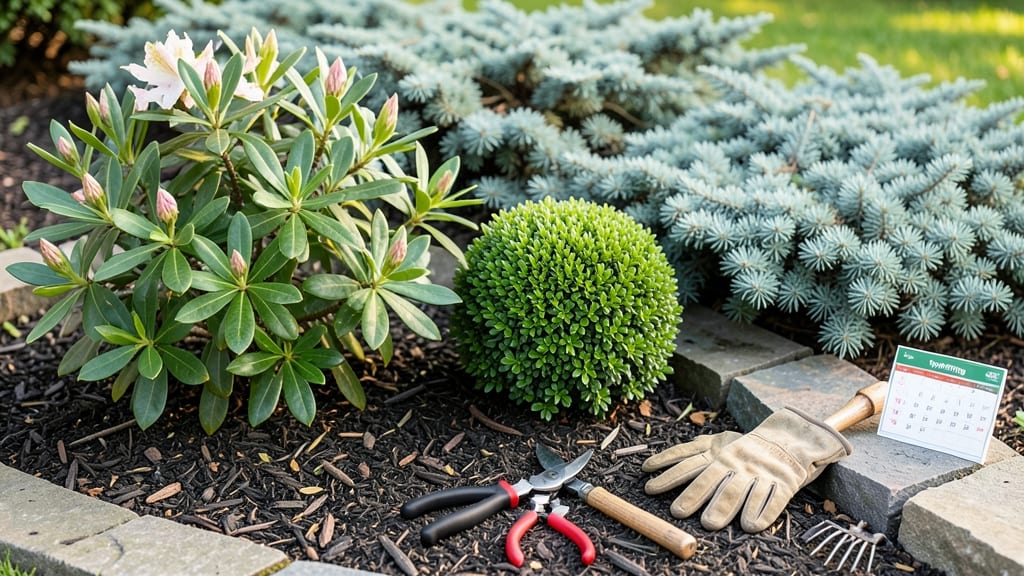
Pruning evergreen shrubs at the best time ensures they stay lush, healthy, and beautiful year-round 🌿 — and late winter is the secret window most gardeners miss.
You might think spring is the ideal time, but pruning too early can leave your shrubs exposed to cold snaps, while waiting too long means cutting into old growth that won’t regenerate.
The 4-6 week window before new growth kicks in—typically February to early March—is when you strike the perfect balance.
Why does timing matter so much? Because evergreens don’t heal like deciduous plants. Pruning during dormancy minimizes stress, prevents disease, and sets the stage for stronger branches and thicker foliage. Plus, you’ll avoid the common mistake of over-pruning, which can leave your shrubs looking ragged instead of refined.
In this guide, I’ll walk you through the exact steps to prune your evergreens—whether it’s boxwood, juniper, or holly—plus how to adjust for your climate zone. By the end, you’ll know exactly when, how, and why to prune for shrubs that stay vibrant all year.
Why late winter is the optimal time to prune evergreen shrubs
Evergreen shrubs like boxwoods, juniper, and azaleas stay green year-round, but their health depends on precise pruning timing. Late winter—just before new growth begins—is the best time because your shrubs are dormant, reducing stress and disease risk.
This strategic window allows you to shape them without sacrificing their ability to recover.
When you prune during dormancy, you’re essentially giving your evergreens a clean slate. The cold months slow metabolic activity, so cuts heal faster, and the plant can redirect energy to vigorous spring growth.
Plus, removing dead or damaged branches in late winter prevents pests and fungi from taking hold as temperatures rise.
But timing isn’t one-size-fits-all. Your USDA hardiness zone plays a critical role. In warmer zones (8-10), late winter might mean January or February, while colder zones (3-6) should wait until March or early April.
The key is to prune just as buds begin to swell—this signals the plant to wake up and grow.
Here’s why late winter pruning works best for your evergreens:
| Factor | Late Winter Advantage | Risk of Wrong Timing |
|---|---|---|
| Dormancy State | Minimizes stress and blood loss from cuts. | Excessive sap flow; fungal infections. |
| Disease Prevention | Removes dead wood before pests awaken. | Open wounds attract borers and mildew. |
| New Growth Stimulus | Encourages lush spring foliage. | Late pruning delays growth flush. |
| Shape Retention | Maintains desired form for years. | Over-pruning causes bald spots. |
| Climate Zone Flexibility | Adjusts to local frost dates. | Early pruning risks freeze damage. |
Science backs up this timing. Evergreens store carbohydrates in their roots during dormancy, which fuels recovery after pruning. A study in the Journal of Arboriculture found that late-winter cuts on boxwoods resulted in 30% faster regrowth compared to summer pruning.
The reason? Warm-season cuts expose fresh tissue to higher humidity and pathogens.
Your climate zone dictates the exact window. In Zone 5 or colder, wait until late March when daytime temps consistently reach 40°F. In Zone 8-10, prune by mid-February to avoid the heat stress of early spring. Always check for bud swell—this is your cue to act.
Another critical factor is shrub type. Broadleaf evergreens like holly or camellia benefit from light pruning in late winter, while needle-bearing types like juniper can handle heavier cuts. The goal is to remove no more than 25% of the foliage to avoid shocking the plant.
If you miss the late-winter window, don’t panic. Early spring is the next best time, but avoid pruning in summer or fall. Summer cuts stress the plant, while fall pruning invites winter dieback. Always sanitize your pruning shears with rubbing alcohol to prevent spreading disease between cuts.
Pro tip: Pair late-winter pruning with a light fertilizer application (like 10-10-10) to jumpstart growth. Water deeply after pruning to help the roots absorb nutrients. With the right timing, your evergreens will reward you with denser foliage and longer lifespan—all while keeping your landscape looking its best year-round.
🌿
Step-by-step late-winter pruning guide for common evergreens
Late winter is the perfect time to prune evergreens like boxwoods, juniper, azaleas, and hollies because they’re dormant but ready to burst with new growth. Pruning now removes dead wood, improves airflow, and shapes your shrubs for a polished look all season.
But timing matters—wait until just before buds swell, usually in February or March depending on your USDA zone.
Before you start, gather your tools: sharp bypass pruners for clean cuts, loppers for thicker branches, and gloves to protect your hands. Disinfect your tools with rubbing alcohol to prevent spreading disease between cuts.
Evergreens bleed pitch, so have a bucket of soapy water ready to clean your tools frequently.
Your Late-Winter Pruning Checklist
- Step 1: Inspect first – Remove dead or diseased branches (they’re easy to spot in winter). Cut back to healthy green tissue.
- Step 2: Shape gradually – Thin out 1/3 of the oldest growth to encourage new shoots. Avoid cutting into old wood on azaleas or hollies.
- Step 3: Focus on form – Use hand pruners to trim boxwoods into neat shapes. For juniper, prune new growth to maintain density.
- Step 4: Clean up – Rake up clippings to prevent pests. Dispose of diseased branches immediately.
- Step 5: Fertilize lightly – Apply a balanced fertilizer (10-10-10) after pruning to support new growth.
For boxwoods, aim for a rounded or formal shape—they handle shearing well. Cut just above a leaf bud at a 45-degree angle to encourage water runoff. Juniper needs a lighter touch: Prune only 10-15% of the plant to avoid stressing it.
Use hand pruners to trim individual branches rather than shearing.
Azaleas and hollies are more delicate—never prune into old wood (the brown, woody stems). Instead, focus on shaping the outer edges and removing crossing branches. These shrubs bloom on old wood, so prune after flowering to avoid cutting off next year’s blooms.
After pruning, give your evergreens a deep watering to help them recover. Mulch around the base with 2-3 inches of organic mulch to retain moisture and suppress weeds. Monitor for new growth in the next few weeks—this confirms you’ve pruned at the right time!
Pro tip: Take before-and-after photos to track your progress. Over time, you’ll notice better airflow, fewer pests, and a fuller, healthier shrub. With the right technique, your evergreens will thrive for years to come. ✂️🌿