
Pruning
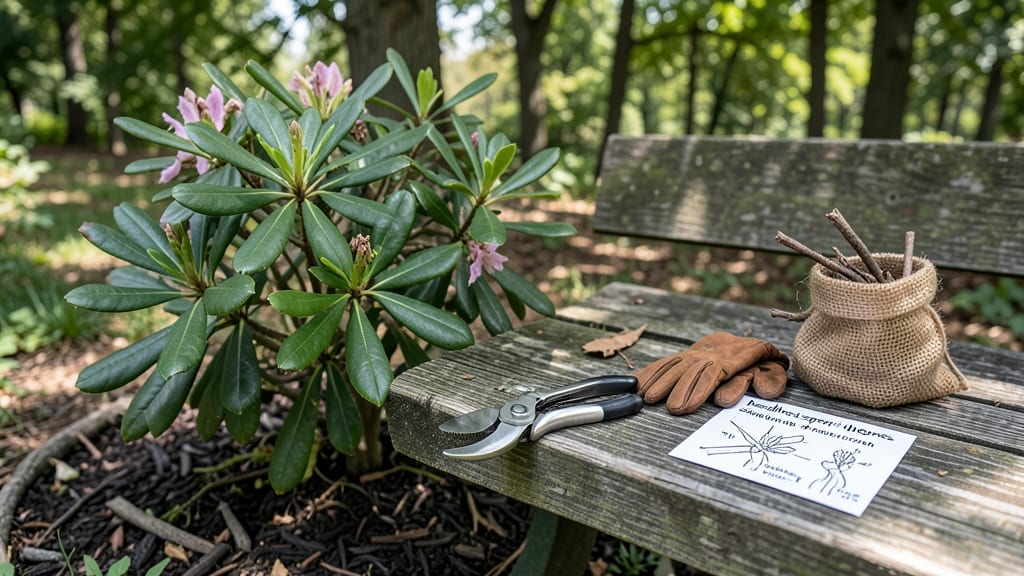
When to prune rhodies after they bloom is the secret to keeping your 🌸 shrubs lush and full of flowers for years to come.
Here’s the hard truth: cutting back too early can mean next year’s stunning blooms never appear, while waiting too long risks stressing your plant. Most gardeners get this timing wrong—and it’s costing them vibrant displays.
But there’s a simple, science-backed schedule that works for every type of rhododendron, whether you’re in a cool mountain zone or a humid coastal climate.
Timing isn’t just about when you prune—it’s about how your rhododendron’s growth cycle syncs with your local climate. In USDA Zones 5-8, the best window is just after flowering, but regional tweaks can mean the difference between a thriving shrub and one that struggles.
I’ll walk you through the exact steps, tools, and even common mistakes to avoid so your rhodies stay healthy and blooming year after year.
Ready to master the art of pruning? You’ll discover how to shape your shrubs without sacrificing next season’s flowers, plus how to adjust for your specific climate. Let’s get started—your rhododendrons will thank you!
The best time to prune rhododendrons by bloom season
Rhododendrons (rhodies) burst into color with their iconic blooms, but their flowering cycle depends entirely on when you prune. Cut at the wrong time, and you’ll either sacrifice next year’s blossoms or stress your plant. The key? Pruning after blooms fade but before new buds form.
But here’s the catch: not all rhodies bloom at once. Some burst into color in early spring, while others wait until late spring or summer. Let’s break it down by bloom season so you never miss the window.
Understanding your rhododendron’s bloom timing is critical. Early bloomers like ‘Catawbiense’ or ‘Praecox’ open their flowers as early as March or April, while late varieties such as ‘Elizabeth’ or ‘Nova Zembla’ might not peak until June or July.
Pruning too early for late bloomers means cutting off next year’s flower buds, which form on old wood. Pruning too late for early bloomers risks overwintering damage or fungal infections.
Here’s the golden rule: Prune after blooms fade but before new buds swell. For most rhodies, this means late spring to early summer (May to June). But if you have a mixed collection, you’ll need a customized schedule.
Below, we’ve mapped out the best pruning windows for early, mid, and late-blooming varieties to keep your garden vibrant year after year.
⚠️ Visual Guide: Pruning Windows by Bloom Season
If you’re unsure about your rhododendron’s bloom timing, observe it for a year. Note when flowers open fully and when they start wilting. This gives you the perfect pruning window.
For example, if your ‘Nova Zembla’ blooms in June, wait until July to prune—never before! The goal is to preserve next year’s buds while encouraging healthy growth.
Another pro tip: Light pruning (removing only spent blooms or dead branches) can be done year-round, but heavy pruning should always align with your rhododendron’s bloom cycle. Over-pruning—especially in fall or winter—can leave your plant vulnerable to frost damage and reduced flowering the following season.
For overgrown rhodies that need rejuvenation pruning, spread the work over 2-3 years. Cut back one-third of the oldest stems each year after blooming. This stimulates new growth without shocking the plant.
For instance, if your rhododendron blooms in May, prune one-third of the stems in June, another third the following year, and the last third the year after.
Regional differences also play a role. In warmer climates (Zones 7-9), rhodies may bloom earlier or later than in cooler zones (Zones 3-6). For example, Southern gardeners might prune
Step-by-step pruning guide: what to cut and when to avoid mistakes
Pruning rhododendrons correctly keeps them lush and blooming, but the wrong cuts can stress your plant. Start by gathering your tools: sharp bypass pruners for clean cuts, loppers for thicker branches, and sterilized shears to prevent disease. Always prune on a dry, sunny day to help wounds heal faster.
Your first step is deadheading—removing spent blooms. This encourages new flower buds for next year. Use your fingers or pruners to snip just above the first healthy leaf or bud.
Avoid cutting into old wood, as this won’t produce new growth. Focus on late spring after blooms fade, but never after mid-July.
For shaping pruning, wait until early summer after your rhododendron finishes flowering. Lightly trim overcrowded branches to improve airflow and reduce disease risk. Never remove more than 25% of the plant’s foliage in one session—this can shock the shrub. Aim for an open, vase-like shape to showcase the blooms.
⚠️ WARNING: Pruning Rhododendrons at the Wrong Time ⚠️
For rejuvenation pruning, older rhododendrons may need a reset. In late winter (before buds swell), cut back one-third of the oldest branches to the ground. This stimulates new growth but reduces blooms for 1-2 years.
Space out cuts over 2-3 years to avoid over-stressing the plant. Always sterilize tools between cuts to prevent bacterial canker.
Watch for over-pruning signs: yellowing leaves, stunted growth, or no new buds. If you see bare stems or excessive leaf drop, you’ve pruned too aggressively.
Rhododendrons are resilient but need time to recover. After pruning, apply a 2-inch layer of mulch around the base to retain moisture and protect roots.
Finally, clean up your workspace. Dispose of pruned branches in the trash—never compost them if they show signs of disease. Sterilize tools with rubbing alcohol or a 10% bleach solution to prevent spreading pathogens.
With the right timing and technique, your rhododendrons will reward you with vibrant blooms for years to come. 🌸