
How To
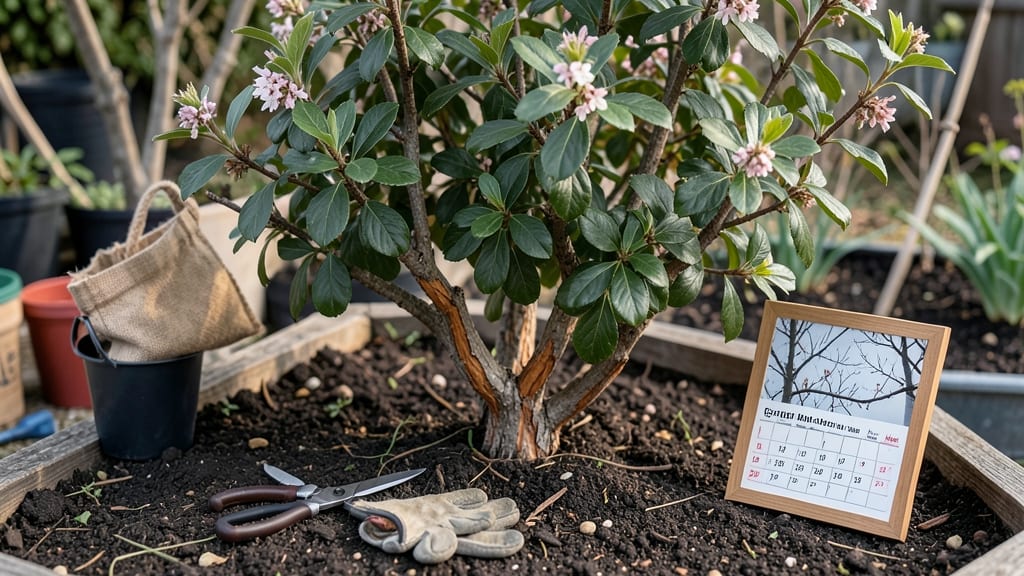
To prune Physocarpus (Ninebark) at the right time means the difference between a lush, blooming shrub and one that struggles to recover.
Pruning your Ninebark 🌿 at the wrong time can stunt its growth or invite pests—so timing is everything for a thriving, blooming shrub. Whether you’re shaping a young plant or rejuvenating a mature one, the best season depends on your goals: more flowers, better airflow, or simply keeping it tidy.
Late winter or early spring is the golden window for most pruning tasks, but post-flowering cuts can encourage even more blooms next year. Regional differences matter too—if you’re in USDA Zone 6a, aim for late February to early March before new growth starts.
Below, I’ll walk you through the exact steps for each season, how to spot mistakes before they harm your shrub, and why a little patience now saves hours of cleanup later.
Best seasons to prune Physocarpus for optimal growth and flowering
Timing your Physocarpus (Ninebark) pruning is critical—cut at the wrong time, and you risk reduced flowering, poor shape, or even disease susceptibility. This hardy shrub thrives when pruned strategically, aligning with its natural growth cycles.
Whether you're shaping for aesthetics or encouraging new blooms, understanding the best seasons makes all the difference. Let’s break down when and why to prune for optimal results.
Ninebark typically blooms on old wood, meaning flowers form on branches from the previous year. This means late winter or early spring pruning is ideal—before buds swell but after the last frost date.
However, some varieties benefit from post-bloom pruning to maintain shape. The key is balancing flower production with shrub health and aesthetic goals. Let’s explore the best windows and their unique advantages.
⚠️ NON-NEGOTIABLE: Avoid pruning in fall or winter (outside late winter) unless removing dead or diseased wood. Cold weather slows healing, and late-season cuts can leave your Ninebark vulnerable to fungal infections or winter dieback. Timing isn’t just about when—it’s about why you’re pruning.
| Season | Best Time | Purpose | Impact on Flowers | Notes |
|---|---|---|---|---|
| Late Winter | After last frost, before buds swell (Feb-March) | Remove dead/diseased wood, thin crowded branches | Preserves old wood blooms for next season | Ideal for rejuvenation pruning every 3-5 years |
| Early Spring | March-April (before leaves emerge) | Shape shrub, remove weak growth | Minimal impact on current year’s blooms | Best for maintenance pruning annually |
| Post-Bloom (Summer) | June-July (after flowering) | Light shaping, remove spent flowers | Encourages new growth for next year | Avoid heavy pruning—focus on cleanup |
| Fall (Avoid) | September-October (only for dead wood) | Remove diseased branches only | Risk of reduced blooms next season | Never prune for shape in fall |
Pruning in late winter (after the last frost) is my top recommendation for most Ninebark varieties. This timing allows you to remove dead wood and thin out crowded branches before new growth begins.
Since Ninebark blooms on old wood, cutting back now won’t sacrifice next year’s flower production. Plus, fresh cuts heal faster in warmer spring temperatures, reducing disease risk.
For post-bloom pruning in summer, focus on light shaping and removing spent flowers to encourage new growth for the following season. Avoid heavy pruning—this can stress the shrub and reduce next year’s blooms.
Instead, trim just enough to maintain shape and improve airflow, which keeps your Ninebark healthy and pest-free.
If you’re dealing with an overgrown Ninebark, consider rejuvenation pruning in late winter. This involves cutting back 1/3 of the oldest stems to the ground to stimulate new growth.
It’s a drastic but effective way to revive a neglected shrub, but only attempt it every 3-5 years to avoid overstressing the plant.
Regional differences matter! In warmer climates (Zones 8-10)
How to prune Physocarpus by growth stage: step-by-step guide
Pruning your Physocarpus (Ninebark) correctly depends entirely on its growth stage. Young shrubs need gentle shaping, while mature plants require rejuvenation cuts to maintain health. Each stage demands different techniques to avoid stressing the plant or inviting disease. Understanding these cues ensures your shrub thrives for years.
For young Physocarpus (under 3 years old), focus on removing dead or crossing branches while encouraging an open, airy structure. This prevents future crowding and improves airflow. Mature shrubs, however, benefit from harder pruning to rejuvenate growth and maintain their size.
Visual cues matter: Look for dead wood (brown, brittle stems) or branches rubbing together. These are your first targets. For mature shrubs, also watch for overcrowded centers where sunlight struggles to reach.
Step-by-Step Pruning Guide by Growth Stage
- Step 1: Young Shrubs (1-3 years) – Prune in late winter or early spring before new growth begins. Remove 10-20% of branches, focusing on dead wood and crossing branches.
- Step 2: Mature Shrubs (3+ years) – Prune in late winter or early spring (or post-flowering if blooms are sparse). Cut back 1/3 of oldest stems to the ground to rejuvenate growth.
- Step 3: Shape for Airflow – Thin out dense inner branches to improve circulation. Aim for an open vase shape to prevent fungal issues.
- Step 4: Remove Water Sprouts – Cut out vertical shoots growing from the base or trunk. These weaken the shrub and disrupt its natural form.
- Step 5: Clean Up – Sterilize pruners with rubbing alcohol between cuts. Remove all pruned debris to reduce disease risk.
When pruning young Physocarpus, avoid cutting into the center of the shrub. This can create a hollow center that never fills in. Instead, focus on outer branches to encourage a fuller shape over time.
For mature shrubs, always prune oldest stems first. These are the thickest, woody branches at the base. Cutting them back to the ground level stimulates new growth from the roots, keeping your shrub vibrant.
After pruning, apply a layer of mulch around the base to retain moisture and protect roots during the growing season. Water deeply to help the shrub recover from the stress of pruning.
With the right approach, your Physocarpus will reward you with lush foliage and vibrant blooms for seasons to come. ✂️🌿