
Pruning
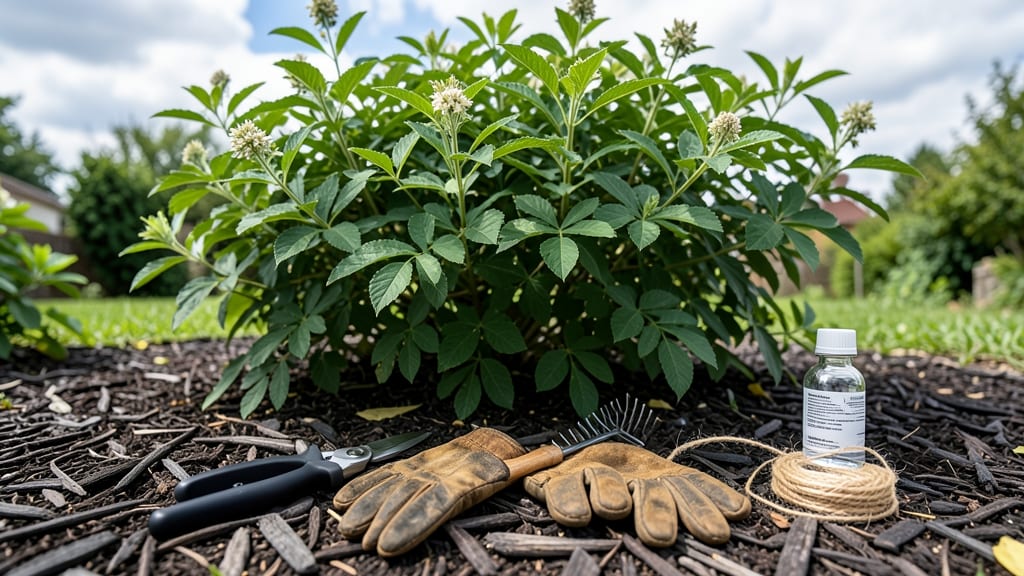
Vitex tree pruning in late winter transforms a tangled mess into a vibrant, flowering powerhouse—and I’ve perfected the method after years of trial and error. 🌿 The key? Cutting before buds swell, when the tree’s energy is dormant but ready to rebound. One wrong move and you’ll stunt growth; do it right and you’ll trigger lush, purple blooms by summer.
You’ll need sharp bypass pruners, thick gardening gloves, and a bottle of rubbing alcohol for disinfecting cuts. Skip the hedge trimmers—they tear bark and invite disease. Focus on removing dead, crossing, or weak branches first, then thin the center to let light reach the inner canes.
Think of it like giving your tree a haircut: shape matters, but airflow matters more.
After pruning, give the tree a deep watering and a slow-release fertilizer to fuel new growth. Watch for sap bleeding—it’s normal, but if it gushes, you cut too deep.
Within 4-6 weeks, you’ll see fresh green shoots pushing out, and by early summer, those signature purple flower clusters will appear. The best part? Vitex handles pruning like a champ, so you can repeat this every year.
For larger, overgrown trees, consider rejuvenation pruning: cut back one-third of the oldest canes to the ground. It’s drastic but breathes new life into neglected vitex.
Just avoid pruning in fall—new growth won’t harden off before winter, and you’ll risk frost damage. Now grab those pruners and let’s get to work!
📚 In This Guide
- What you need
- Instructions
- Tips and common mistakes
- Wrapping up and next steps
What you need
- ● Pruning shears – Bypass pruners (sharp, 6-8" blades) for small branches (1/4"–3/4" diameter). Anvil pruners are a budget-friendly backup.
- ● Loppers – Bypass loppers (18–24" handles) for medium branches (3/4"–2" diameter). Look for ratchet-style for extra leverage.
- ● Pruning saw – Curved-tooth saw for thick branches (2"+ diameter). A foldable design saves space.
- ○ Extension pole – 10–15 ft telescoping pole with pruning saw attachment for high branches (optional but helpful for tall Vitex).
- ● Work gloves – Heavy-duty, cut-resistant (e.g., Mechanix or similar) to protect hands from thorns and splinters.
- ● Safety glasses – ANSI-rated to shield eyes from debris.
- ● Ladder (if needed) – Sturdy, 4-wheel extension ladder (20–30 ft) rated for your height + 3 ft clearance. Never stand on the top 3 rungs!
- ● Heavy-duty trash bags – 10–20 gallon capacity (knot or tape shut to contain debris).
- ○ Disinfectant (optional but recommended) – 70% isopropyl alcohol or 10% bleach solution (1 part bleach to 9 parts water) to sterilize tools between cuts and prevent disease.
- ● Rag or paper towels – For wiping tool blades and hands.
- ○ Pruning sealant (optional) – Tree wound dressing (e.g., Tanglefoot Tree Wound Pruning Sealer) for large cuts (1"+ diameter) to minimize sap loss.
- ● Timing – Prune during late winter/early spring (dormant season), before new growth begins (typically February–March in most U.S. zones).
- ● Weather – Choose a dry, calm day (no rain forecast for 24 hours). Avoid pruning in extreme heat or cold.
- ● Safety first – Check for power lines if your Vitex is near electrical wires. Call 811 (U.S.) to locate underground utilities if needed.
- ● Plan ahead – Sketch a rough outline of cuts to remove dead, diseased, or crossing branches first. Aim to open the canopy for airflow.
Step-by-Step instructions for pruning vitex trees in dormant season
Here's how to transform your vitex into a stronger, more productive shrub with just a few strategic cuts.
✂️ Step 1: Gather Tools and Safety Gear
Start by collecting your tools: a pair of clean, sharp pruning shears for small branches and loppers for thicker canes. I always disinfect my tools with rubbing alcohol before starting—this prevents spreading disease between cuts. Wear gloves to protect your hands from thorns and sap, and have a bucket ready to collect debris.
Check the weather forecast. Prune on a dry, calm day when temperatures are above 40°F—this ensures clean cuts and faster healing. Avoid pruning if rain is expected within 24 hours, as wet conditions slow the sealing process and invite fungal infections.
🌿 Step 2: Identify and Remove Dead or Diseased Wood
Scan your vitex for dead branches—these will be gray, brittle, and snap easily when bent. Cut these back to the main trunk or to a healthy lateral branch using a 45-degree angle just above a bud or outward-facing growth point. I like to make my cuts just outside the branch collar (the swollen area where the branch meets the trunk) to encourage faster healing.
Look for diseased canes—these may have black spots, oozing sap, or unusual discoloration. Remove these entirely, even if it means sacrificing part of the plant. Burn or dispose of diseased wood immediately (don’t compost it). Healthy vitex wood should be green or brown inside when cut—if it’s hollow or mushy, it’s time to prune it out.
✂️ Step 3: Thin Out Crowded Canes for Better Airflow
Vitex thrives when it has good airflow around its branches. Start by removing 1/3 of the oldest, thickest canes at the base—these are the ones that no longer produce vibrant blooms. Cut them back to the ground or to a strong lateral branch. I always step back after each cut to visualize the plant’s shape; this helps me see where branches are competing for sunlight.
Next, look for crossing or rubbing branches—these create wounds where pests and disease can enter. Prune one of the branches where they intersect, cutting back to a healthy bud. Avoid leaving stubs; always make clean cuts just above a bud or branch collar. You’ll notice the plant’s structure opens up immediately, which is your signal you’re on the right track.
☀️ Step 4: Shape the Plant for Optimal Growth
Now’s the time to refine the shape of your vitex. If you want a bushier form, cut back some of the longer canes by 1/3 to 1/2 their length. For a more open, airy look, prune selectively to allow sunlight to reach the center. I like to create a natural tiered effect by leaving some branches longer at the top and shorter at the bottom—this mimics the plant’s natural growth pattern.
Pay attention to water sprouts—these are fast-growing, vertical shoots that appear in the center of the plant. These saplings steal energy from the rest of the plant, so prune them back to a lateral branch or the main trunk. You’ll see new, stronger growth emerge from the sides within a few weeks, signaling your pruning was successful.
🪴 Step 5: Clean Up and Apply Post-Pruning Care
After pruning, remove all debris from the area—this prevents pests and diseases from overwintering. I like to spread a 2-inch layer of mulch around the base of the plant (but not touching the trunk) to retain moisture and suppress weeds. Water the plant deeply to help it recover from the stress of pruning.
Monitor your vitex over the next few weeks. If you see new growth emerging from the pruned areas, that’s a good sign! Avoid fertilizing immediately after pruning—wait until new leaves appear (usually in 4-6 weeks) before applying a balanced fertilizer. This gives the plant time to recover and establish new roots.
Tips & tricks for pruning vitex trees like a pro
These simple tricks will help you transform your vitex into a thriving, healthy shrub with minimal effort.
Tool Prep Matters: I can't stress enough how important it is to disinfect your pruning shears and loppers before you start. I've seen fungal infections spread across entire gardens just because someone skipped this step. Use rubbing alcohol or a 10% bleach solution to clean your tools between cuts—especially when moving from diseased branches to healthy ones. This 2-minute prep prevents weeks of frustration down the road.
Visual Cues for Healthy Cuts: When making your 45-degree cuts in Step 2, look for the branch collar—the swollen area where the branch meets the trunk. This is your target spot for clean cuts that heal properly. I always make my cuts just outside this collar, which creates a natural seal that prevents water from pooling and causing rot. The wood inside should be green or brown—if it's hollow or mushy, that's your signal to prune it out completely.
Shape with Purpose: In Step 4, when shaping your vitex, think about sunlight exposure. I like to create a natural tiered effect by leaving longer branches at the top and shorter ones at the bottom. This mimics how vitex grows naturally and ensures all parts of the plant get adequate sunlight. You'll notice the plant's structure opens up immediately after removing crossing branches—this improved airflow is what prevents those pesky fungal issues we all dread.
Post-Pruning Recovery: That 2-inch layer of mulch in Step 5 isn't just for looks—it's a game-changer for recovery. The mulch helps retain moisture while suppressing weeds that compete with your vitex for nutrients. I've found that plants mulched properly show new growth within 3-4 weeks, while those without mulch take significantly longer. Water deeply after pruning to help the plant recover from the stress of cutting.
Pro Tips for Vitex Tree Pruning
- These simple tricks will help you transform your vitex into a thriving, healthy shrub with minimal effort.
- Tool Prep Matters: I can't stress enough how important it is to disinfect your pruning shears and loppers before you ...
- Visual Cues for Healthy Cuts: When making your 45-degree cuts in Step 2, look for the branch collar—the swollen area ...
Frequently asked questions
Got questions about pruning your vitex tree? You’re not alone!
Whether you're a first-time pruner or just want to refine your technique, these answers will help you navigate the process with confidence. Let’s dive in!
When is the best time to prune a vitex tree?
The ideal window for pruning vitex is late winter or early spring—just as new growth begins but before buds swell. This timing promotes vigorous regrowth and minimizes stress on the plant. Avoid pruning in fall or summer, as it can leave canes vulnerable to disease or frost damage.
How much of my vitex tree can I safely prune?
You can remove up to one-third of the oldest canes per year to encourage new growth. Focus on thinning out crowded branches, dead wood, and crossing limbs. For mature trees, aim to rejuvenate by cutting back 2-3 year-old stems to ground level—just don’t overdo it in a single season!
What should I do if my vitex tree doesn’t bloom after pruning?
If your vitex skips blooming, it might be due to over-pruning or insufficient sunlight. Ensure you’re leaving enough mature canes (3-5 years old) to produce flowers. Also, check for pests or nutrient deficiencies—vitex thrives in well-draining soil with plenty of sunlight. A balanced fertilizer in spring can help!
Can I prune vitex in summer for better shape?
While you can prune vitex in summer, it’s not ideal. Light trimming to shape is fine, but heavy pruning can stress the plant and reduce flowering. If you must prune in summer, do so early in the morning to minimize heat stress, and avoid cutting back more than 10-15% of the foliage.
What’s the difference between pruning vitex for flowers vs. for shape?
| Goal | Pruning Focus | When to Do It |
|---|---|---|
| Flowers | Remove oldest canes (3+ years) to stimulate new growth where blooms form. Leave younger canes (1-2 years) for next year’s flowers. | Late winter/early spring |
| Shape | Trim overgrown branches and thin out dense areas. Avoid heavy cuts that remove flowering wood. | Late winter or early summer (light trims only) |
Pro tip: For a balanced approach, prioritize flower-focused pruning in winter and light shaping in summer.
Wrapping up and next steps
Pruning your vitex tree during the dormant season is your secret weapon for stronger canes, better airflow, and stunning blooms—all while keeping pests at bay. 🌿 With the right tools, timing, and technique, you’ll transform your tree into a thriving, low-maintenance centerpiece.
Now that you’re armed with expert tips, there’s no time like the present to grab those pruners and get to work!
Ready to take action? Mark your calendar for late winter or early spring, gather your supplies, and give your vitex the fresh start it deserves. Your future self—and your tree—will thank you! 🌟