
Pruning
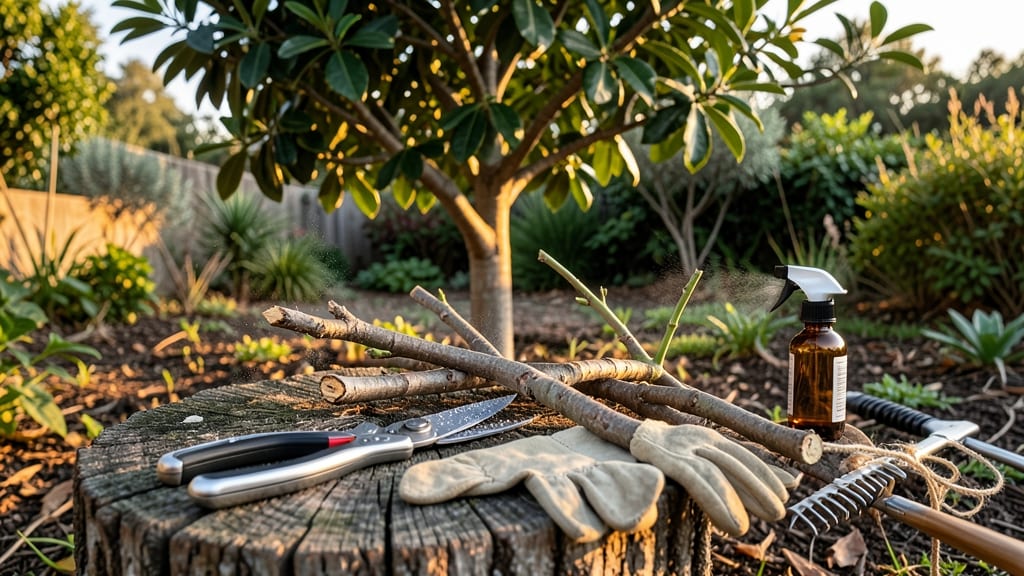
Pruning your avocado plant isn't just about trimming—it's the secret to bushier growth and a stronger tree. 🌿 I learned the hard way that skipping pruning leads to leggy, sparse plants, but with the right cuts, you'll encourage dense foliage and more fruit potential.
The key is timing: indoor plants need pruning when they outgrow their space, while outdoor trees benefit from late winter or early spring shaping before new growth starts.
You only need three tools: sharp pruning shears, rubbing alcohol (to sterilize cuts), and a small brush to clean up debris. Focus on removing dead or crossing branches first—these compete for energy.
Then, cut just above a leaf node at a 45-degree angle to encourage outward growth. Avoid cutting more than one-third of the plant at once, or you'll shock it into dormancy.
The payoff comes in 6-8 weeks: new shoots emerge from the cut points, filling out the plant's shape. Your avocado will develop a sturdy structure that supports more leaves—and eventually, fruit. The best part? Pruned plants recover faster from pests and diseases because airflow improves.
This method works for both potted plants and young outdoor trees. For mature trees, focus on thinning branches to let sunlight reach the center. Start small, and you'll see dramatic improvement in just one growing season.
📚 In This Guide
- What you need
- Instructions
- Tips and common mistakes
- Wrapping up and next steps
What you need
- ● Pruning shears: Sharp, bypass-style shears (4–6 inches) for small branches (under ½ inch thick). Sterilize with rubbing alcohol before and after use to prevent disease.
- ● Loppers: Heavy-duty, bypass or anvil-style loppers (8–12 inches) for medium branches (½–2 inches thick). Look for ergonomic handles for comfort.
- ● Pruning saw: A curved-tooth handsaw for thick branches (2+ inches). Opt for a foldable design for portability.
- ● Gloves: Cut-resistant gardening gloves (size medium/large) to protect hands from thorns and sap.
- ● Disinfectant: 70% isopropyl alcohol or a commercial pruning spray (e.g., 10% bleach solution) to sterilize tools.
- ● Rubbing alcohol wipes: For quick tool sterilization between cuts.
- ● Sealant: Pruning sealant (e.g., Tanglefoot Tree Wound Pruning Seal) for large cuts (over 1 inch) to prevent disease.
- ● Ladder or step stool: If your avocado tree is tall (6+ feet), a stable, non-slip ladder is a must.
- ● Trash bags: For collecting pruned branches and debris.
- ● Notebook/pencil: To sketch your pruning plan or note growth patterns.
- ● Knowledge of your avocado variety: Some types (e.g., Hass, Fuerte) respond better to specific pruning styles.
- ● Weather check: Prune on a dry, overcast day or early morning to reduce stress on the plant.
- ● Safety first: Wear closed-toe shoes and avoid pruning during wet conditions to prevent slips.
Pruning avocado plant: Step-by-Step shape secrets for bushier growth
Here's my foolproof method for keeping your avocado tree lush, balanced, and full of fruit—no more leggy, bare stems!
✂️ Step 1: Identify the Right Time to Prune
Avocados respond best to pruning during their active growing season, which runs from late spring through early fall. I always wait until after the last frost in your area—new growth is tender and vulnerable to cold damage. The best time is just after a flush of new leaves appears, signaling the plant's energy is focused on growth rather than recovery.
Never prune in winter unless you're in a frost-free zone. Dormant plants handle stress poorly, and you risk encouraging weak, sparse regrowth. Watch for new shoots emerging from the leaf axils—that's your cue the plant is ready for shaping.
🌿 Step 2: Choose the Right Tools and Prepare the Plant
Use only sharp, clean pruning shears for cuts smaller than ½ inch thick, and a pruning saw for thicker branches. Sterilize your tools with rubbing alcohol between cuts to prevent spreading disease. I like to wear gloves—avocado sap can irritate skin, and the leaves have tiny hairs that itch.
Examine the plant for dead, diseased, or crossing branches first. These take priority over shaping cuts. Remove any branches growing directly inward toward the center of the plant—they'll compete with each other and create a dense, shaded interior that discourages fruit production. Look for V-shaped branch unions where limbs meet the trunk; weak, U-shaped unions are prone to splitting later.
✂️ Step 3: Make Strategic Cuts for Bushier Growth
Start by removing up to 25% of the plant's foliage in one session. For shaping cuts, always prune just above a leaf node (the bump where leaves attach) at a 45-degree angle. This encourages new growth to sprout from that node. Avoid cutting flush with the trunk—you'll leave a wound that takes forever to heal.
Focus on the outer third of the plant first. New growth here fills out the shape naturally. For leggy stems, cut back to the nearest strong lateral branch or leaf node. You'll see new shoots emerge within 2-3 weeks—that's your reward for patience. Never remove more than ⅓ of the plant in a single pruning session, or you'll shock it into dormancy.
☀️ Step 4: Maintain Year-Round with Light Trimming
After your major spring/fall pruning, do light maintenance every 4-6 weeks to keep the shape tidy. Pinch back the tips of new growth to encourage branching—just snip off the last ¼ inch of the stem. This is where avocado trees get their bushy, tree-like form instead of a single trunk with sparse branches.
Watch for water sprouts—those fast-growing, weak shoots that pop up in the center or along the trunk. Remove them immediately, as they drain energy from fruit production. Thin out crowded branches to improve airflow, which reduces humidity and fungal diseases. A well-pruned avocado should have open, airy branches with sunlight reaching the inner leaves.
⏰ Step 5: Post-Pruning Care for Strong Recovery
Water deeply right after pruning to help the plant recover. The roots will need to support new growth, and the soil should stay evenly moist but not soggy for the first 2-3 weeks. Avoid heavy fertilizing immediately—focus on root establishment first. I wait until new growth is 3-4 inches long before adding a balanced fertilizer.
Keep the plant in bright, indirect light for a week after major pruning. Direct sun can stress fresh cuts, and the plant will need time to harden new growth. You'll notice shiny new leaves within 4-6 weeks—that's your signal everything is working. If you see yellowing leaves, it's usually a sign of overwatering or nutrient deficiency, not pruning shock.
Tips & tricks for perfect avocado plant pruning
These simple strategies will transform your avocado tree from sparse to lush—without the guesswork.
Timing is Everything: The active growing season between late spring and early fall is your golden window for pruning. I learned this the hard way after accidentally pruning in winter and watching my plant struggle to recover. Always wait until after the last frost and look for those telltale new shoots emerging from leaf axils—this means the plant is ready for shaping and won't waste energy trying to heal.
Precision Cuts Matter: When making your strategic cuts in Step 3, remember that the 45-degree angle above the leaf node isn't just decorative—it's how you encourage new growth to sprout from that exact spot. I've seen beginners cut too close to the trunk, leaving ugly wounds that take forever to heal. Always leave a small bump where the cut meets the branch to prevent water from pooling and causing rot.
Maintenance is Key: Those light trims every 4-6 weeks might seem tedious, but they're what keep your avocado looking its best year-round. I treat them like a spa day for my plant—pinching back those water sprouts immediately prevents them from stealing energy from fruit production. Think of it as giving your tree a haircut to keep it looking polished and healthy.
Recovery Care Saves the Day: After your major pruning, that first 2-3 weeks of even moisture is critical. I've seen plants wilt dramatically when people either overwater or forget to water at all during this recovery period. Keep the soil consistently moist but never soggy, and resist the urge to fertilize too soon—the roots need time to establish before supporting all that new growth.
Pro Tips for Pruning Avocado Plant
- These simple strategies will transform your avocado tree from sparse to lush—without the guesswork.
- Timing is Everything: The active growing season between late spring and early fall is your golden window for pruning....
- Precision Cuts Matter: When making your strategic cuts in Step 3, remember that the 45-degree angle above the leaf no...
Frequently asked questions
Got questions about pruning your avocado plant? You’re not alone! Here are some of the most common concerns—plus quick, actionable answers to keep your tree thriving.
When is the best time to prune an avocado plant?
Prune your avocado plant during its dormant season (late winter to early spring) for best results. However, light pruning can be done year-round to remove dead or diseased branches. Avoid heavy pruning in summer, as it stresses the plant and slows fruit production.
How much can I prune an avocado plant at once?
Never remove more than 25-30% of the foliage in a single session. Over-pruning shocks the tree, weakens growth, and can reduce fruit yield. If your avocado is young (under 3 years), focus on shaping rather than heavy cuts to encourage a strong structure.
What should I do if my avocado plant starts bleeding sap after pruning?
Sap bleeding is normal but can attract pests. To minimize it, use sharp, clean tools and prune at a slight angle just above a leaf node. Seal larger cuts with pruning sealant (optional) to speed healing. Avoid pruning during rainy seasons to reduce sap flow.
Can I prune an avocado plant too much?
Yes! Over-pruning can stunt growth, weaken the tree, and even kill it if extreme. Signs of over-pruning include yellowing leaves, sparse foliage, or no new growth. If this happens, reduce future cuts and fertilize to help recovery.
Will pruning my avocado tree increase fruit production?
Pruning improves fruit quality and yield by promoting airflow and sunlight penetration—but only if done correctly. Focus on removing suckers, dead wood, and crowded branches. Avoid "hard pruning" (heavy cuts) unless reviving an overgrown tree, as it can delay fruiting.
Wrapping up and next steps
Pruning your avocado plant isn’t just about keeping it tidy—it’s the secret ingredient for stronger branches, better fruit production, and a bushier, healthier tree. 🌿 With the right tools, timing, and techniques, you’ll unlock its full potential year-round.
Now that you’re armed with the knowledge, roll up your sleeves and give your avocado plant the care it deserves—your future harvest will thank you!
Ready to take the next step? Start small:
- Pick a sunny day and inspect your tree.
- Grab your pruners and follow the steps you’ve learned.
- Watch as your avocado plant transforms into a thriving, fruit-bearing powerhouse!