
Pruning
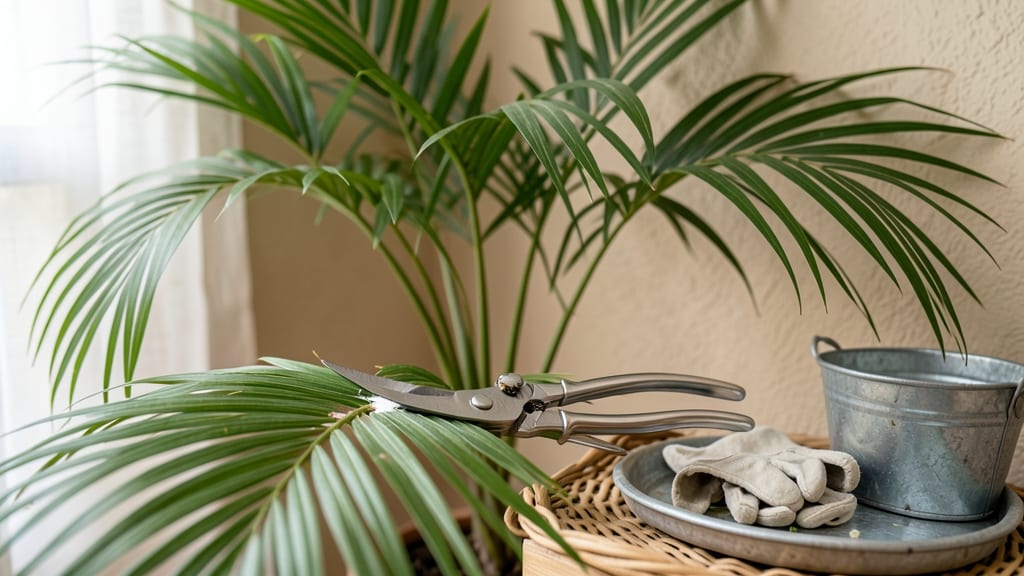
Pruning an areca palm in late winter unlocks its full potential for year-round lushness. ✂️ I’ve watched my own palm transform from a scraggly mess to a vibrant centerpiece after just one careful pruning session—all it takes is the right timing and technique.
The key is removing only the dead or yellowing fronds while preserving the plant’s natural shape, which encourages fresh growth when spring arrives.
You’ll need just three tools: sharp pruning shears, rubbing alcohol for sterilization, and a bucket for debris. Timing matters—wait until late winter when new growth starts but before spring warmth triggers a growth spurt.
This gives your palm time to recover before the active season begins. The process takes about 20-30 minutes for a medium-sized plant, and the results are immediate: cleaner fronds and a healthier base.
After pruning, your palm will reward you with new fronds emerging within weeks, each one brighter and more vibrant than the last. The secret is cutting cleanly at the base of the frond where it meets the trunk, avoiding any lingering stubs.
A little post-pruning care—like keeping the soil slightly moist and placing the plant in bright, indirect light—ensures your palm stays on track for a full revival by summer.
Even experienced gardeners make mistakes here, like over-pruning or using dull tools that tear the fronds. Less is more—only remove what’s clearly dead or damaged. For advanced growers, this is also the perfect time to check for pests hiding in the old fronds.
With the right approach, your areca palm will look like it just got a spa day, ready to thrive all season long.
📚 In This Guide
- What you need
- Instructions
- Tips and common mistakes
- Wrapping up and next steps
What you need
- ● Pruning shears or loppers: Sharp, bypass-style shears (for thin fronds) or loppers (for thicker stems). Choose sterilized, stainless-steel blades to prevent disease. Quantity: 1 pair.
- ● Heavy-duty pruning saw: For thick, woody stems (e.g., 10–12" blade). Example: Fiskars or Felco saw.
- ● Disposable gloves: Nitrile or leather (thick enough to protect against sharp fronds and sap). Quantity: 2–3 pairs.
- ● Disinfectant (70% isopropyl alcohol or bleach solution): 1 part bleach : 9 parts water to sterilize tools between cuts.
- ● Trash bags or compost bin: For removing pruned fronds (avoid leaving debris near the plant). Size: 13-gallon or larger.
- ● Step stool or ladder: Sturdy, non-slip (if your palm is Height: Adjustable, 4–6 ft.
- ● Hand pruners with ratcheting mechanism: For easier cutting on stubborn fronds.
- ● Pruning sealant: Tree wound paint (e.g., Tanglefoot) to protect large cuts (controversial but useful for <6" diameter stems).
- ● Work apron with pockets: Keeps tools organized and sap-free.
- ● Hose or spray bottle: To rinse sap off tools/skin post-pruning.
- ● Camera or phone: Snap before/after photos to track progress!
Step-by-step guide to pruning your areca palm
Revive your palm's natural shape and encourage fresh growth with these simple, effective steps.
✂️ Step 1: Gather Your Tools and Assess the Fronds
Start by sharpening a pair of clean, bypass pruners—dull blades tear fronds instead of cutting cleanly. I also grab a sterilized cutting tool (like rubbing alcohol on a small knife) for any stubborn stems. Examine your palm from top to bottom: healthy fronds have vibrant green color and firm texture, while dead or dying fronds feel brittle and brown.
Look for yellowing fronds at the base—these are the first to go. Dead fronds often have crispy edges or hollow stems when you tap them. Never prune more than one-third of the fronds at once, or you'll shock the plant. I like to mark the fronds I'll remove with a soft pencil to avoid confusion mid-prune.
🌿 Step 2: Remove Dead and Damaged Fronds First
Begin with the lowest fronds—these are the oldest and least productive. Grasp the frond near its base and pull gently upward to see if it detaches easily. If it resists, use your pruners to cut just above the point where the frond meets the trunk, making a clean, angled cut. This prevents water from pooling and rotting the stem.
For fronds that are partially dead (half brown, half green), trim only the brown sections. Leave the green portions intact—they’re still photosynthesizing and feeding the plant. I always step back after each cut to check the balance. If the palm suddenly looks top-heavy, I stop and reassess.
✂️ Step 3: Thin Out Crowded or Overlapping Fronds
Now focus on the middle and upper fronds. Areca palms grow in a feather-like pattern, and over time, fronds can overlap or grow too close together. Use your pruners to trim the outer edges of crowded fronds, leaving the inner, healthier sections intact. This opens up airflow and sunlight to the center of the plant.
Watch for fronds that are leaning too far outward—these can become weak and break easily. Trim them back to a stronger, central branch if needed. I aim to create a gradual taper from the base to the top, with no sudden gaps. If you’re unsure, snap a photo before cutting—you can always compare later.
🪴 Step 4: Clean Up and Encourage New Growth
After pruning, wipe down the trunk with a damp cloth to remove any sap or debris. This prevents fungal growth and keeps the palm looking fresh. Now’s the time to fertilize lightly—use a balanced liquid fertilizer (like 10-10-10) diluted to half strength. This gives your palm a gentle boost to recover and produce new fronds.
Place your palm in a bright, indirect light spot (no harsh sun for a few weeks) and keep the soil evenly moist but not soggy. You’ll see new fronds emerge from the top of the plant within 4-6 weeks. If you notice yellowing at the base after pruning, it’s normal—just trim those fronds as they appear.
⏰ Step 5: Monitor and Maintain Through the Season
Check your palm weekly for new growth. Healthy fronds should unfurl from the top and have a bright green color. If you see brown tips on new fronds, it’s a sign of low humidity—mist the fronds lightly or place a pebble tray under the pot to increase moisture in the air.
Repeat the pruning process once a year, always in late winter or early spring before new growth begins. Avoid pruning in fall or winter, as the plant is already dormant. With consistent care, your Areca palm will stay lush, full, and vibrant for years.
Tips & tricks for perfect areca palm pruning
Here's what nobody tells you—these simple tricks will keep your palm thriving after every trim.
Tool Prep is Everything: Before you even touch a frond, sterilize your pruners with rubbing alcohol. I learned this the hard way after my palm developed brown spots from bacteria-laden blades. For stubborn stems, use a sterilized knife instead of struggling with dull pruners—this prevents tearing that can damage healthy tissue. Remember, clean cuts heal better and look more professional.
Visual Assessment Trick: When checking for dead fronds, tap them gently with your knuckle. Healthy fronds feel firm and spring back slightly, while dead ones sound hollow and feel brittle. I always start with the lowest fronds—these are the oldest and least productive. Pro tip: If you're unsure, snap a photo before cutting—you can always compare later to ensure you're making the right cuts.
The One-Third Rule: Never remove more than one-third of the fronds at once—this is critical for the plant's health. I've seen people over-prune and end up with a stressed palm that takes months to recover. If you're worried about balance, step back frequently and visualize the palm from all angles. The goal is to maintain that natural, lush appearance while encouraging new growth.
Post-Prune Care: After cleaning up, give your palm a gentle boost with half-strength balanced fertilizer (like 10-10-10). This helps it recover faster and produces those vibrant new fronds you'll see emerging in 4-6 weeks. Place the pot in bright, indirect light and keep the soil evenly moist—this creates the perfect conditions for revival. Don't forget to wipe down the trunk with a damp cloth to prevent fungal growth.
Pro Tips for Areca Palm Pruning
- Here's what nobody tells you—these simple tricks will keep your palm thriving after every trim.
- Tool Prep is Everything: Before you even touch a frond, sterilize your pruners with rubbing alcohol. I learned this t...
- Visual Assessment Trick: When checking for dead fronds, tap them gently with your knuckle. Healthy fronds feel firm a...
Frequently asked questions
Got questions about giving your areca palm the perfect prune? You’re not alone! Here are some of the most common queries—plus straightforward answers to keep your plant thriving.
When is the best time to prune an areca palm?
Late winter (just before new growth starts) is ideal—typically February to March in most climates. Avoid pruning during summer heat or winter dormancy, as the plant needs energy to recover. If you miss the window, early spring works too! Just trim only dead or yellowing fronds.
How do I know which fronds to prune?
Remove only brown, crispy, or fully dried fronds—they won’t recover. Avoid cutting healthy green fronds unless they’re severely damaged (e.g., blackened or moldy). A good rule: If it’s 50%+ brown, it’s time to go! Leave at least half the fronds intact to maintain photosynthesis.
What if I prune too much? Will my areca palm die?
Pruning more than 1/3 of the fronds at once can stress the plant, but it won’t kill it—just slow growth temporarily. If you overdo it, reduce watering, move to bright, indirect light, and fertilize lightly (half-strength) for 2–3 months. Yellowing new fronds may appear, but the plant will bounce back!
Can I propagate my areca palm from pruned fronds?
Yes! Cut healthy fronds into 6–12-inch sections (with at least 2–3 nodes), dip in rooting hormone, and plant in moist sphagnum moss or perlite. Keep humidity high (use a plastic bag) and maintain 70–80°F temps. Roots take 4–8 weeks—patience is key!
My areca palm’s new fronds look yellow after pruning—what’s wrong?
Yellowing can mean over-pruning, underwatering, or nutrient shock. Check soil moisture (top inch should be dry), and fertilize with a balanced palm fertilizer (20-20-20). If yellowing persists, test for pests (spider mites, scale) or fluoride toxicity (from tap water). Adjust care and monitor for improvement!
Pro Tip:
Use sterilized, sharp pruners (rubbing alcohol wipe) to prevent disease. And always prune above a leaf node—never at a joint—to encourage new growth!
Wrapping up and next steps
Pruning your areca palm in late winter isn’t just about tidying up—it’s a game-changer for its health and growth! 🌿 With the right tools, timing, and technique, you’ll encourage vibrant, frond-full foliage and keep pests at bay.
Remember, confidence comes with practice, so don’t hesitate to roll up your sleeves and give it a try.
Ready to see your palm thrive? Start by scheduling your pruning session—mark your calendar for late winter and gather your supplies. Then, take before-and-after photos to track your progress and celebrate those lush, new fronds! 🌟